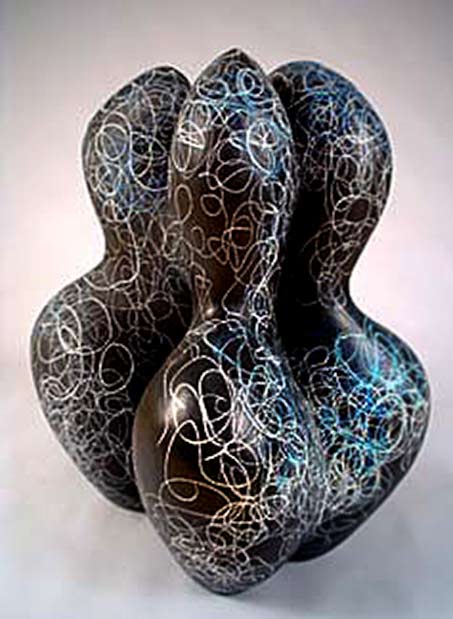
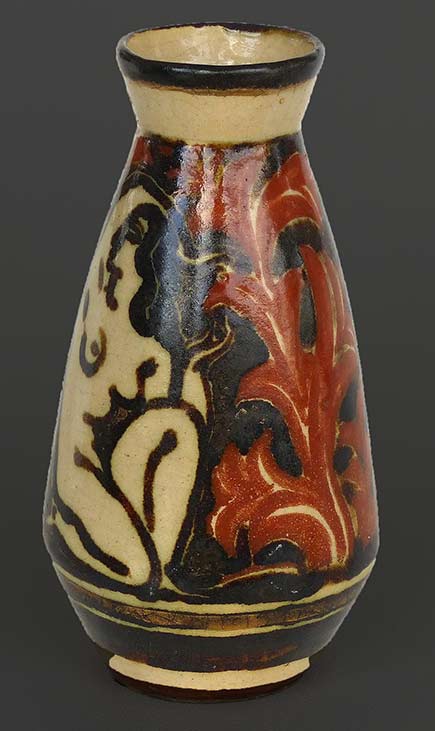
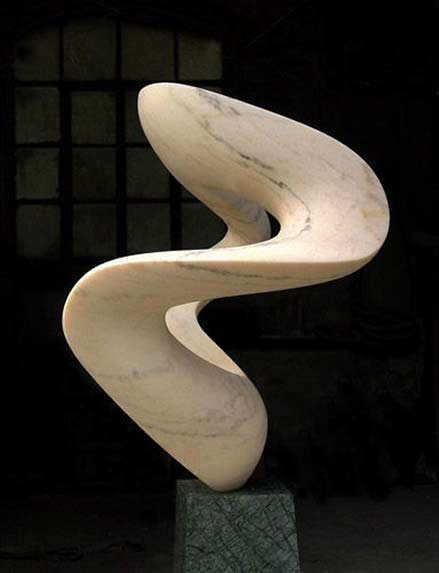
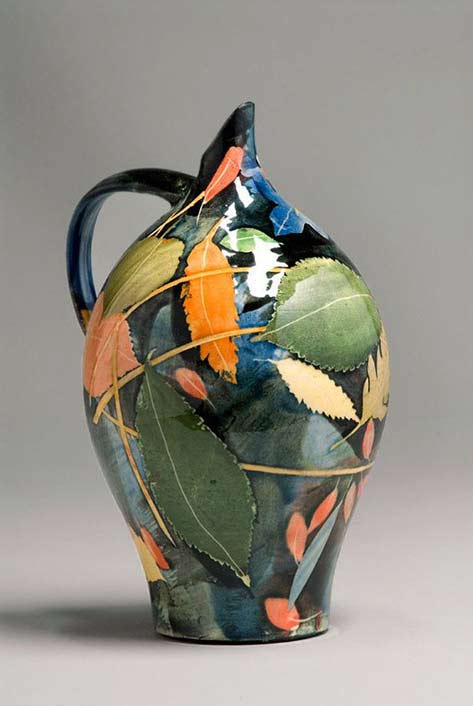
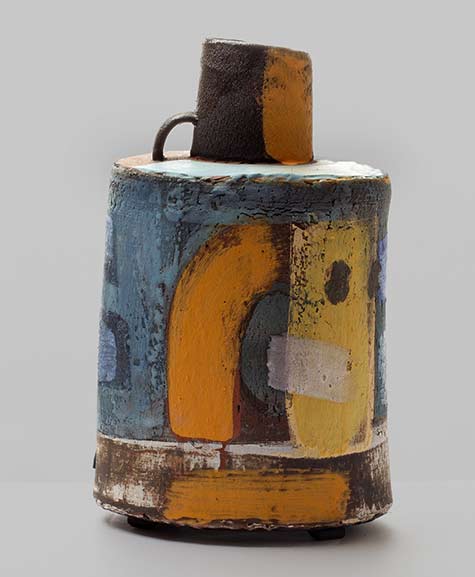
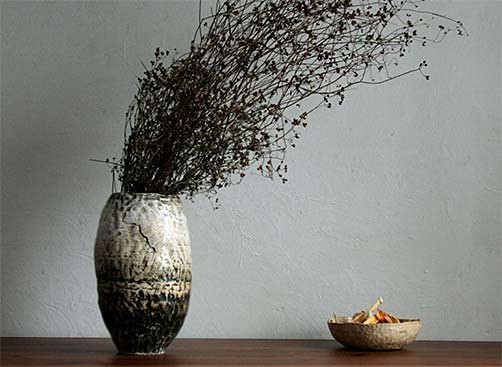
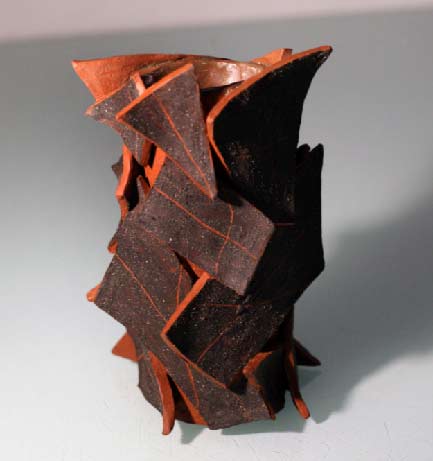
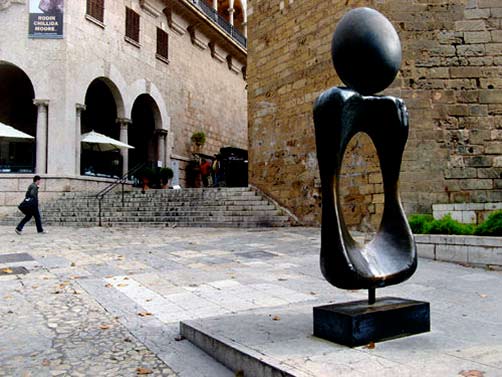
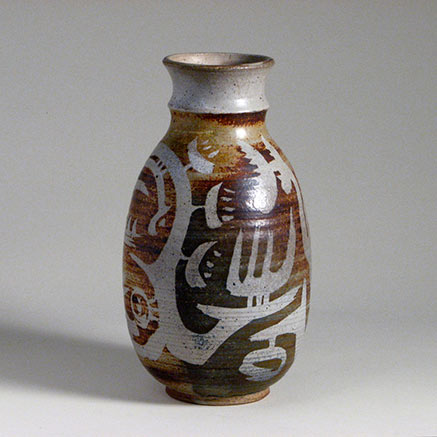
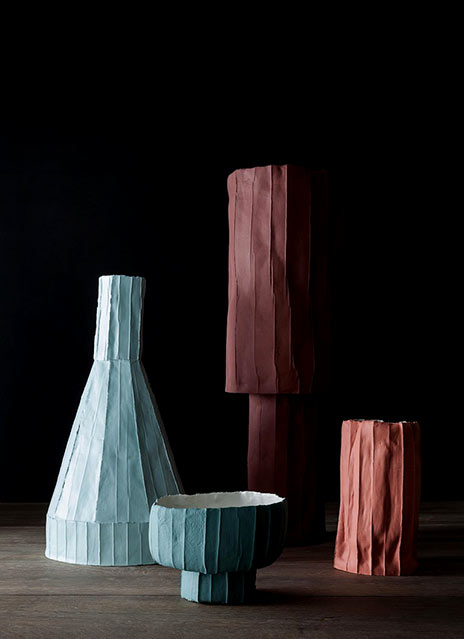
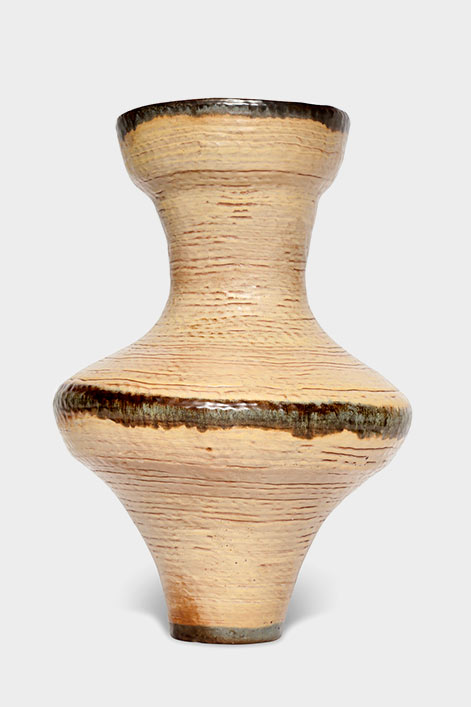
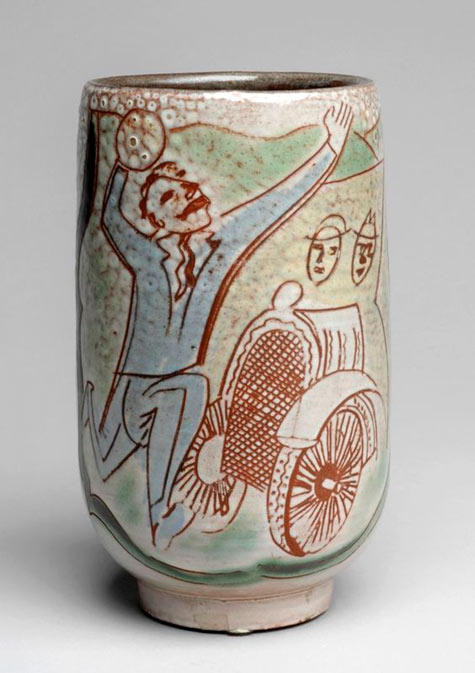
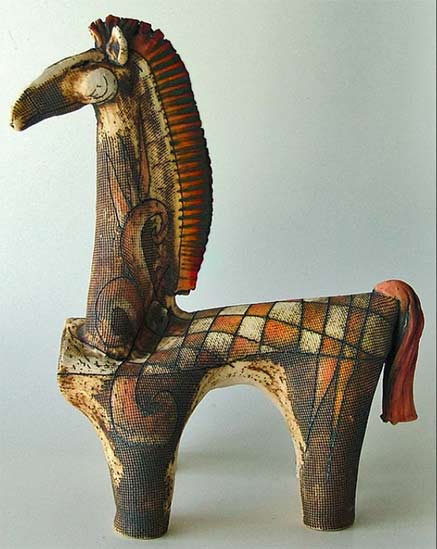
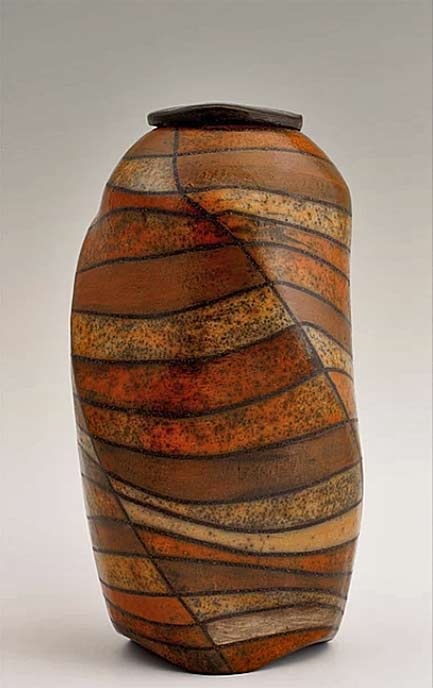
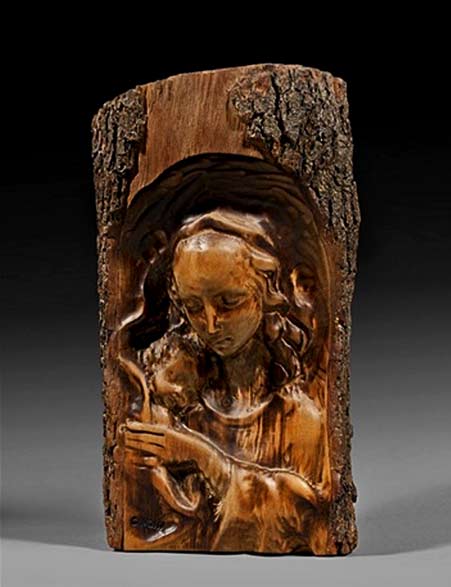
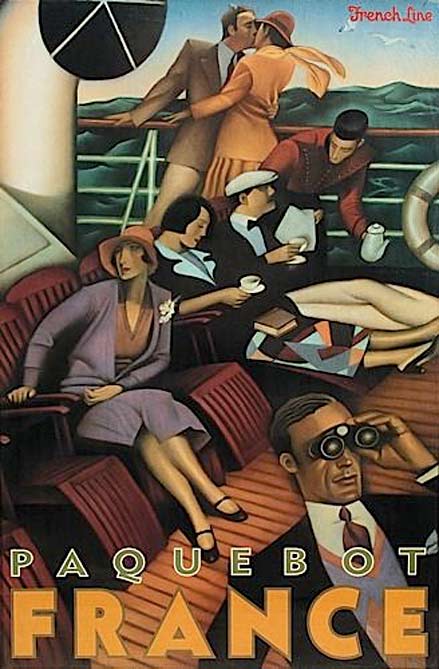
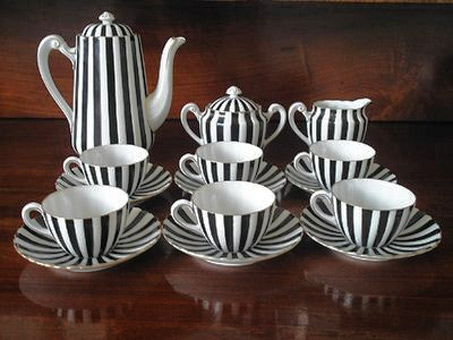
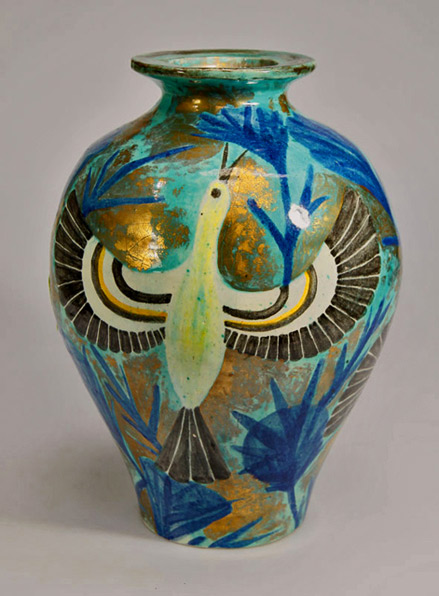
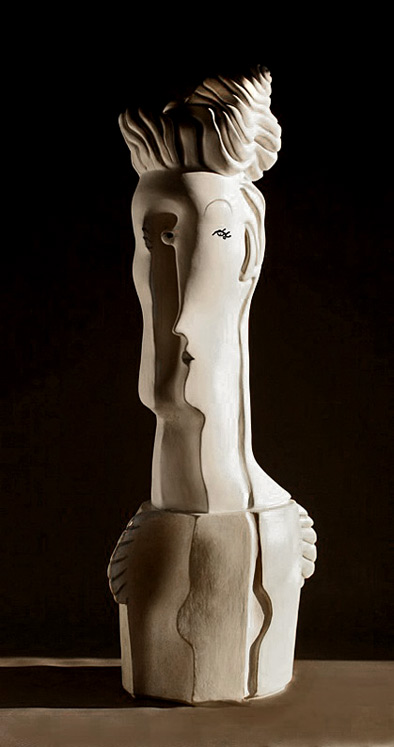
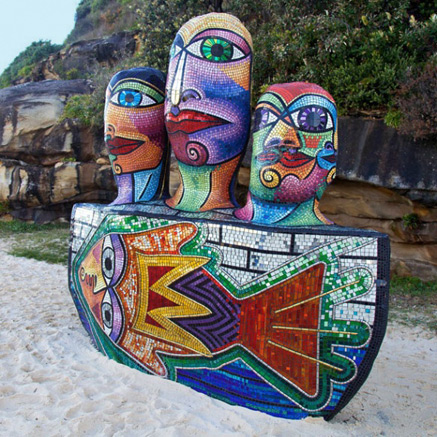
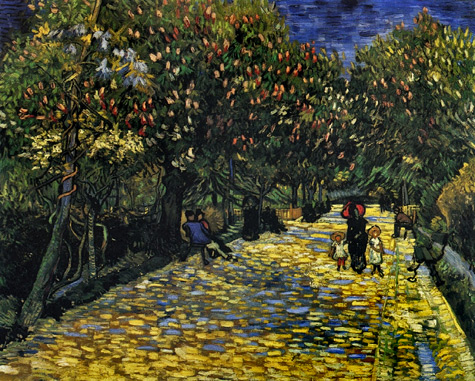
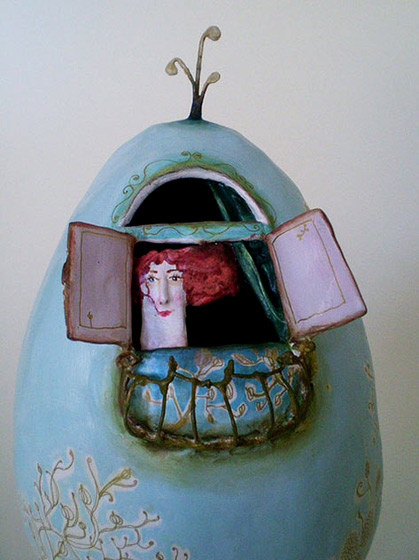
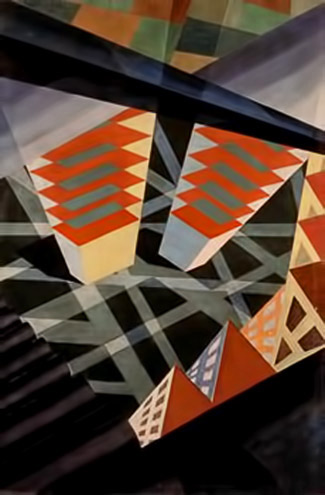
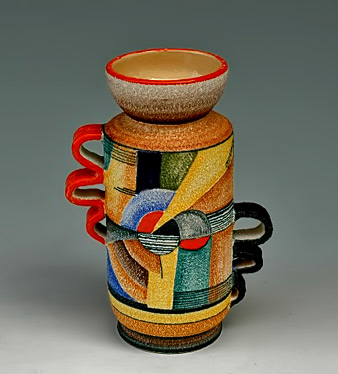
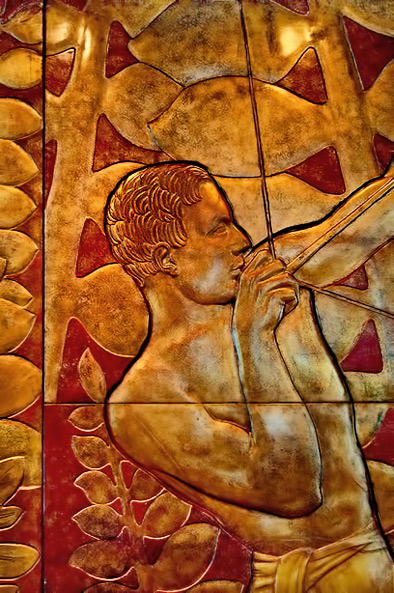
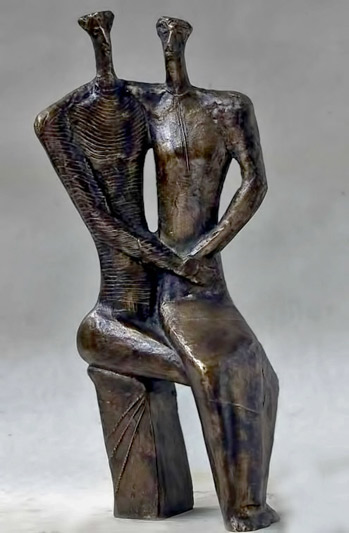
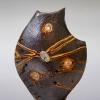
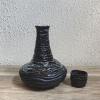
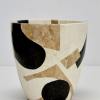
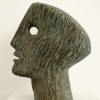
Spatial illusions of Richard Tarone and Jacques Massard
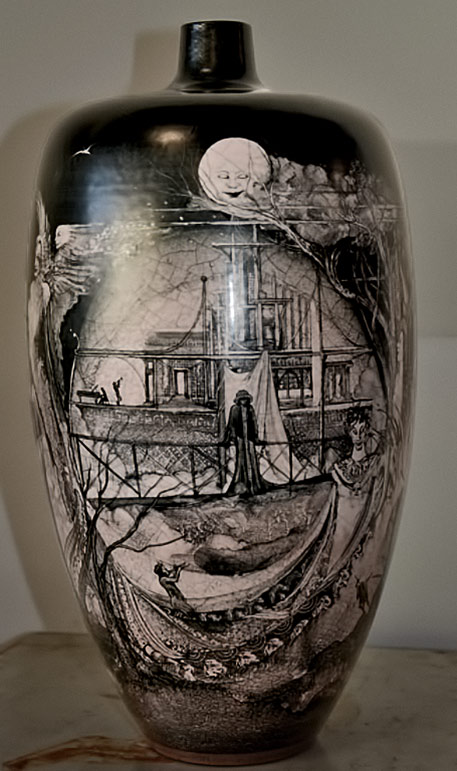
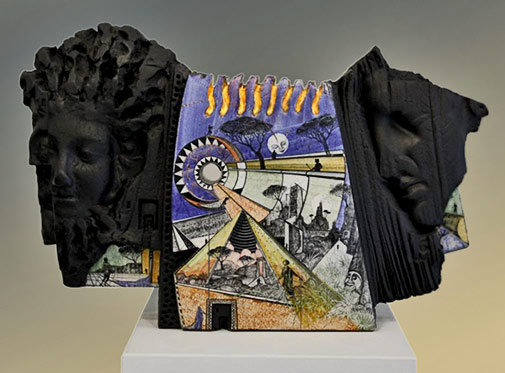
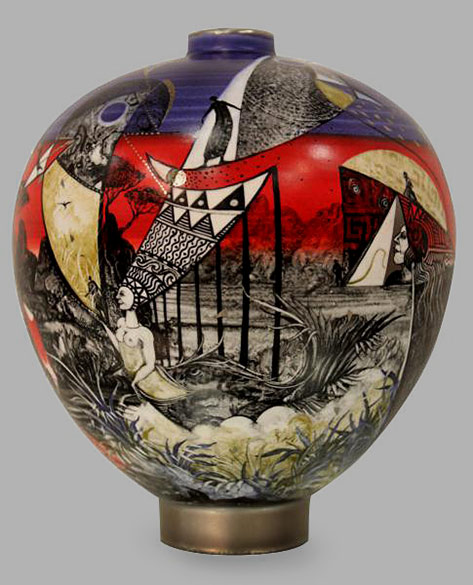
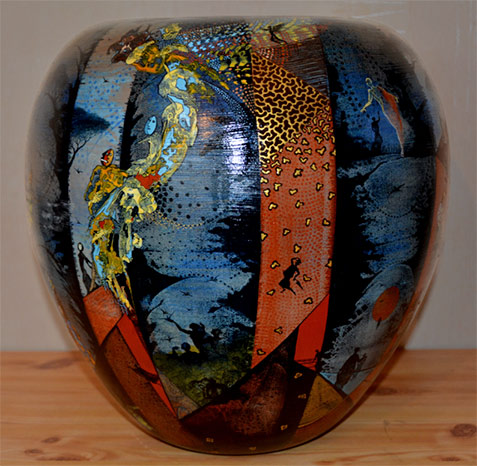
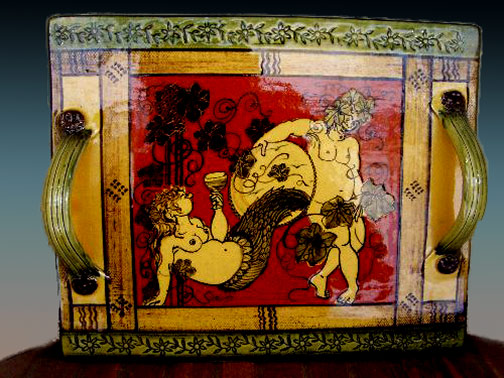
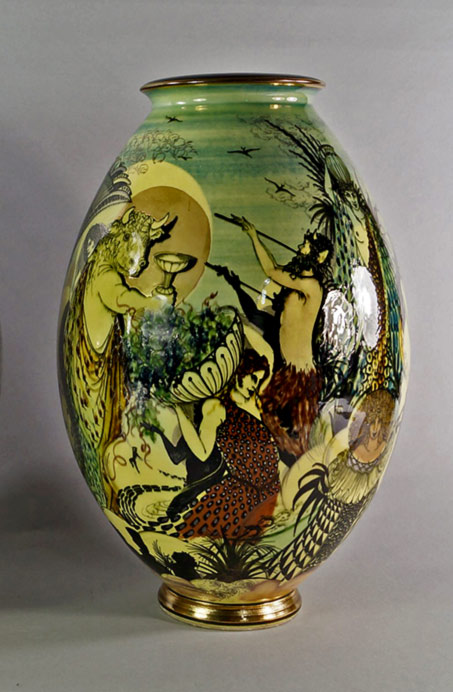
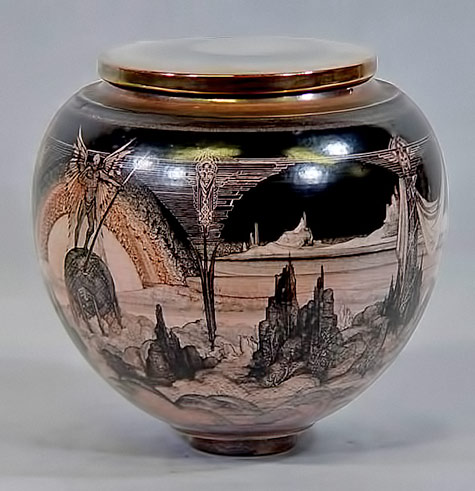
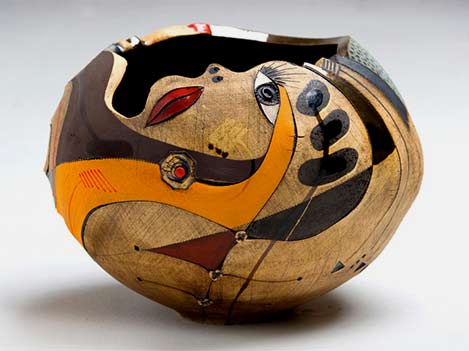
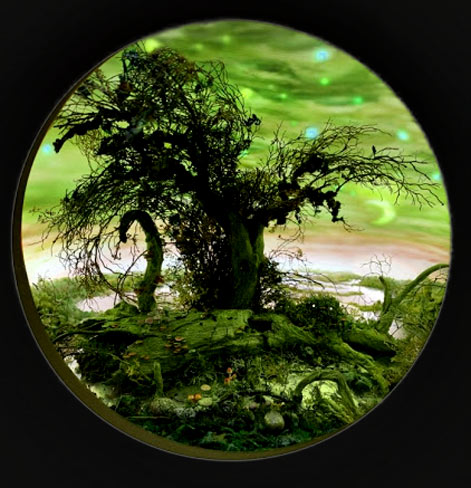
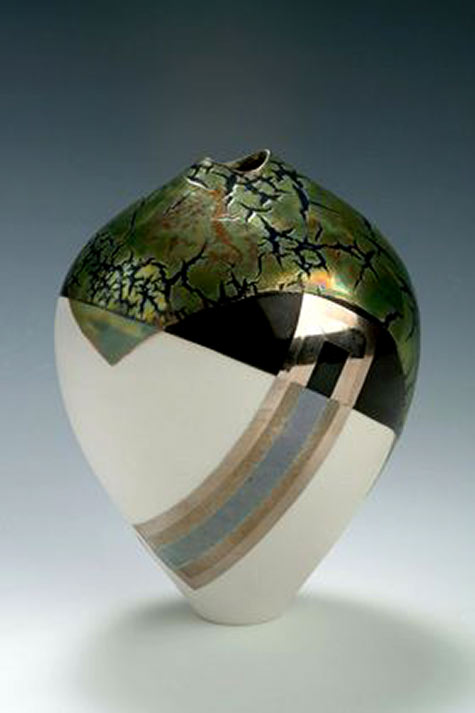
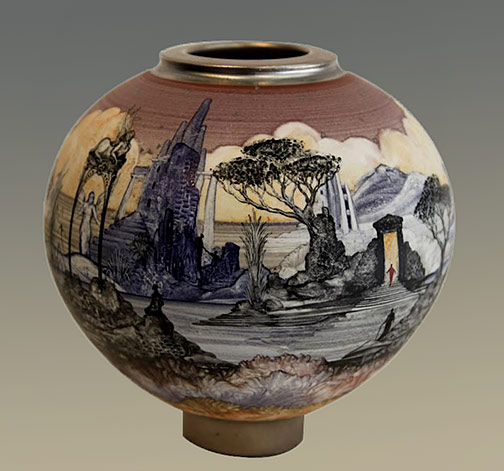
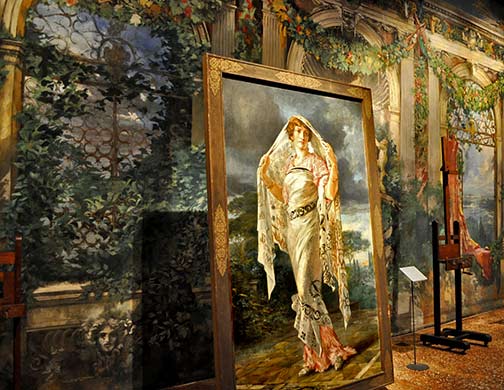
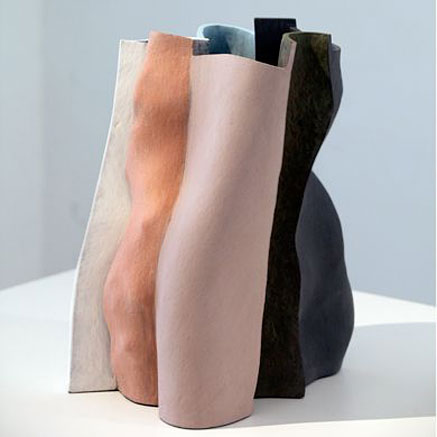
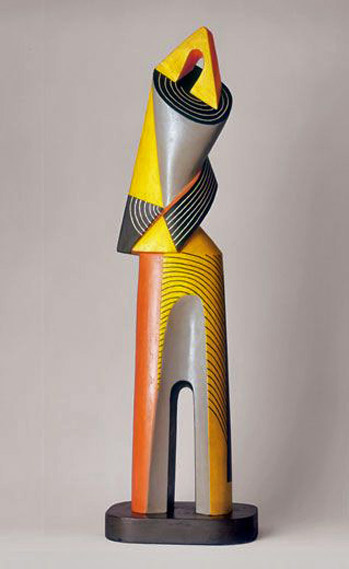
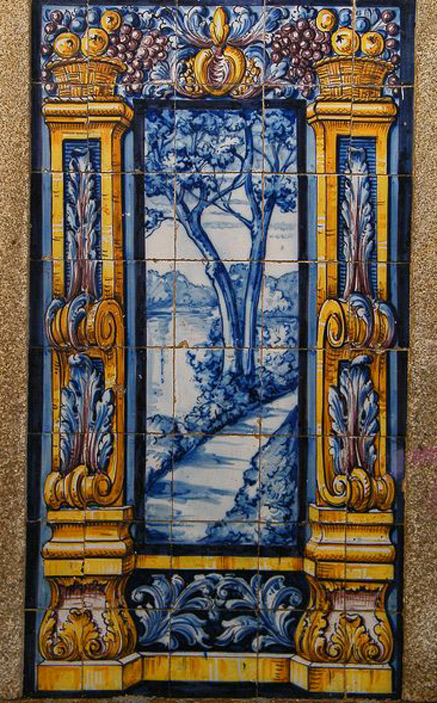
Sculptural forms respond to the illusion of lines, form and colours while perception can be manipulated to shift the different aspects of visual reality. Quadratura, introduced in the seventeenth century Renassaince, became popular with Baroque and Rocooc artists, where it involved the openeing up of walls and ceilings through architectural illusion. By using Trompe l’oeil, perspective tools such as foreshortening, and spatial effects, the appearance of three-dimensional space on an otherwise two-dimensional surface was created. The artist painted a feigned architecture with an illusionist perspective on a flat surface or barrel-vaulted ceiling in such a way that it seems to continue the existing architecture or flow into an open space.
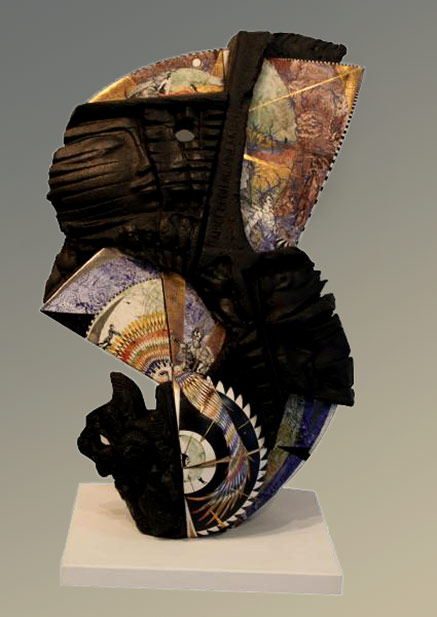
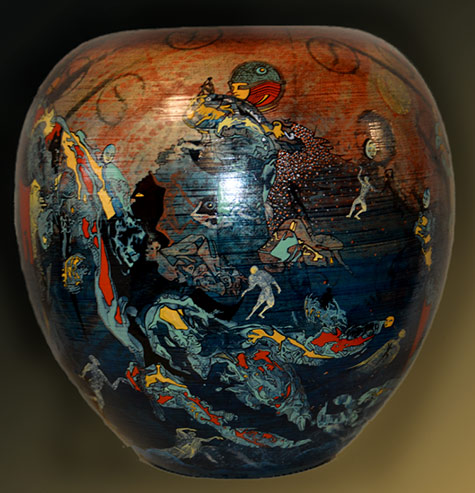
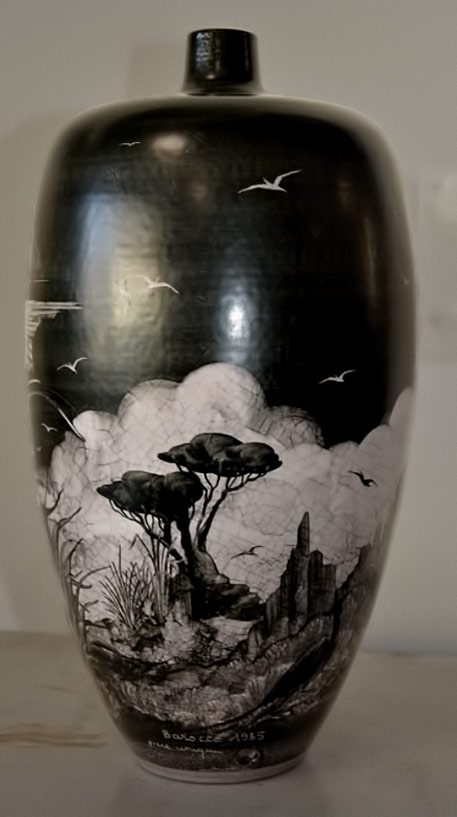
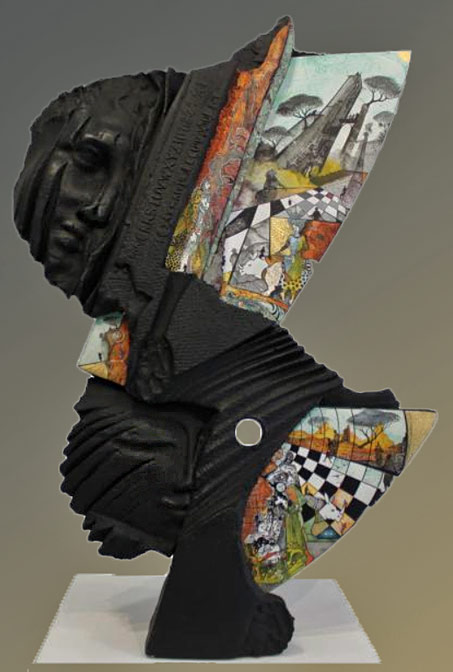
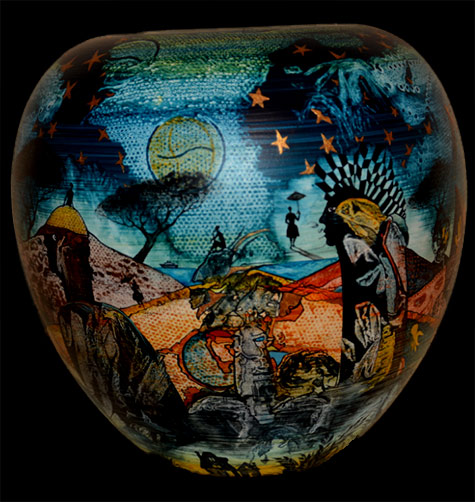
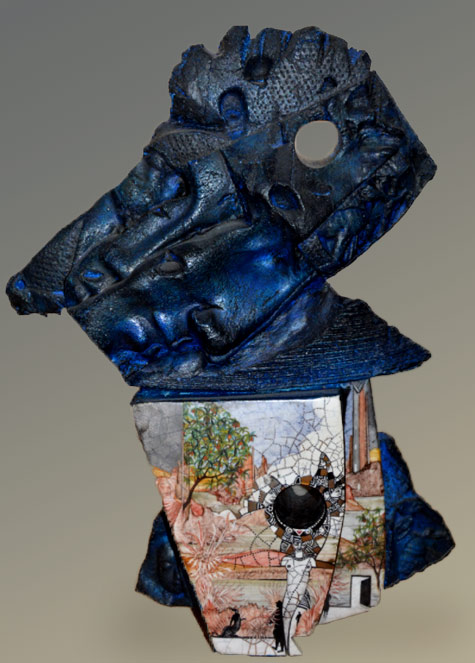
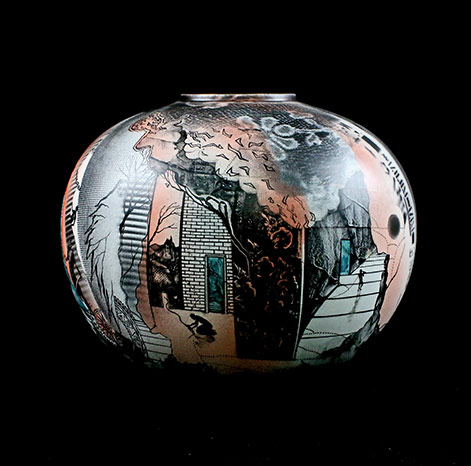
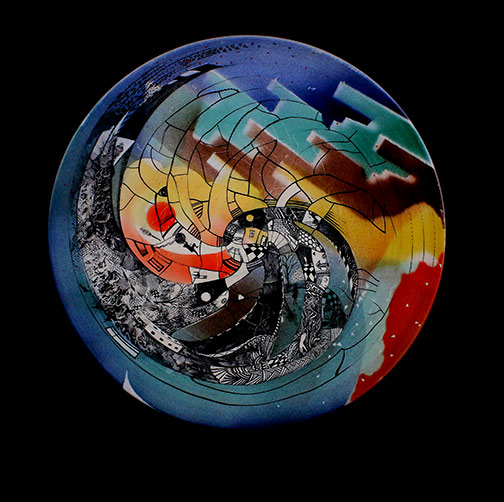
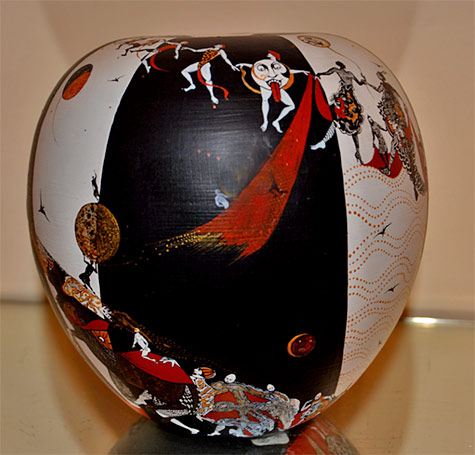
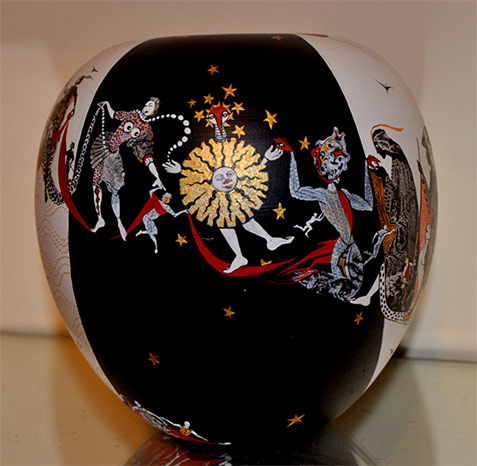
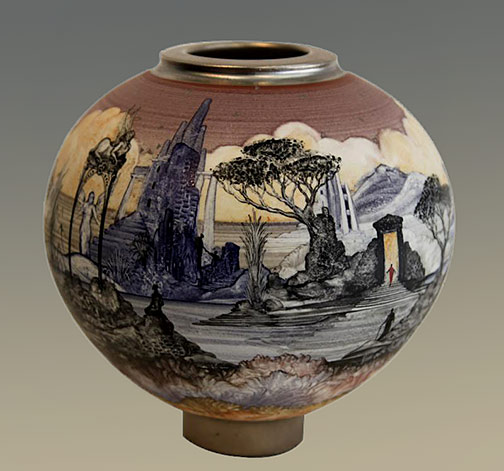
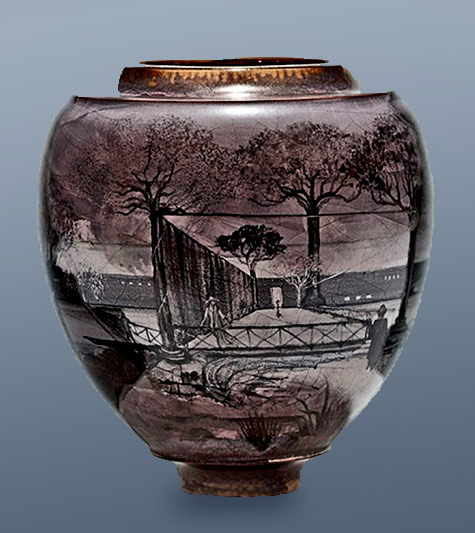
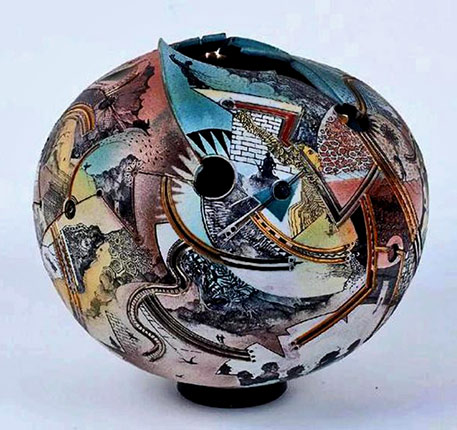
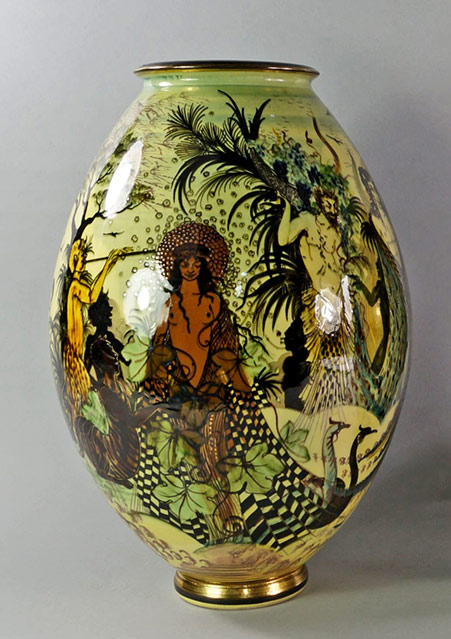
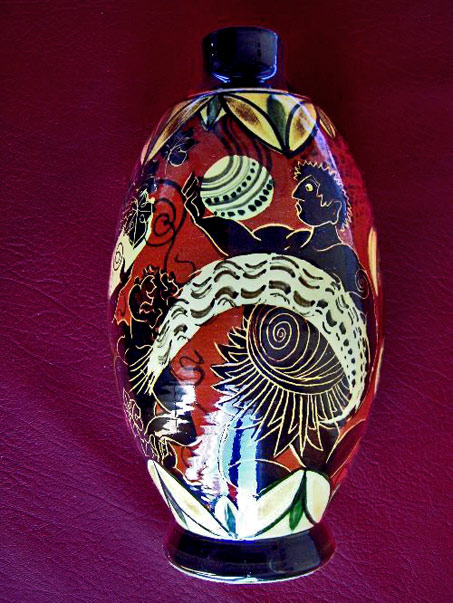
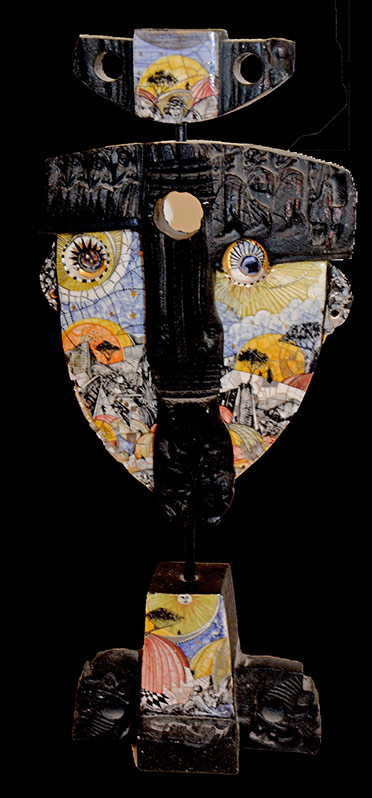
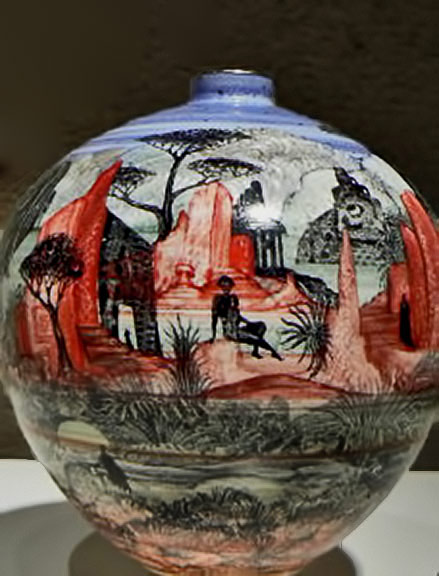
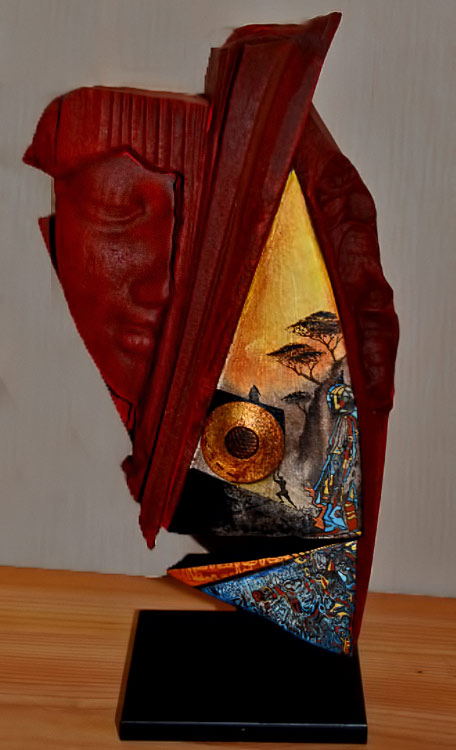
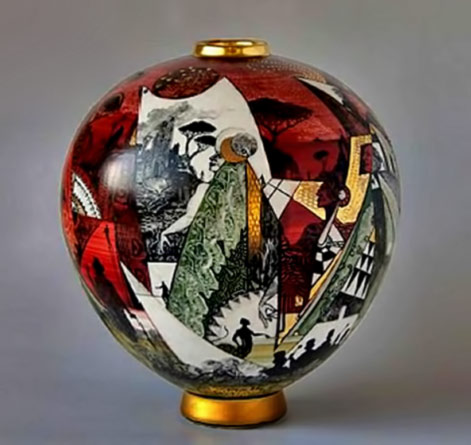
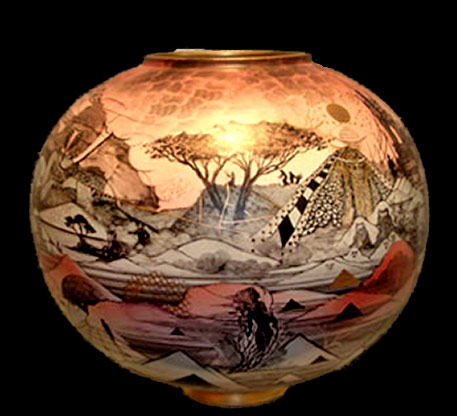
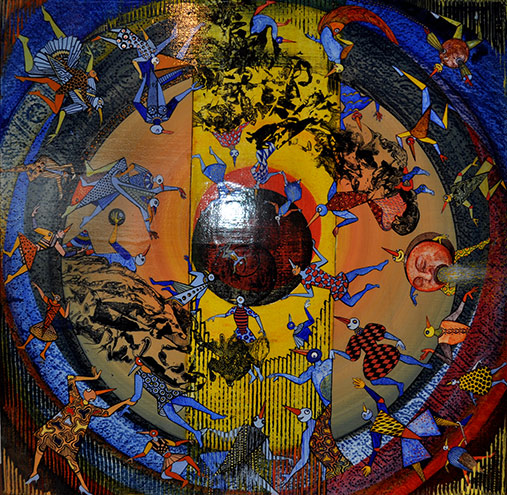
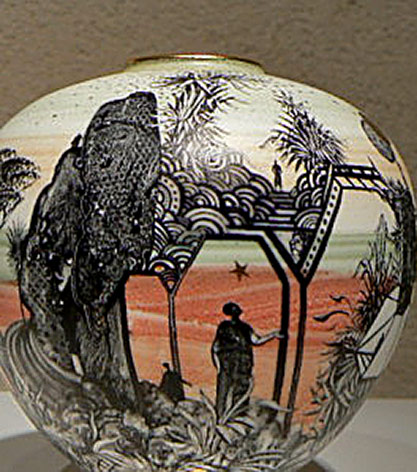
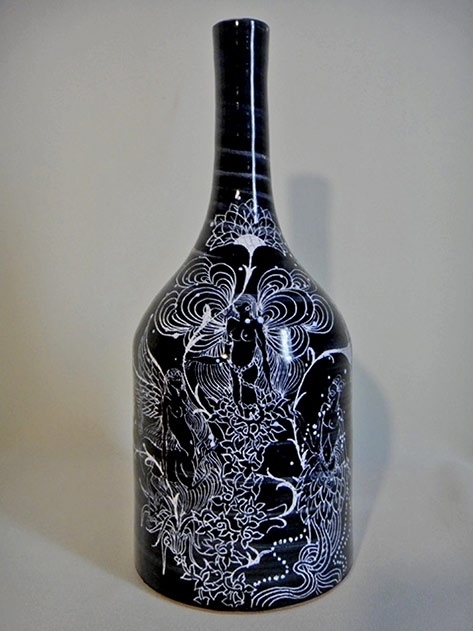
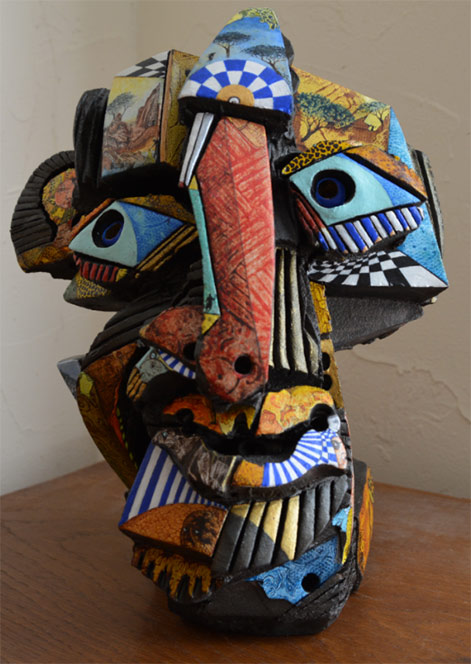
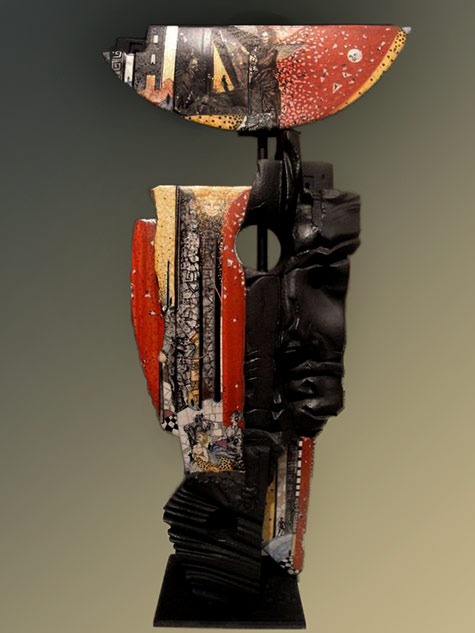
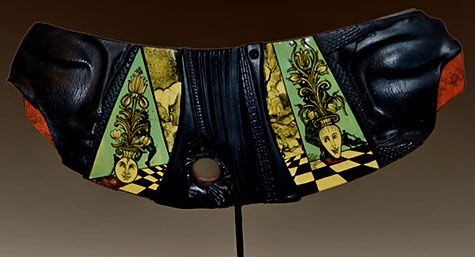
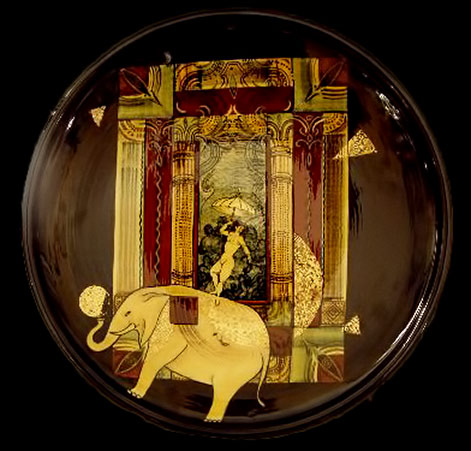
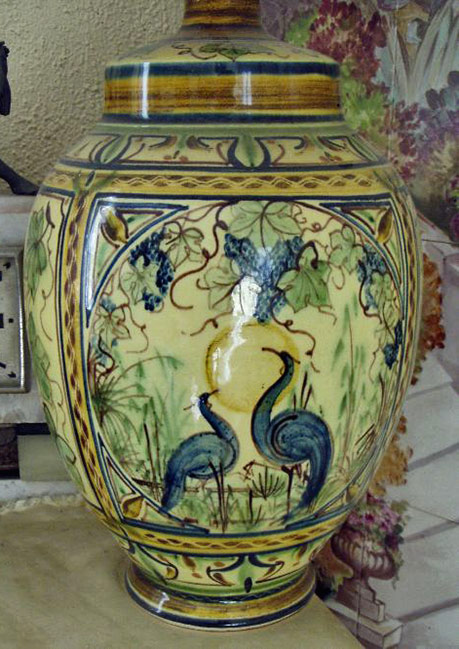
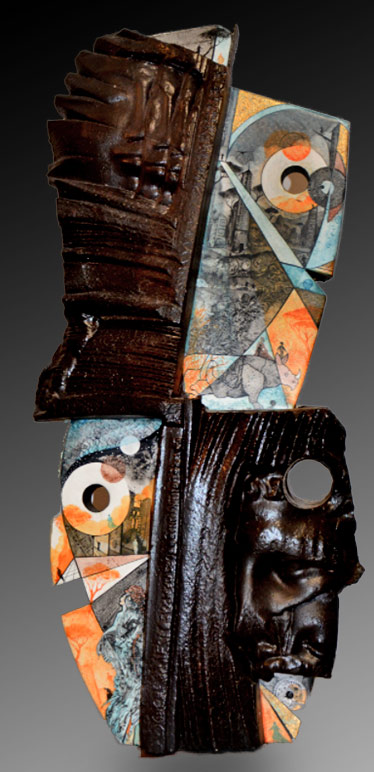
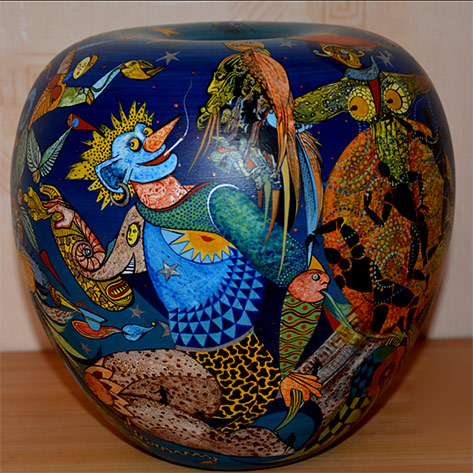
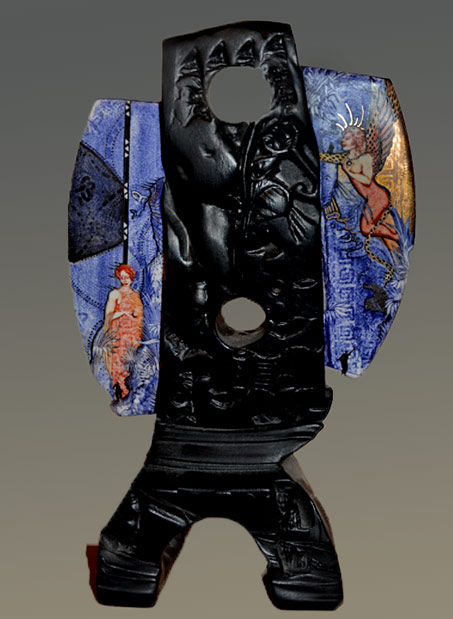
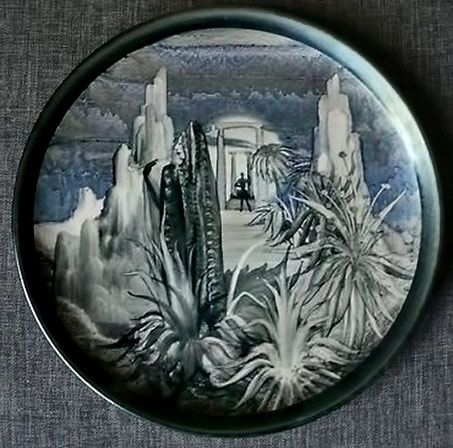
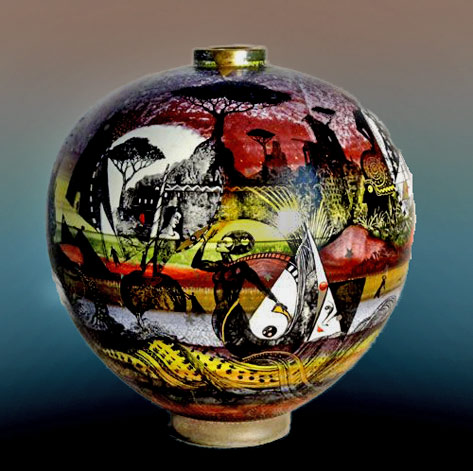
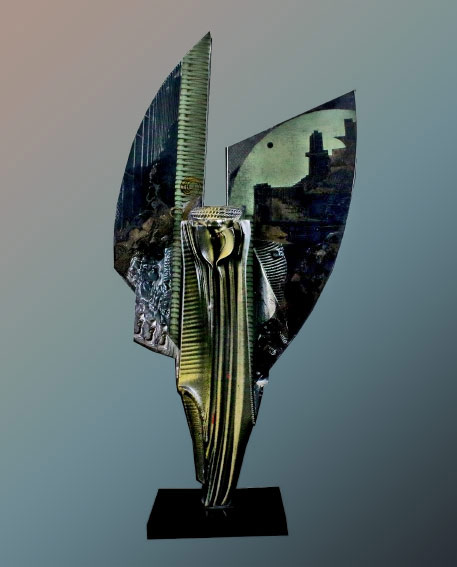
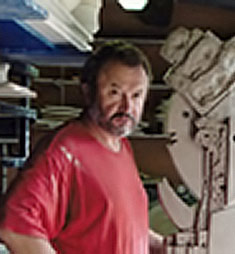
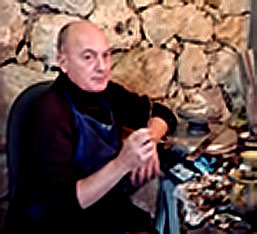
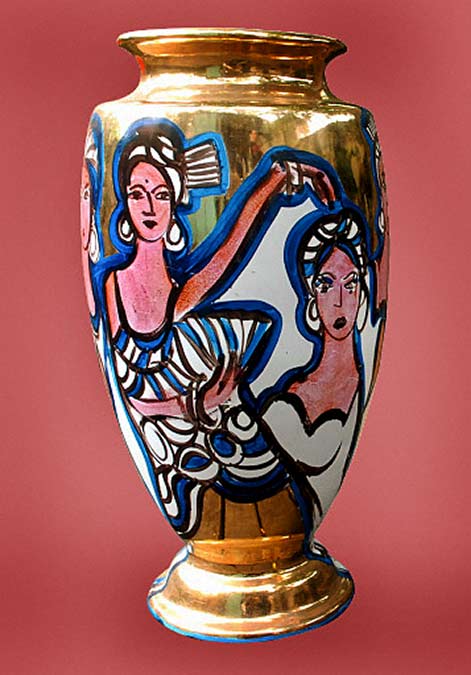
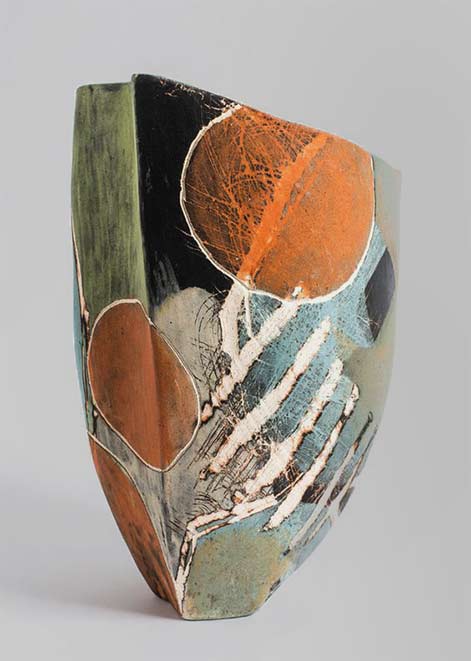
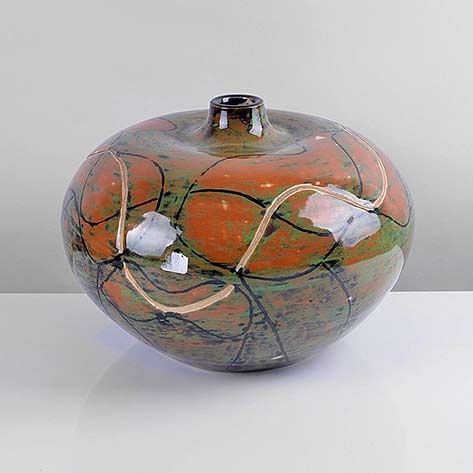
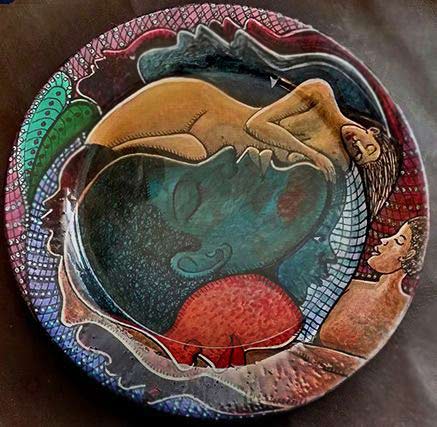
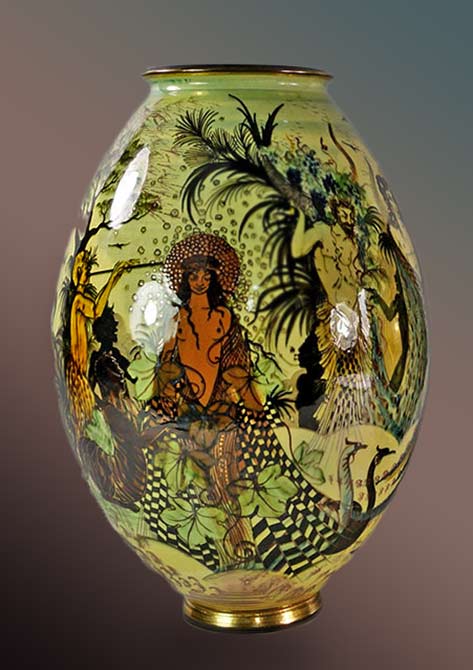
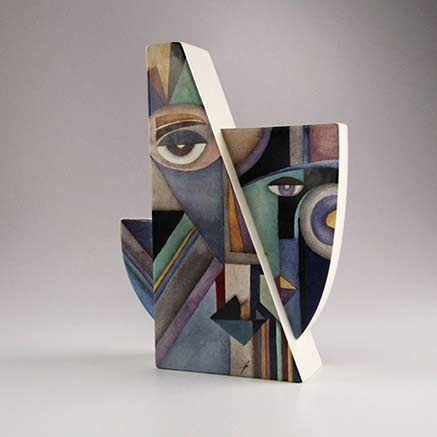
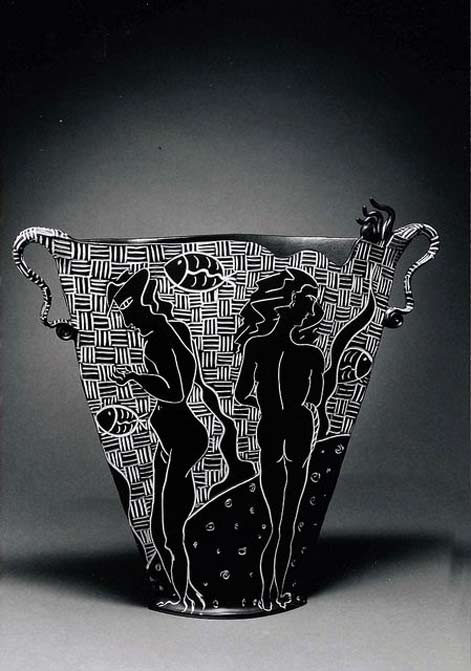
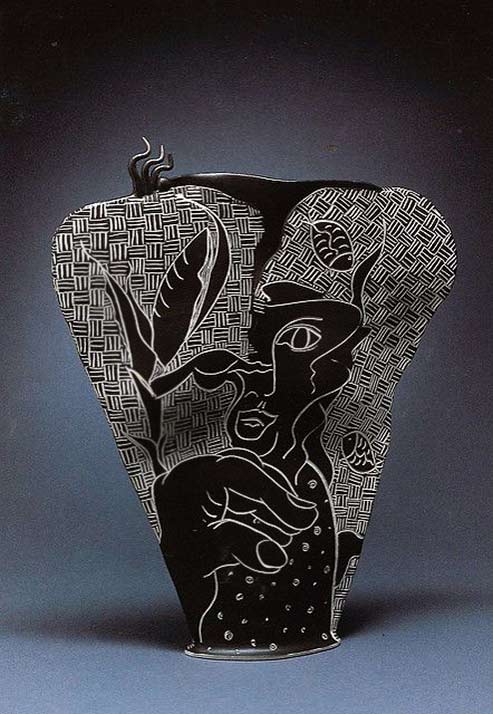
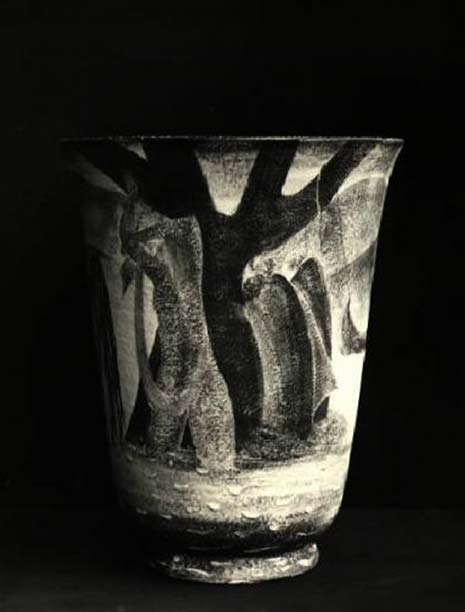
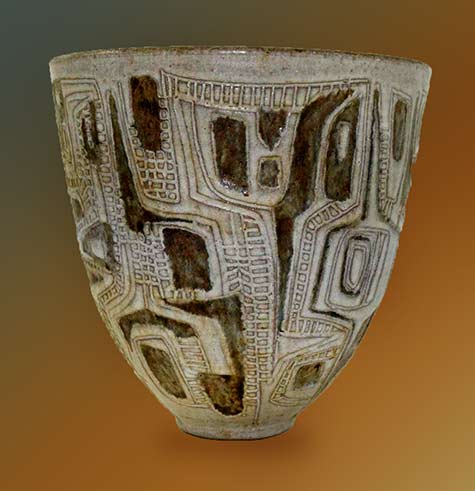
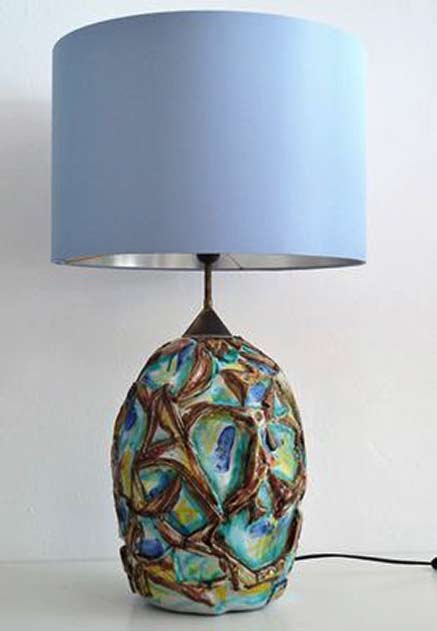
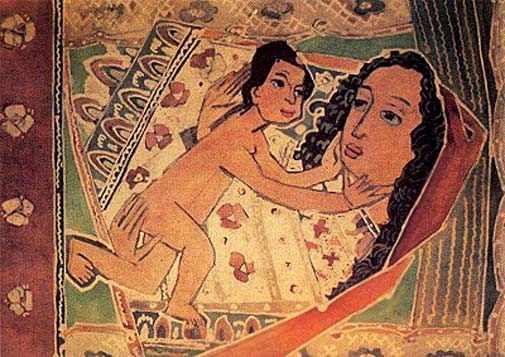
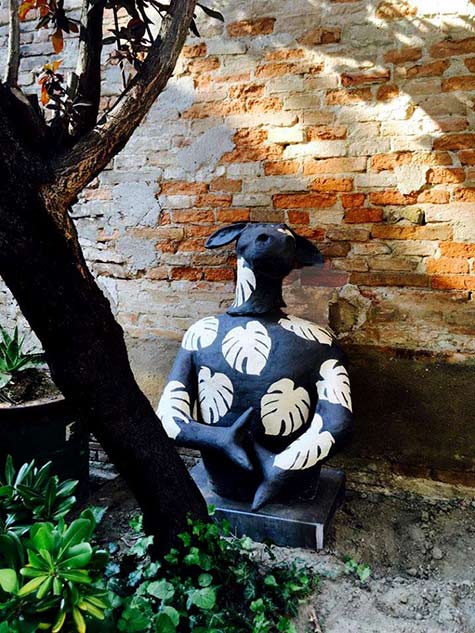
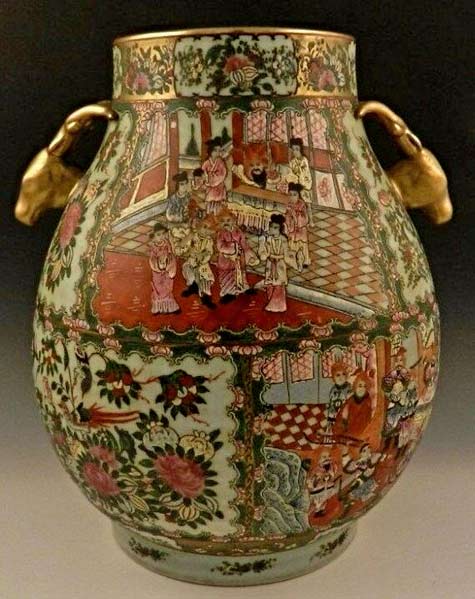
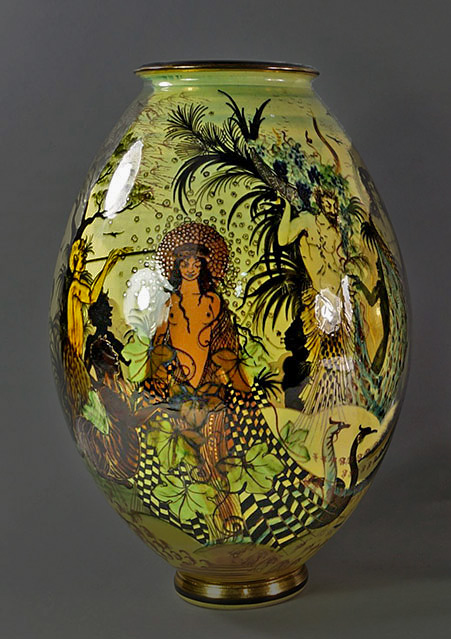
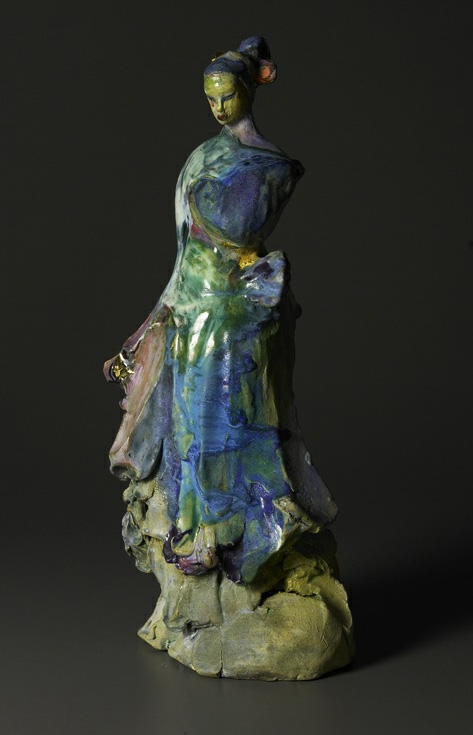
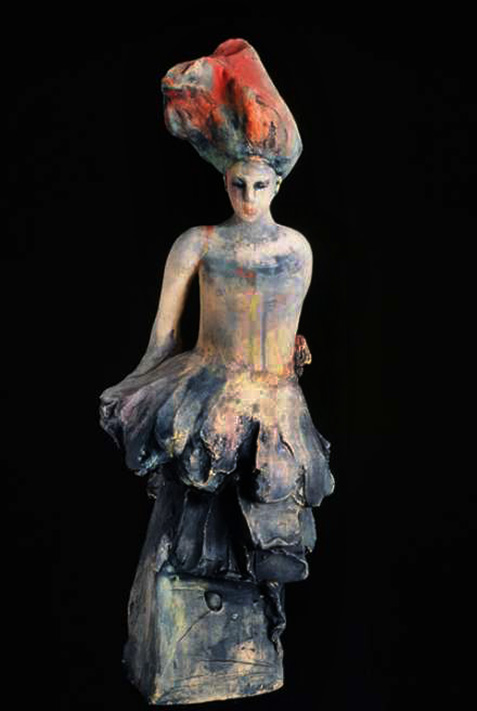
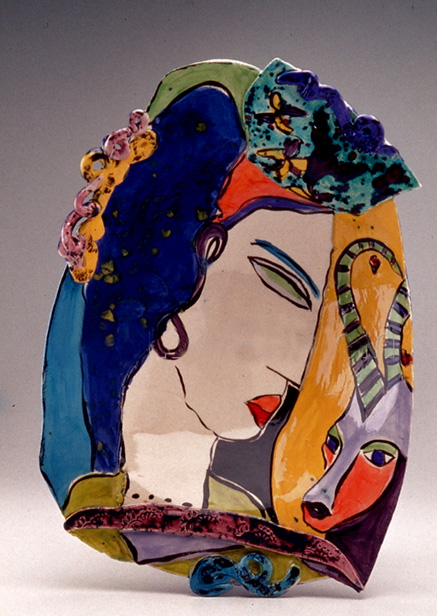
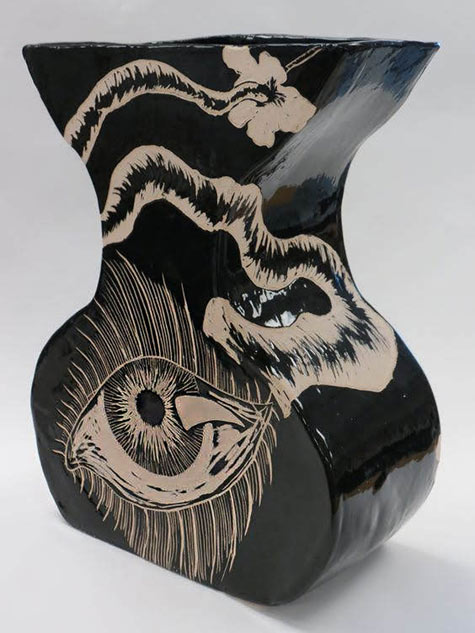
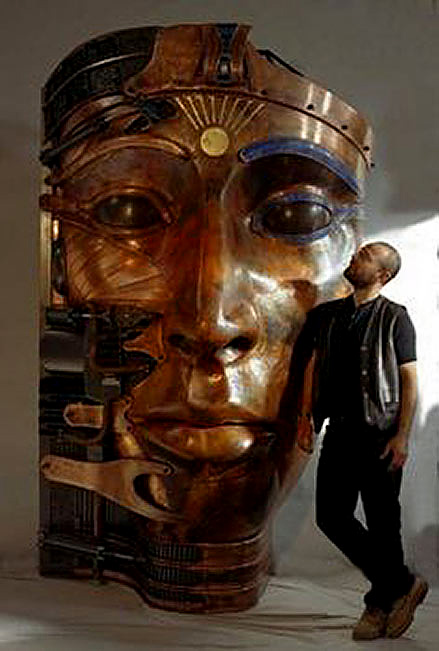
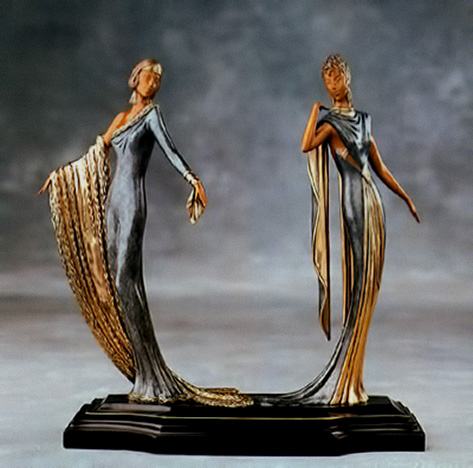
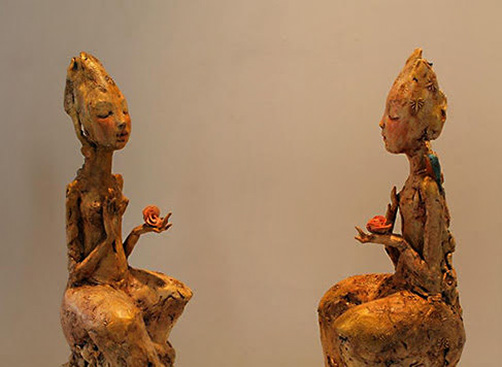
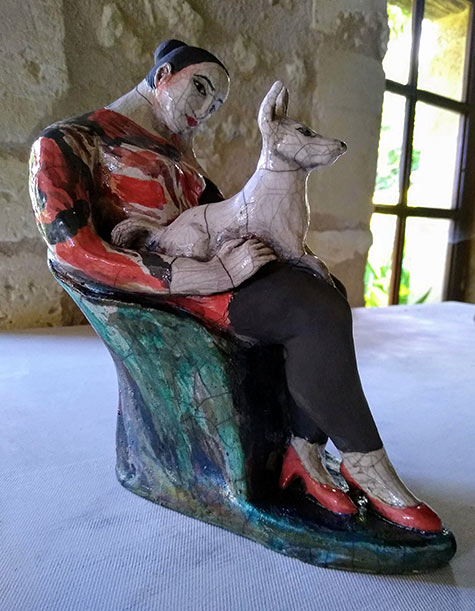
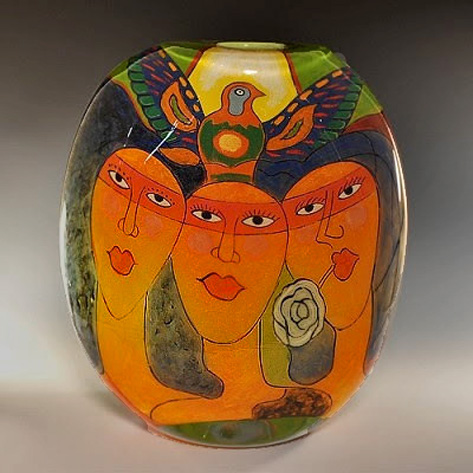
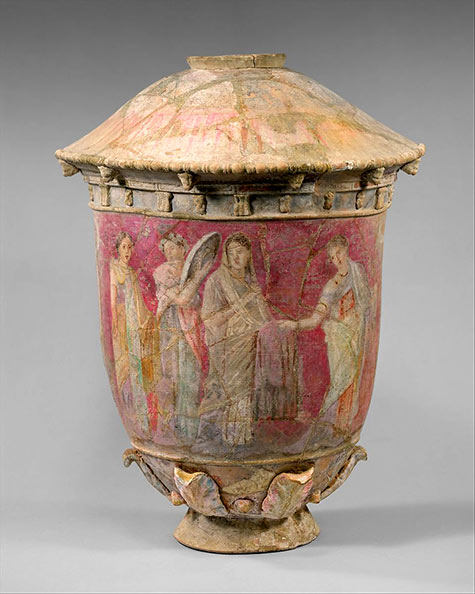
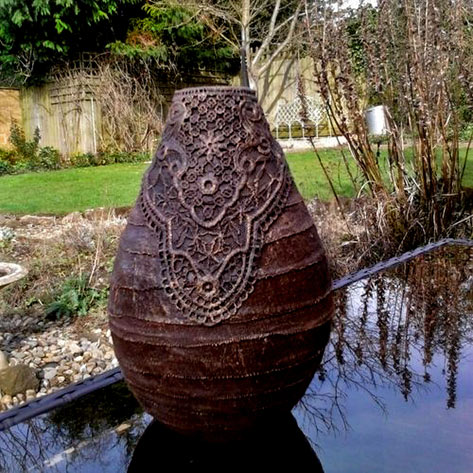
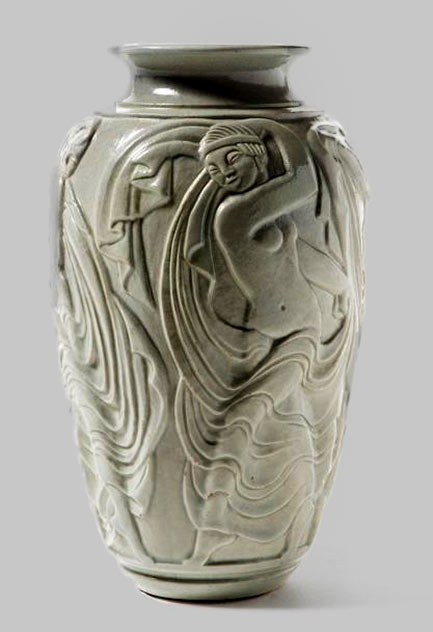
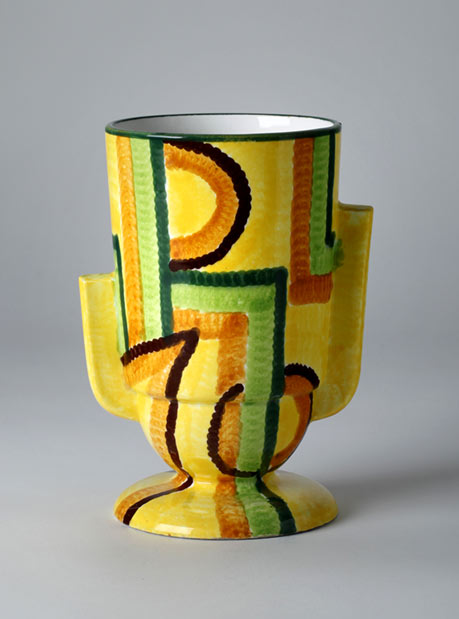
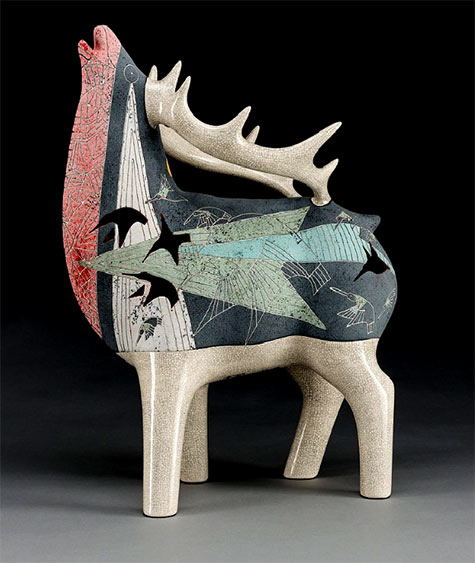
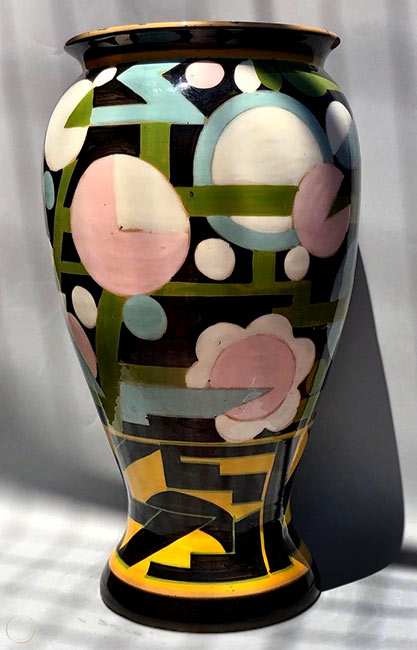
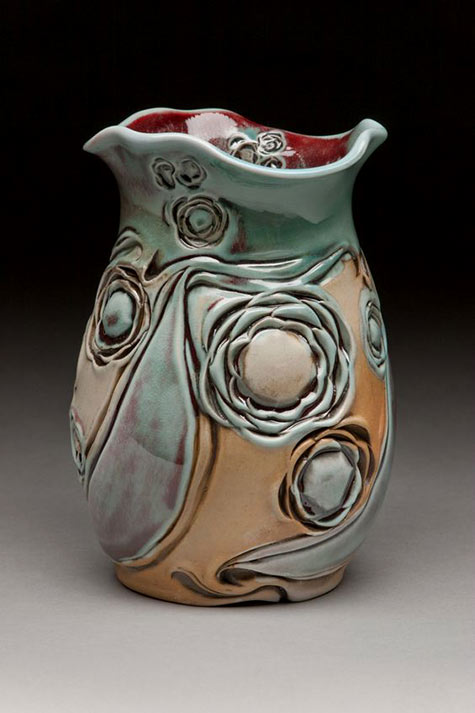
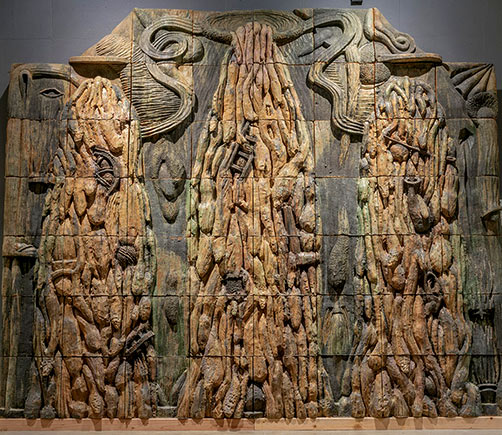
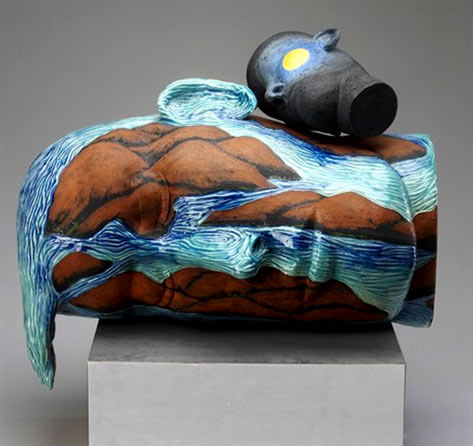
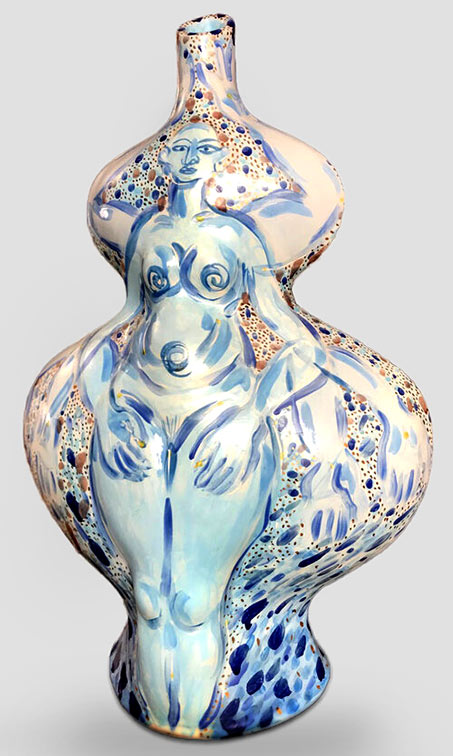
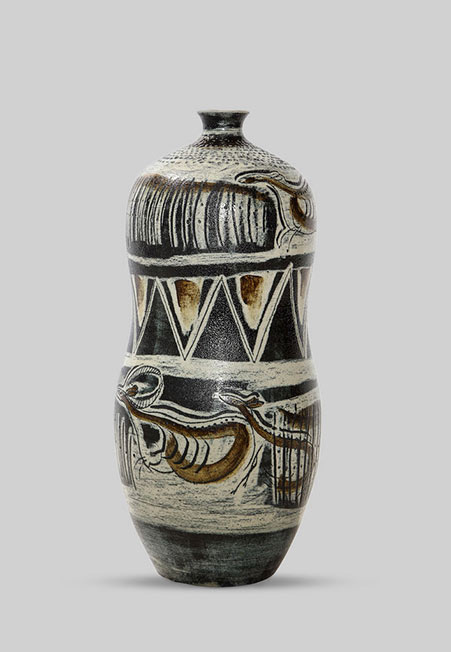
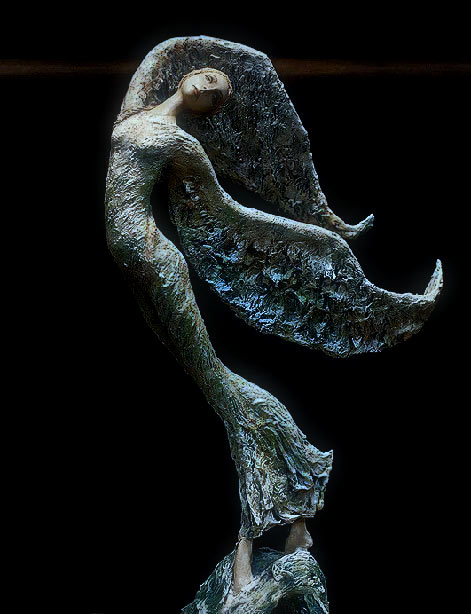
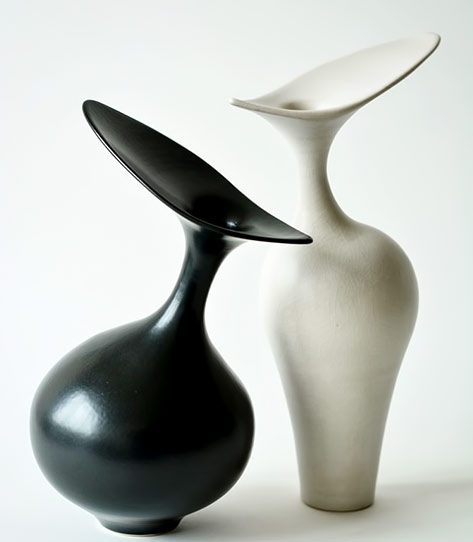
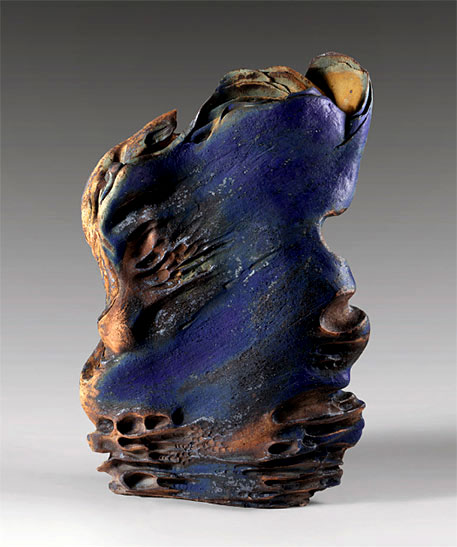
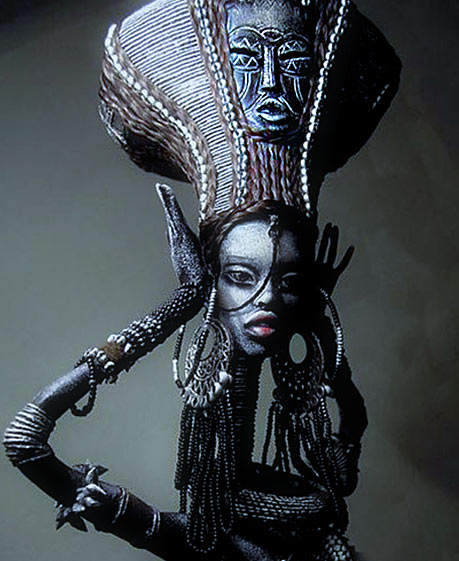
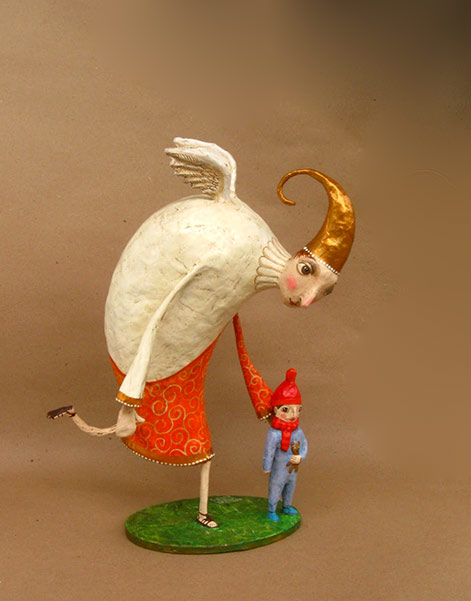
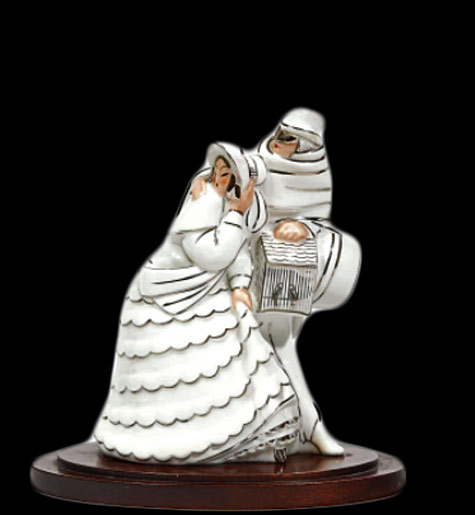
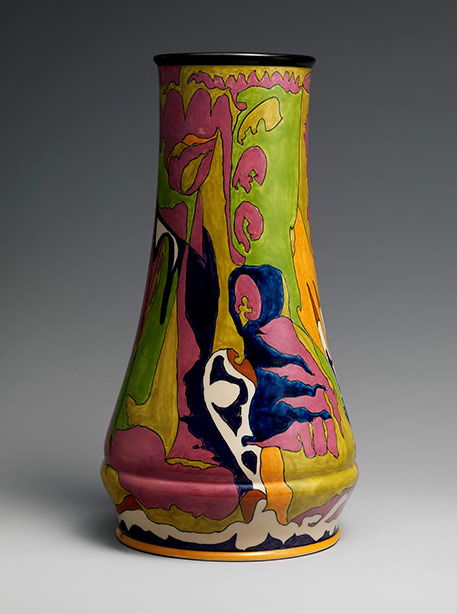
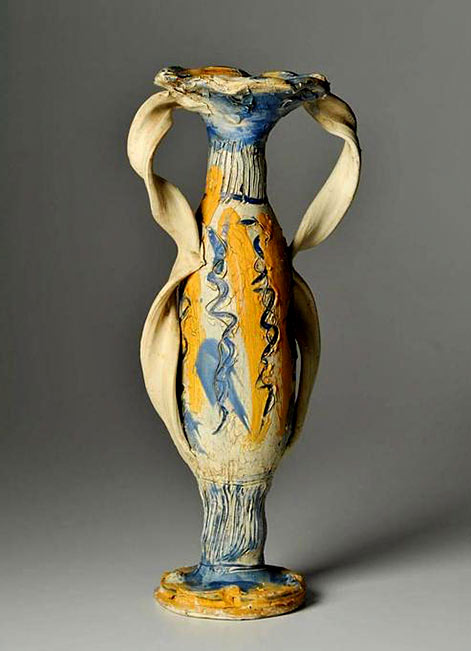
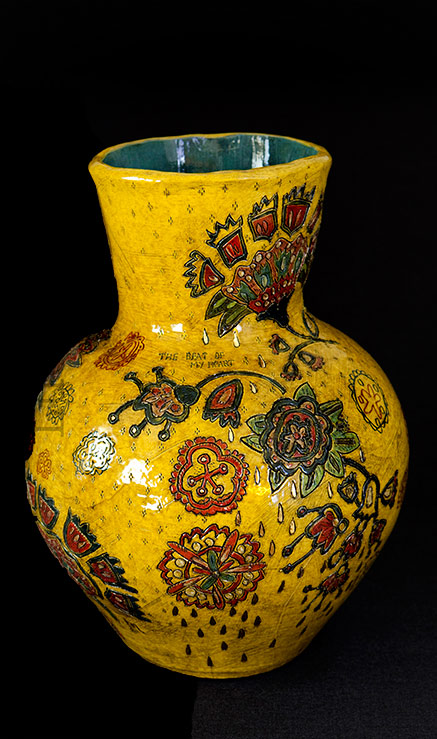
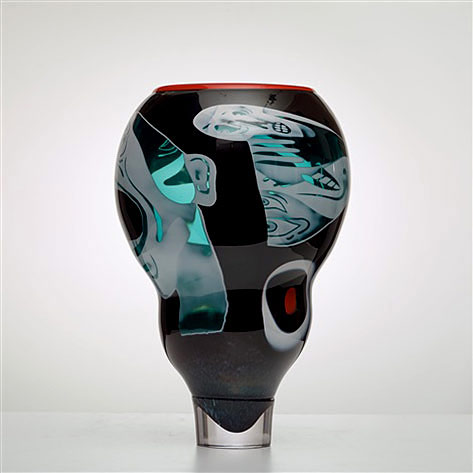
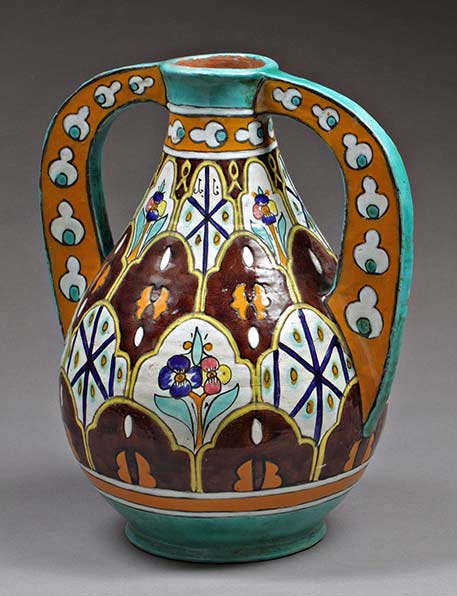
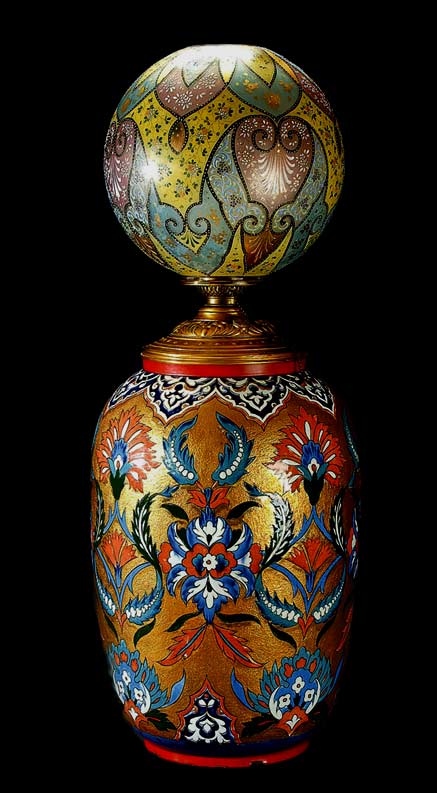
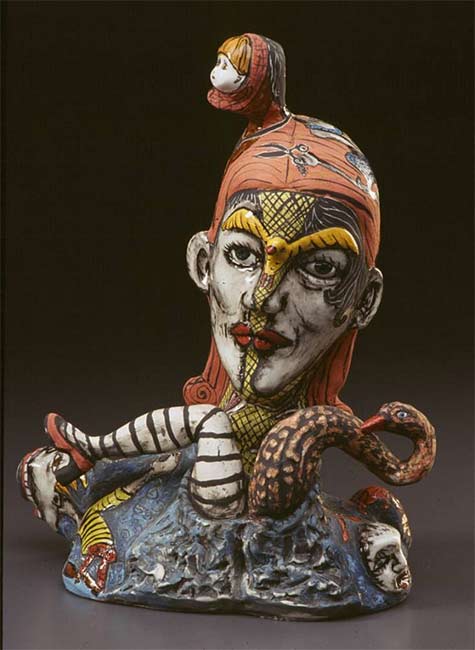
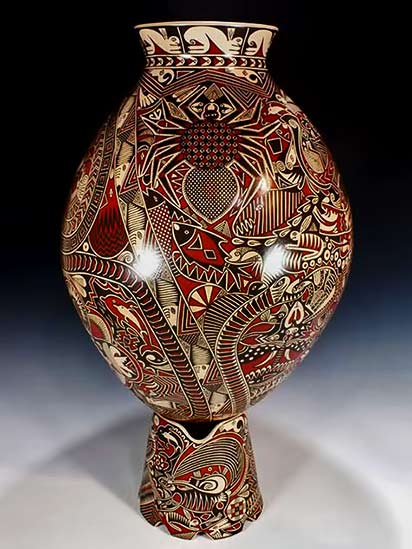
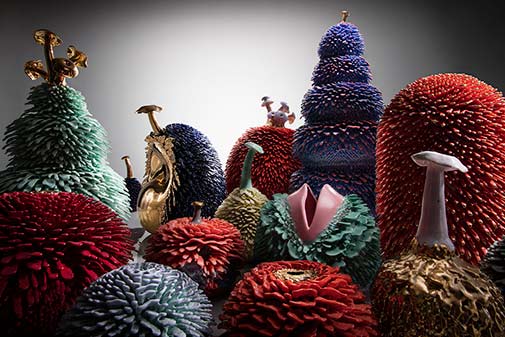
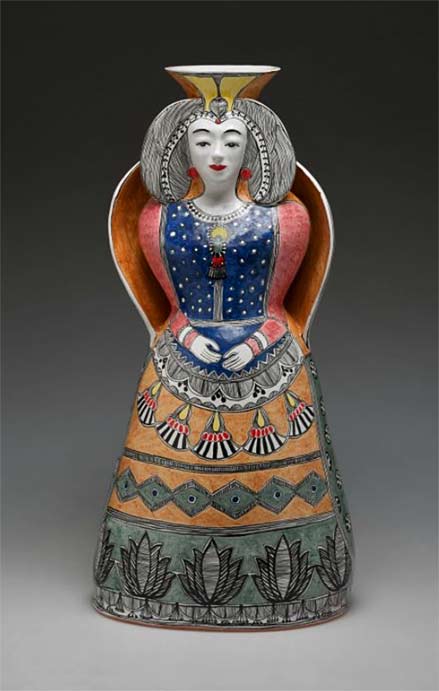
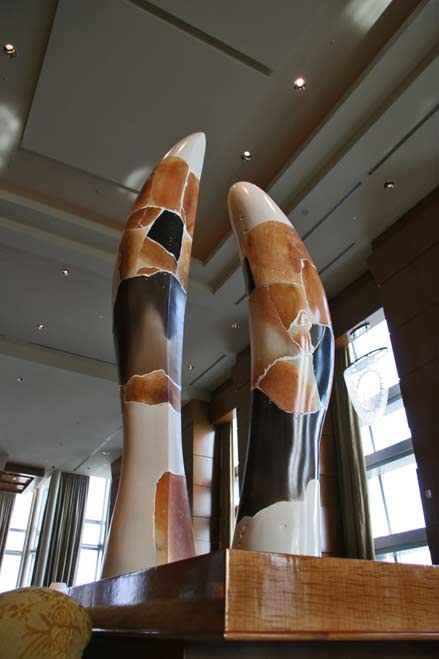
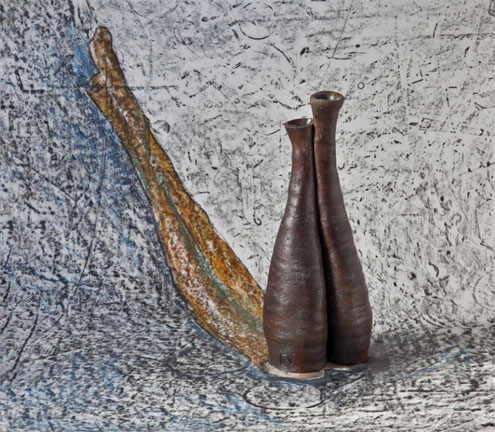
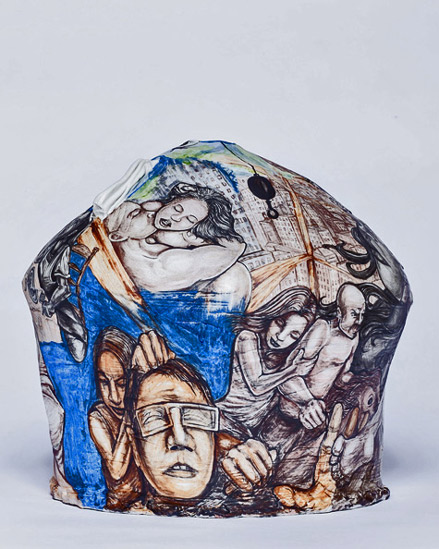
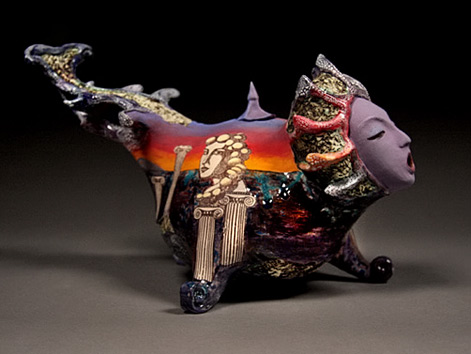
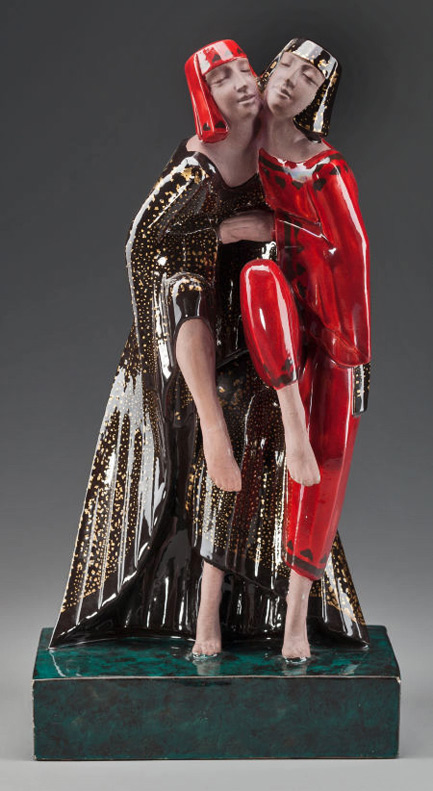
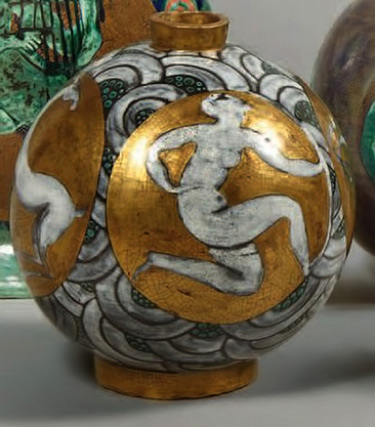
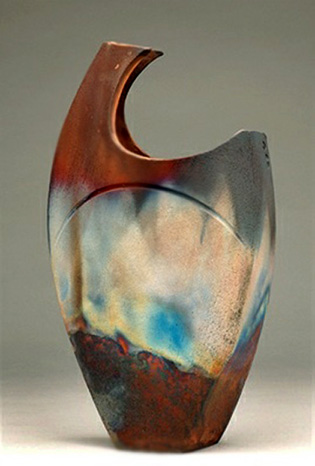
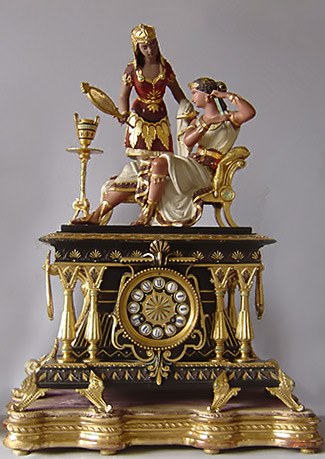
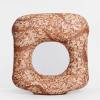
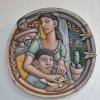
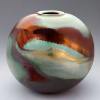
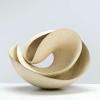
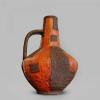
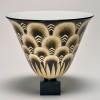
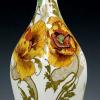
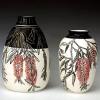
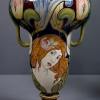
The ceramic art of Barocco pays homage to this fascintaing style, not only in name but in decorative appearance. Drama, tension, exuberance, and grandeur are condensed into a singualr form combining elements of baroque, quadratura, symbolist and surrealist art in fine detail. Atelier Barocco involves the combined effort of Jacques Massard de Chateneuil and Richard Tarone in an impressive symbiosis of refinement and style.
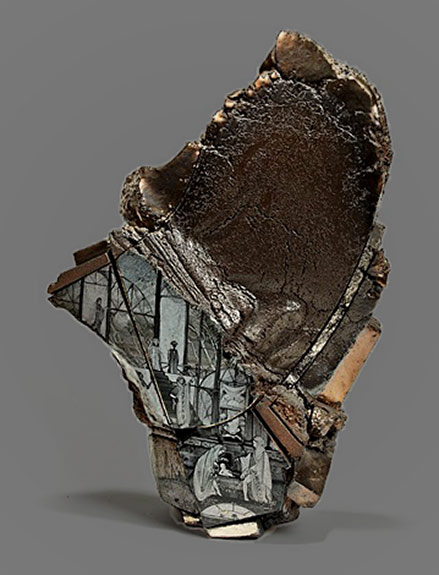
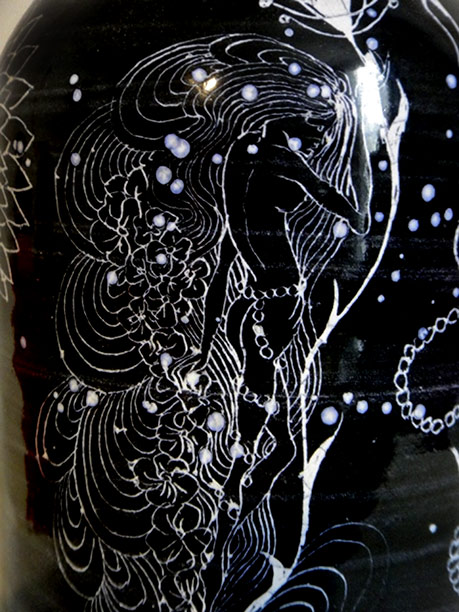
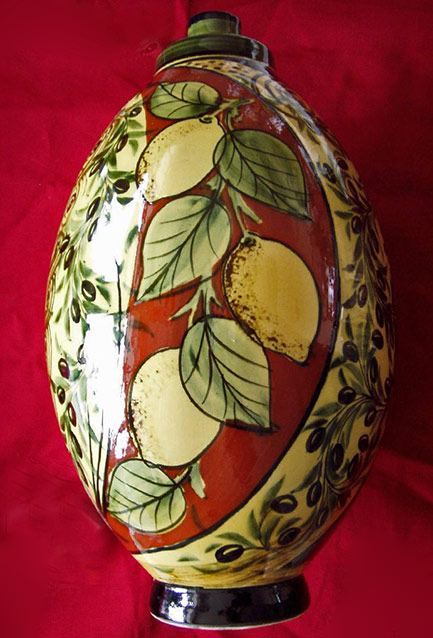
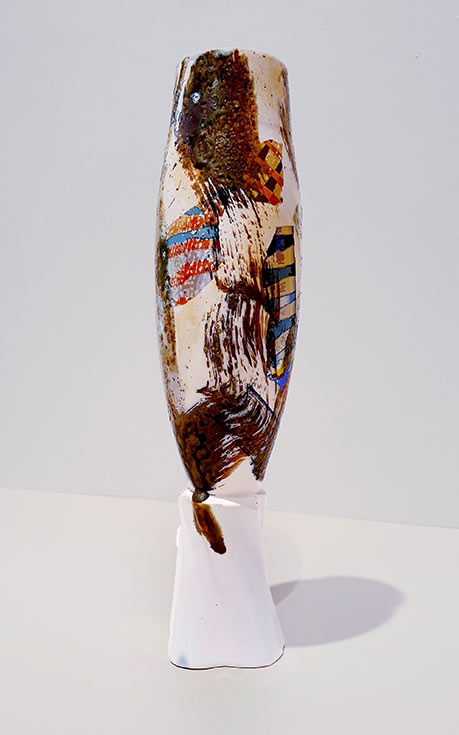
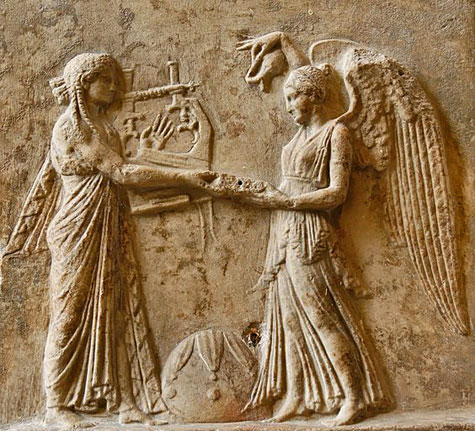
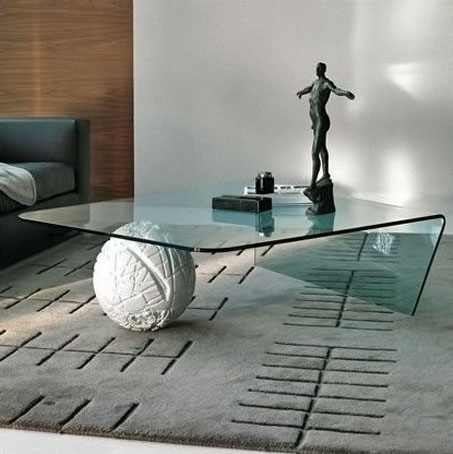
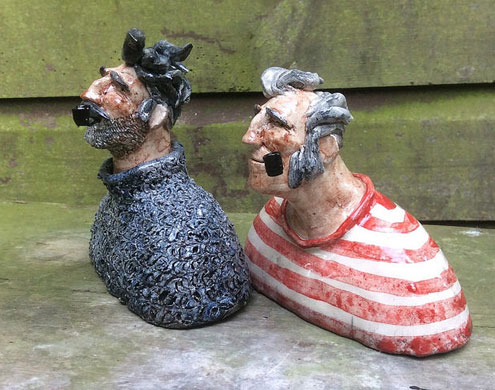
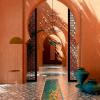
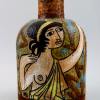
The brilliant forms created by Tarrone are decorated with exquisite detail by Massard, who trained at Ecole des Arts Décoratifs de Nice. Their decor virtuosity is expressed with contemporary sculptural busts integrated with glazed panels revealing complex perspectives of vast tiled spaces, doorways stretching to infinity, solitary figure silhouettes, classical nudes, Greek gods and nymphs in heavenly spheres, filled with mystique and charming architecture. The rich visual narrative pushes the depth of field with extended focal points and has an inviting allure.
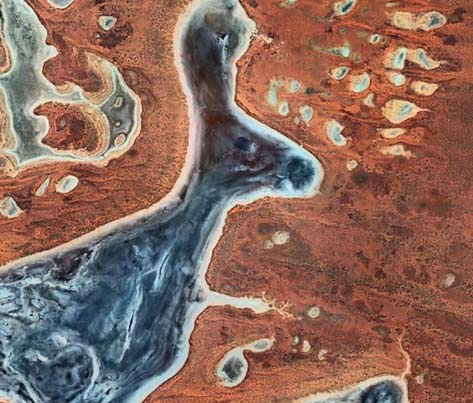
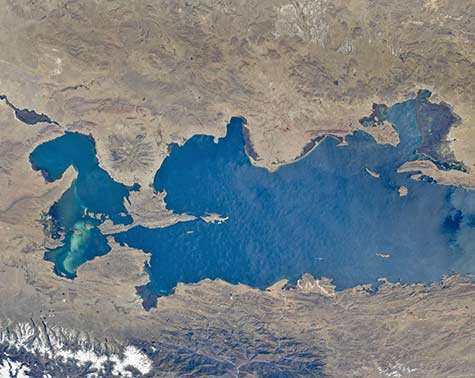
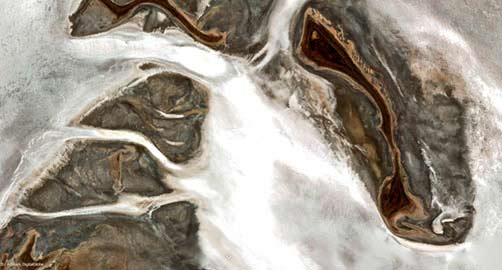
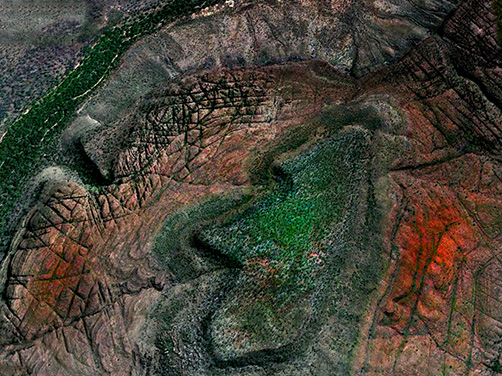
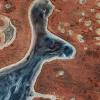
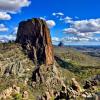
Vision of a rabbit lake surrounded by a rich ochre terrain from an elevation of 3km
NT, Australia
Rabbit blue lake in middle of OZ
Despite being the Year of the Rabbit, bunnies weren’t really on my radar, having already done a feature post on the refined rabbit. Recently, while indulging in an arial landscape foray for gong shi exploration, I had a chance sighting of an intruiging rabbit lake in the centre of Australia. It was in an auspicious location due to its proximity to Mount Wedge and Pupanya (origin of Indiginous Aussie Art from bark to canvas). This acted as a visual catalyst that motivated me to take a closer look into the Rabbit Year
As this year is associated with the Water Rabbit, which only comes every 60 years, the last time this happened was in 1963, right on the cusp of an era of cultural and artistic revolution.The Water Rabbit arouses artistic fluidity, creative virility, feminine flexibility, moderation, balance and moving with the flow.
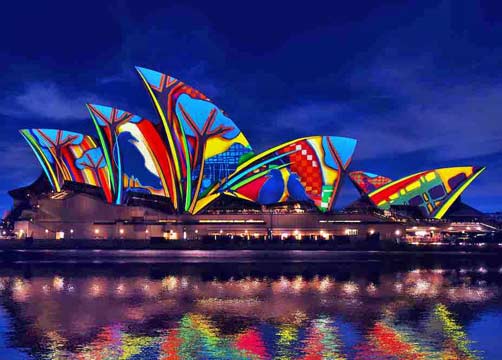
At this time the Beach Boys were launching their breezy Surf Music mania and wave motion imagery was becoming very popular. Even ocean symbolic, shark fin designs were appearing as a frequent feature on most cars cruising around in the sixties. The bold sea sail architectural statement of the Sydney Opera House was also opened in 1963.
Miro, Jackson Pollock, Guido Gambone, Robert Crumb and numerous artists had introduced a freewheeling flow and spirit in their works, emboldened by a carefree abandon. So many shackles were suddenly shed, releasing an irrestistable spirit of freedom which kept expanding along with the far reaching musical innovation and genre fusion unleashed from Coltrane, Hendrix, The Beatles, Miles Davis and countless others in this artistically fertile decade.
Vivid light festival projected onto sails of Sydney Opera House
The currently unique combination of the Water Rabbit, the emergence of Neptune and the beginning of a new Jupiter Grand Transit (2020) is a potent mix for spiritual illumination. I’m now anticipating a new phase of cultural expansion and creativity becoming imminent. I don’t beleive we can assimilate another ride as wild as the last time but I feel there will be a more nurturing component of rejuvination, creative healing, sustanence and preservation.
Enjoy this collection inspired by rabbits, feminifience, calming beauty, ochre orange, trippy blue palletes, ethereal spontaneous flow and good fortune.
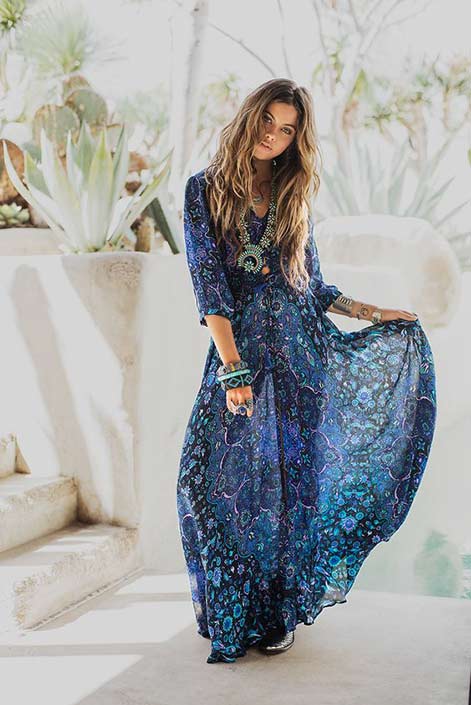
Wavy hair, flowing dresses, Boho Chic, all in the essemce of the peace loving Water Bunny
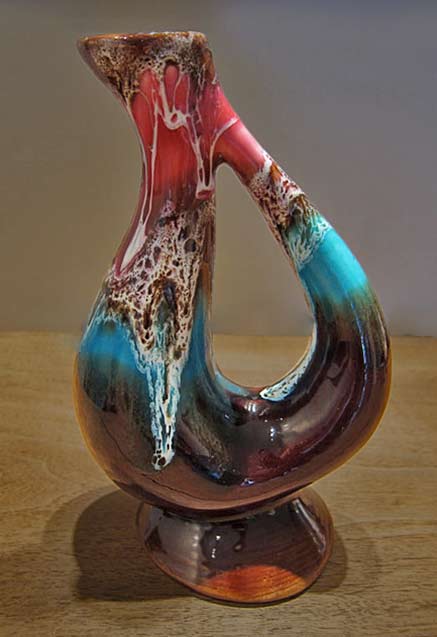
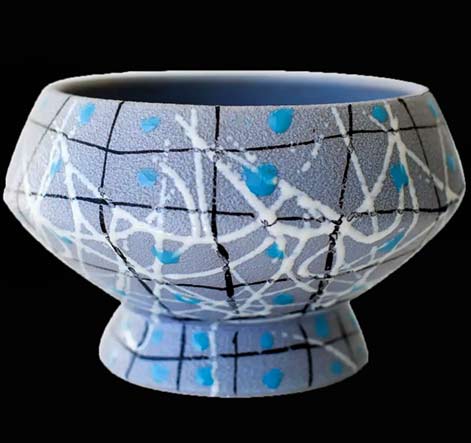
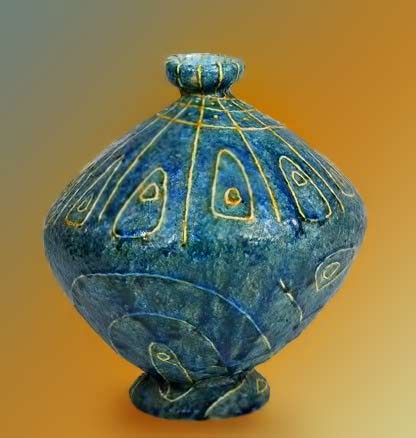
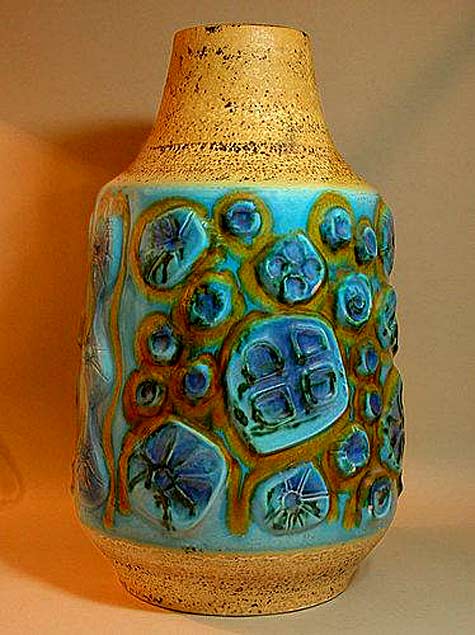
Vintage drip glaze vessel from Vallauris
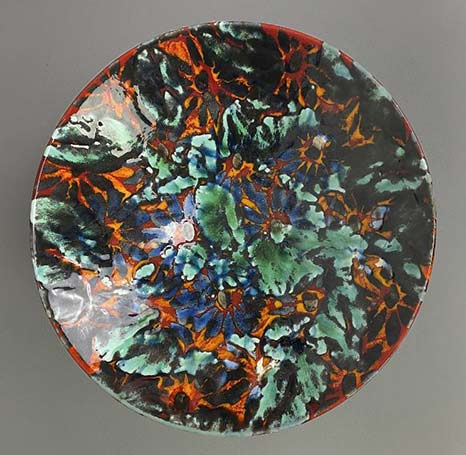
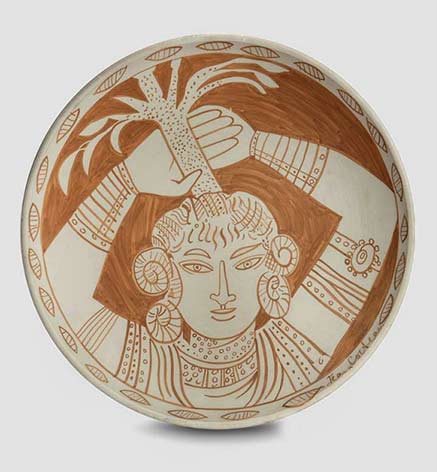
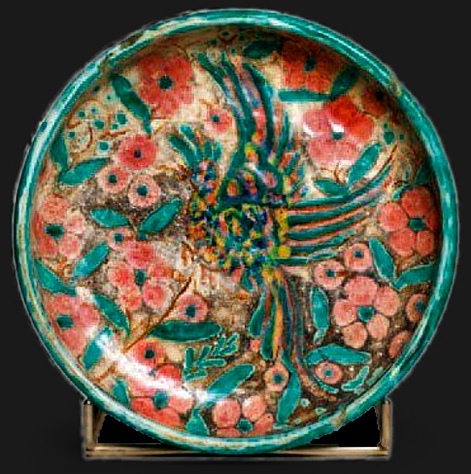
Tchalenko floral bowl
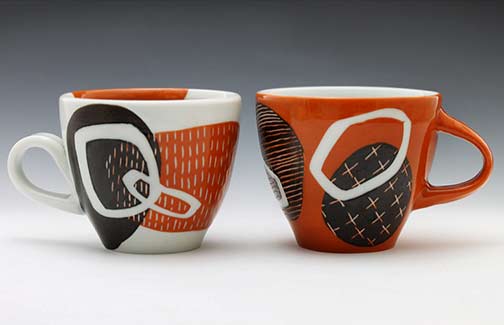
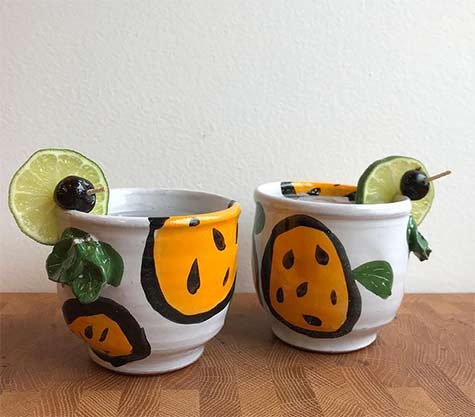
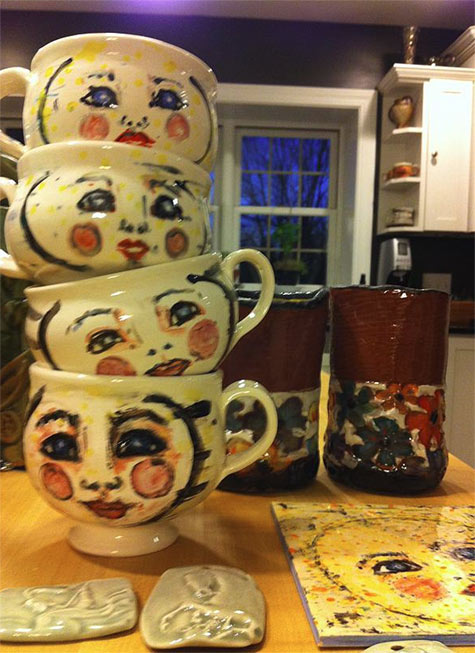
Kelly Daniels ceramic cups
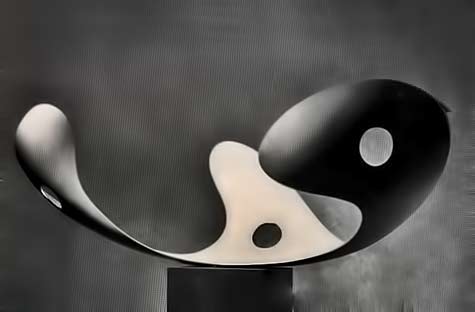
Jose de Rivera vintage sculpture
Alfajar Ceramica Pequeno Formato Alcuza — Small Flask
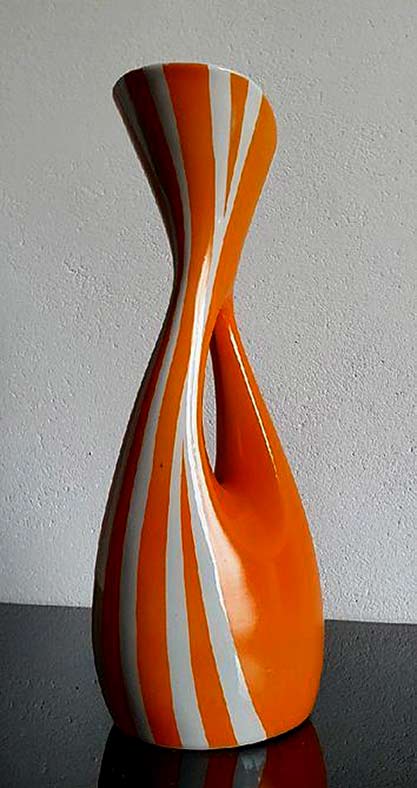
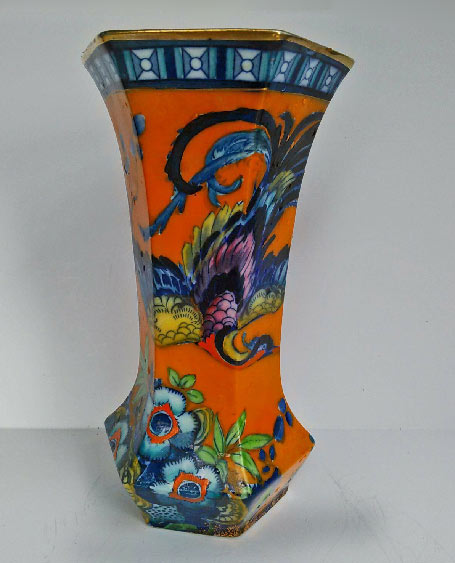
Flamboyant vintage orange and white striped vase
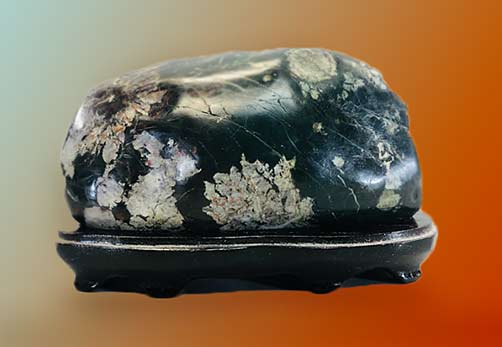
Rabbit and Chrysanthemum Flower Suiseki/GongShi stone
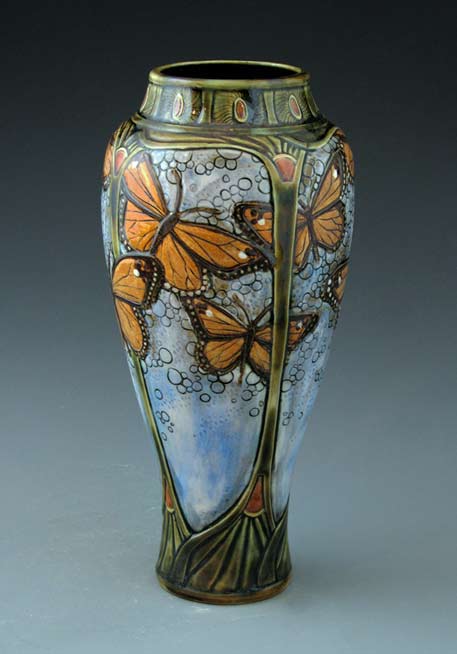
Art Nouveau fluttering butterfly vase — Stephanie Young
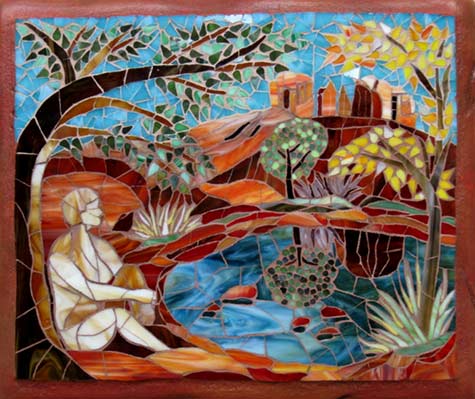
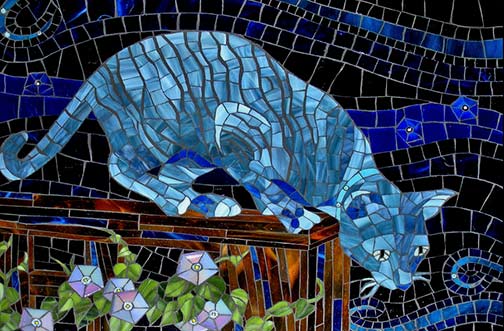
Annie Thomas Burke — mosaic panel
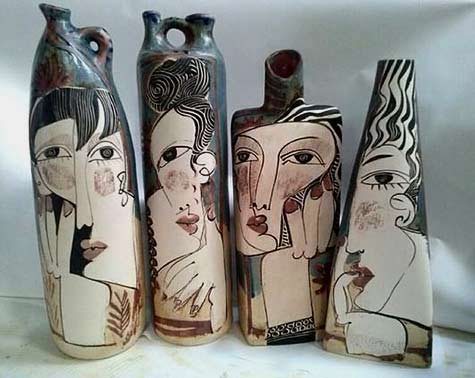
SpanishAlfajar — expressive female face vessels
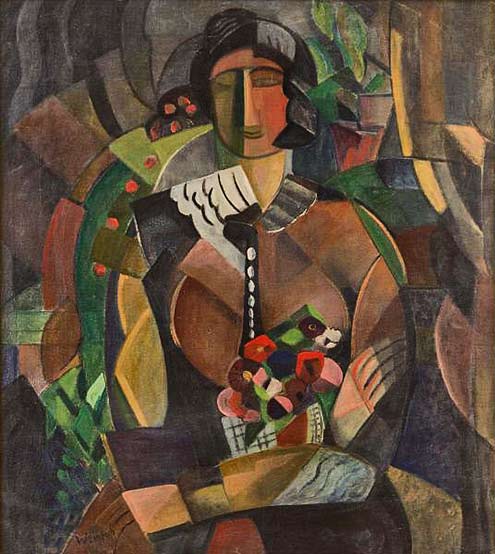
Agnes Weinrich — ‘Woman With Flowers’
1920
Anelise Bredow vintage inspired vases
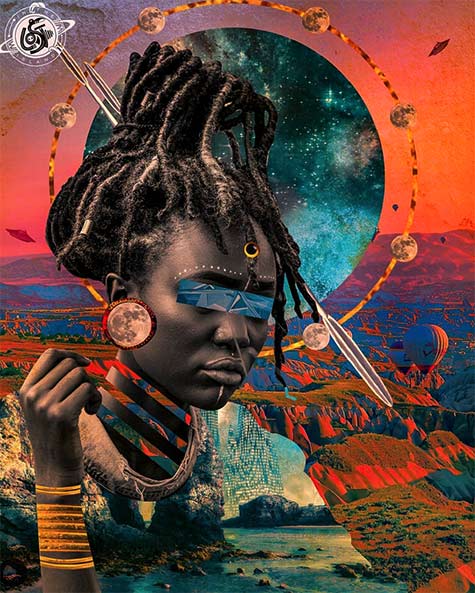
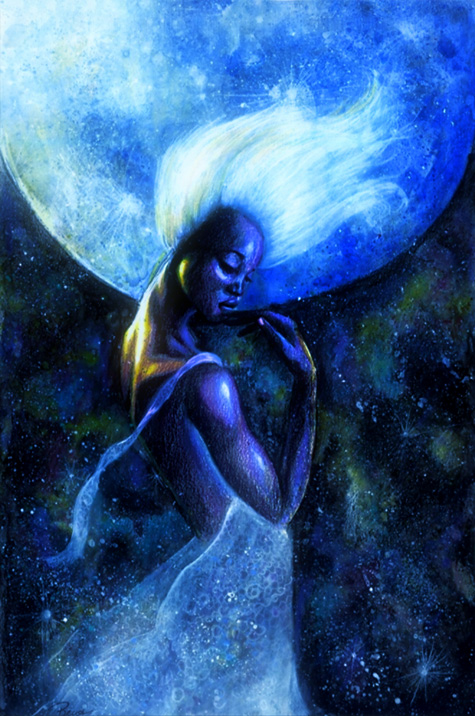
Afrofuturism Collages of Kaylan
Danseuse de flamenco — Isabelle Tuchband
Brasil
St Albans Pottery, UK
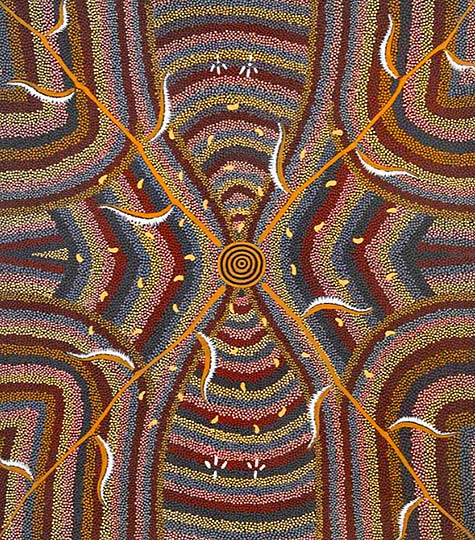
Clifford Possum Tjapaltjarri — ‘Honey Art Dreaming’
1987
Clifford Possum was an artist of early dot painting activity at Pupunya. His Honey Art Dreaming was featured on the Australian Five Dollar Silver coin.
Vase Sirene — Jean Derval
1960
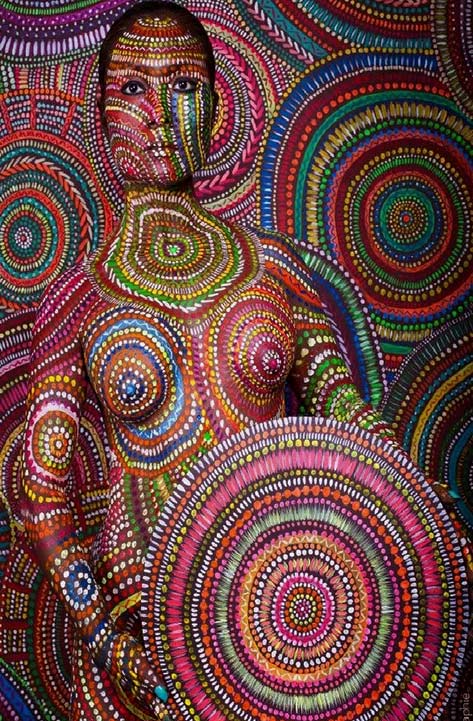
An interpretation of indigenous dot painting by French artist Melissa Gougeon
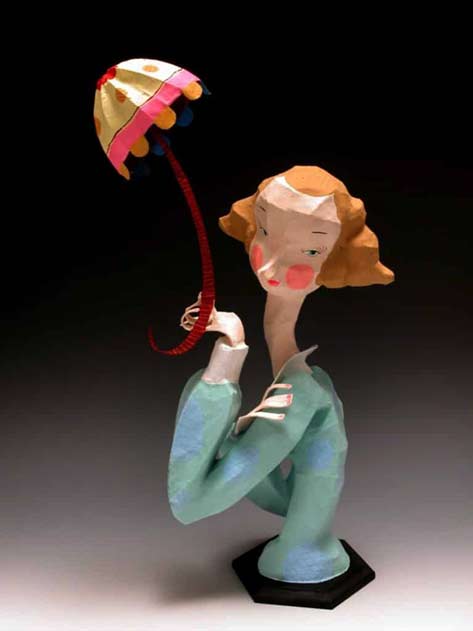
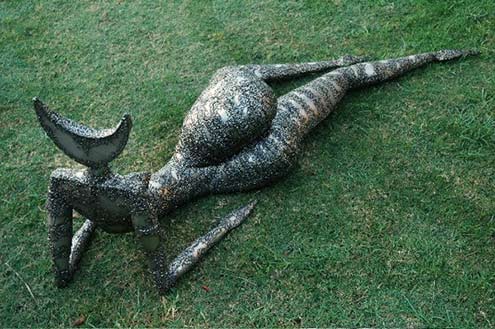
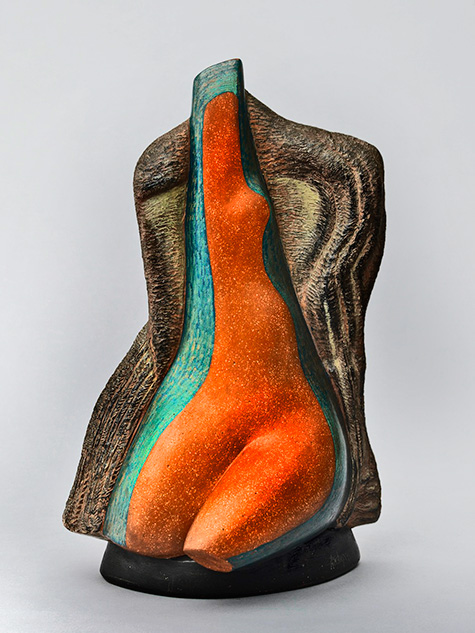
Bob Illes — female sculpture
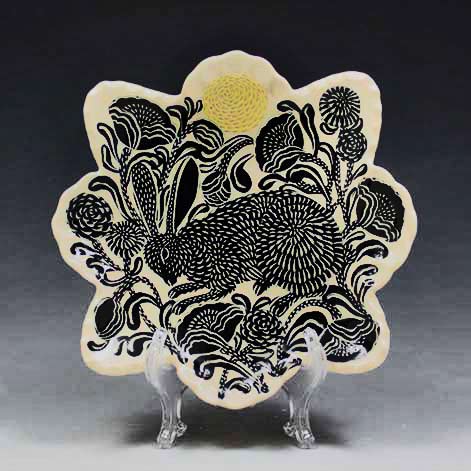
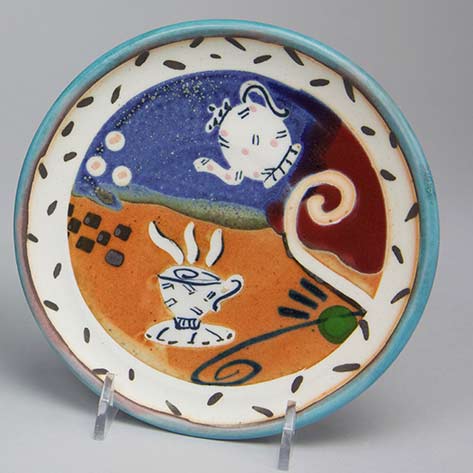
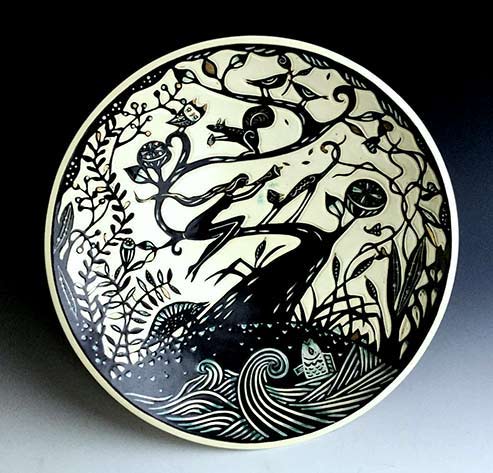
Sue Tirrell Black Rabbit Star Plate — ‘A bunny Ba Qua’
2019
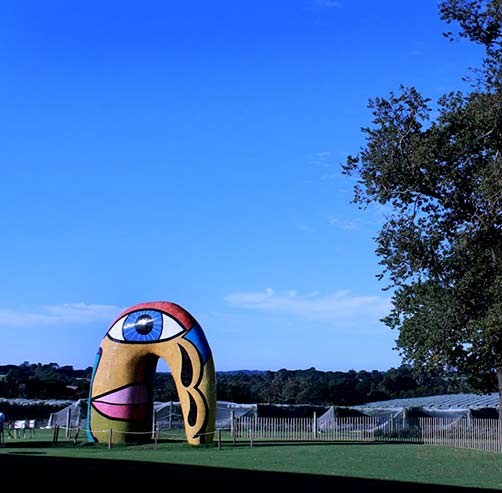
‘Portal to another time and place’ — Deborah Halpern
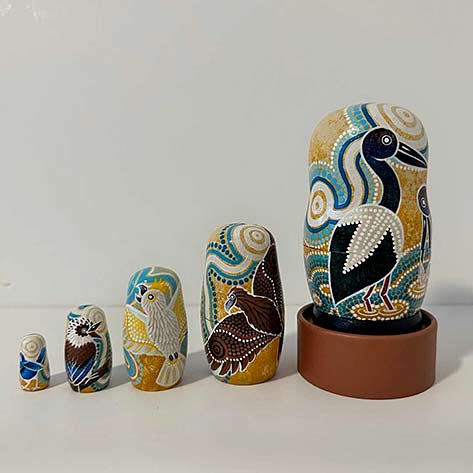
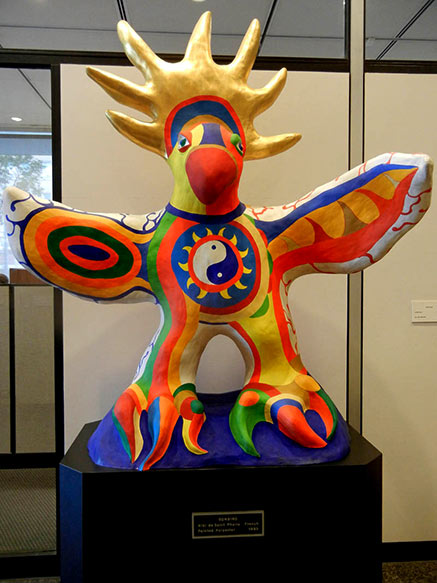
5 hand painted nesting doll birds created by Aussie Indigenous artist Leah Brown
Isabelle Tuchband
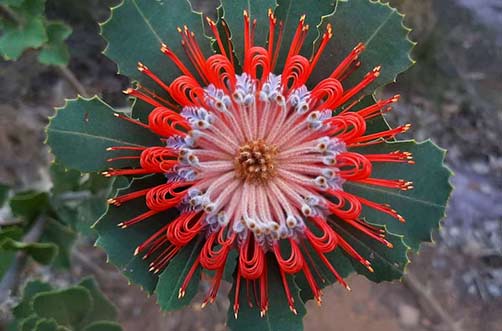
Banksia Coccinea flowering in Stirling Range National Park
photo Terry Dunham
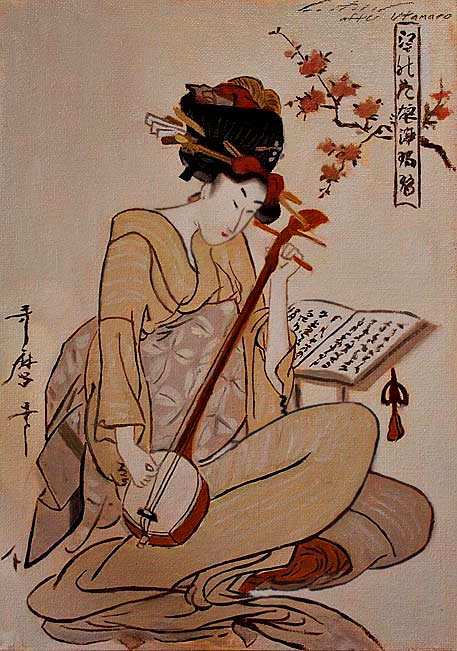
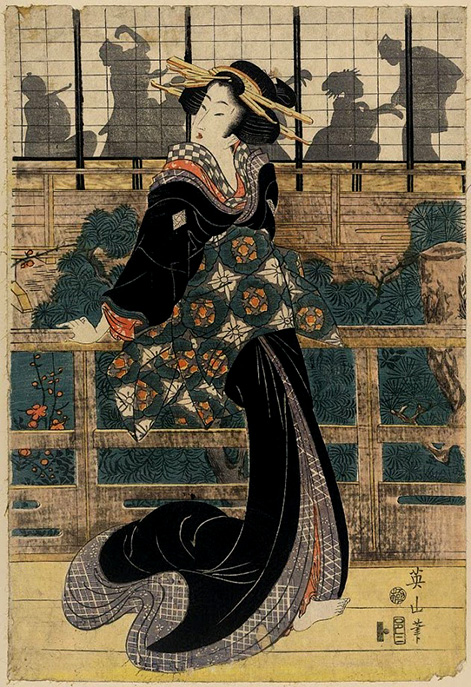
Flowers of Edo Young Womans Narrative Chanting to the Shamisen
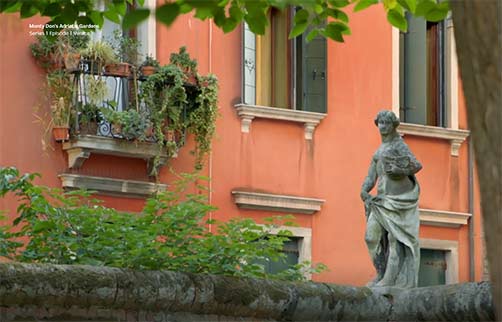
Monty Don’s ‘Gardens of Venice’
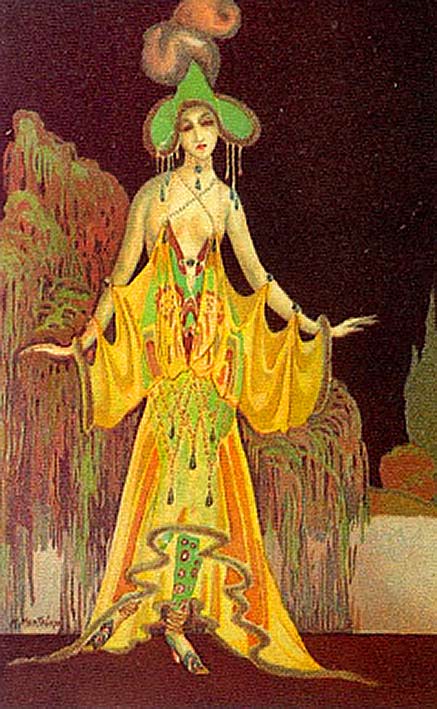
M.Montedoro Art Deco postcard
1920’s
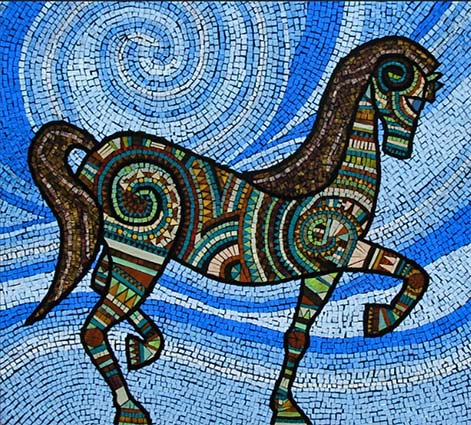
Irina Charmy – ‘Pony’
Lake Titicaca, Puma chasing a Rabbit — The Sacred Lake of the Incas
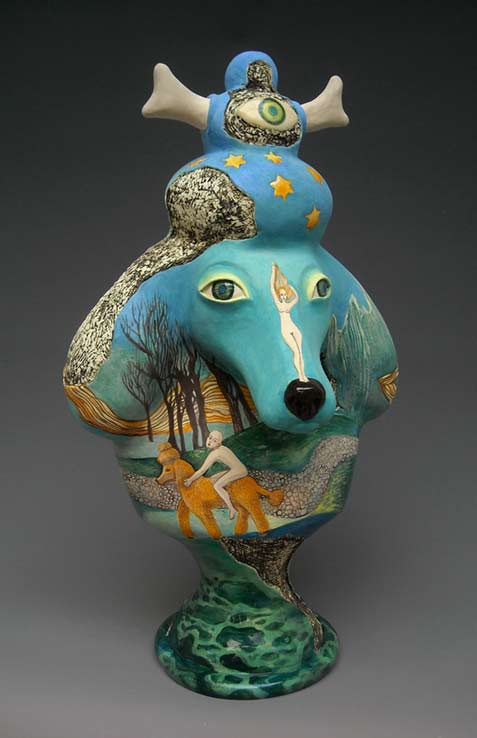
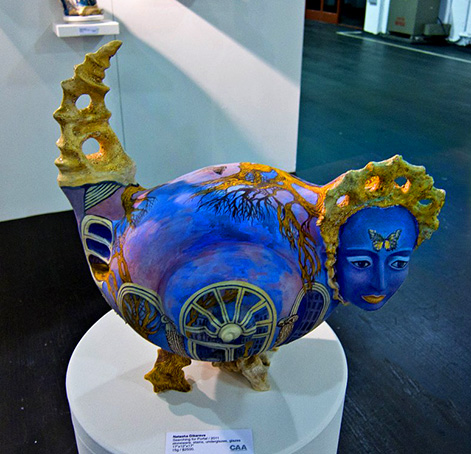
Natasha Dikareva— Third Eye Poodle
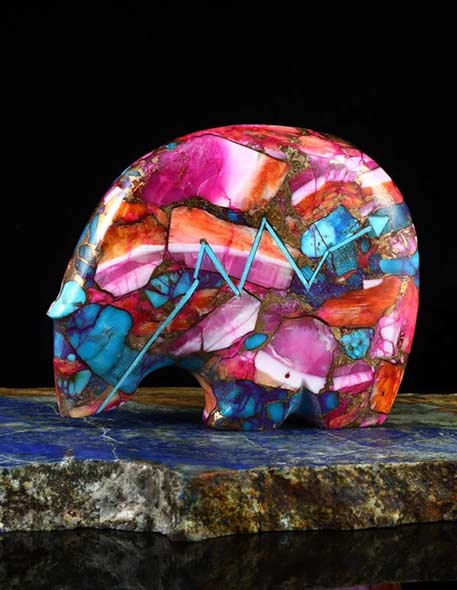
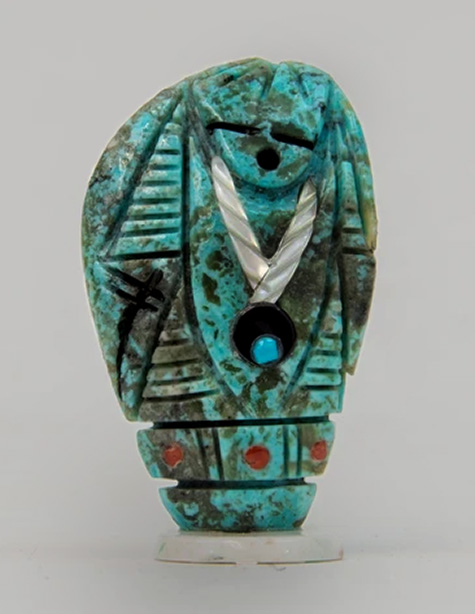
Compressed Spiny Oyster and Mojave Turquoise— Medicine Bear Zuni Fetish
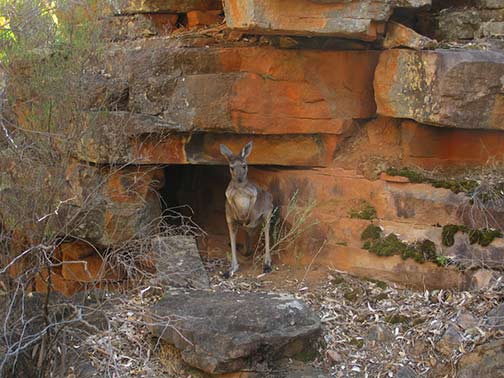
Eastern Grey Kangaroo in habitat
Carolyn Genders
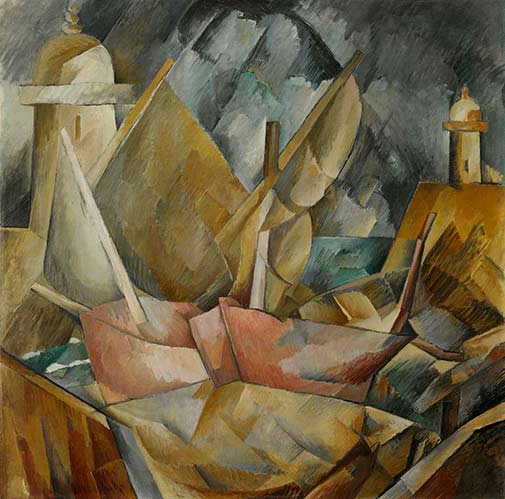
Georges Braque — ‘Little Harbor in Normandy’
1909
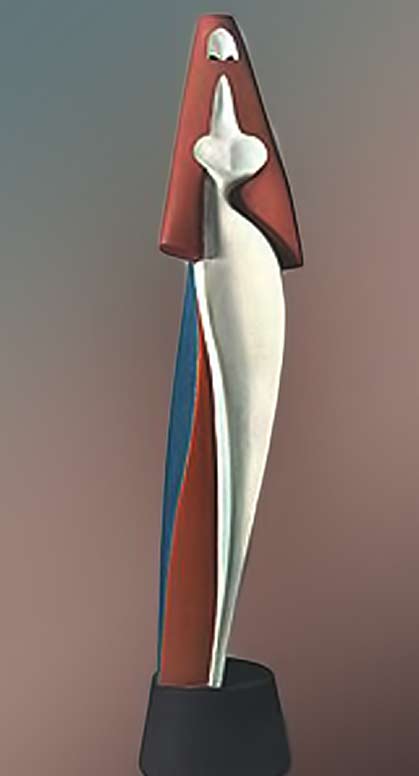
Alexander Archipenko — ‘Arabian’
1936
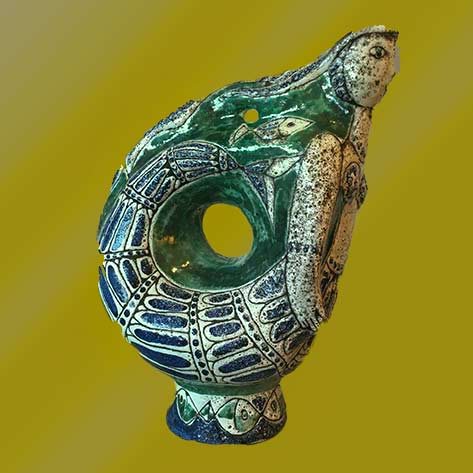
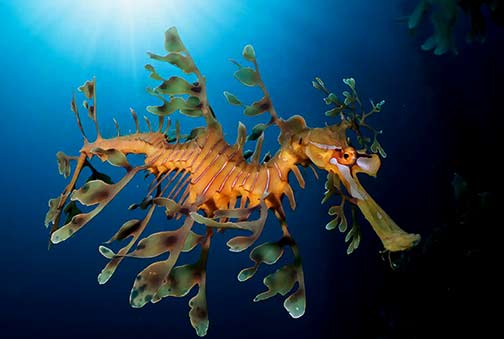
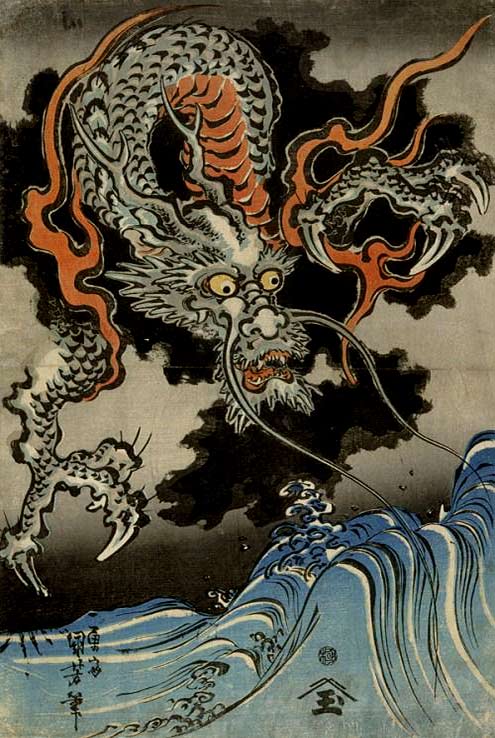
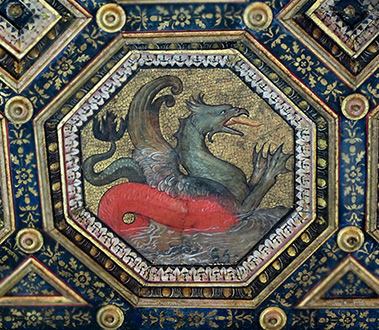
Sea Dragon
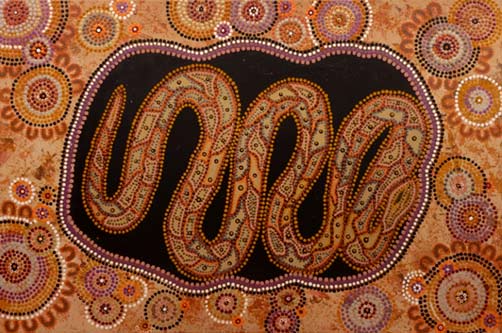
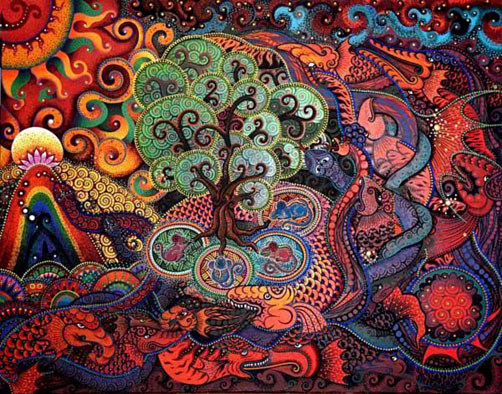
‘Serpent Rising’ — Alexander Calamei
— “This dot art piece was inspired during the time of 12/12 /2020 as it was a pinnacle time due to many stars aligning in our solar system and the dormant energy of the serpent under Uluru rising again. Mother earth is changing and she is waking up in many areas on the planet and Uluru. The centre is the Emotional Chakra of the Earth, waking the dormant serpent to assist with clearing trauma within the consciousness for healing humanity.” — Alexander Calamei
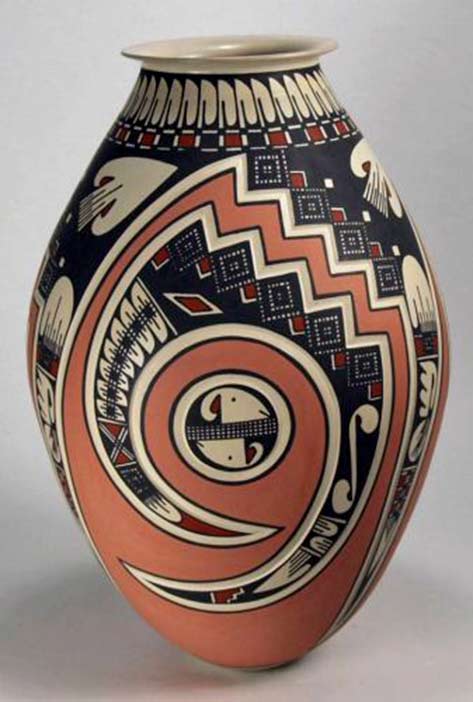
Mata Ortiz Pottery Sgraffito Olla — Lazaro Ozuna Silveira
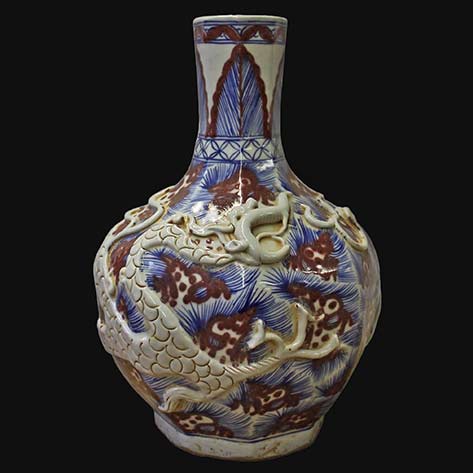
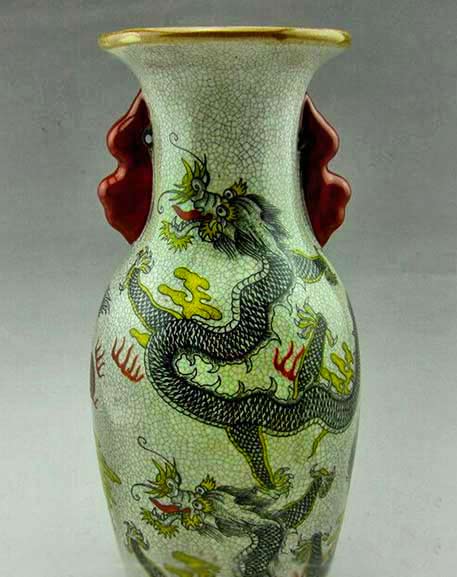
Chinese Handmade Ceramic Red Blue White Dimensional Dragon Vase
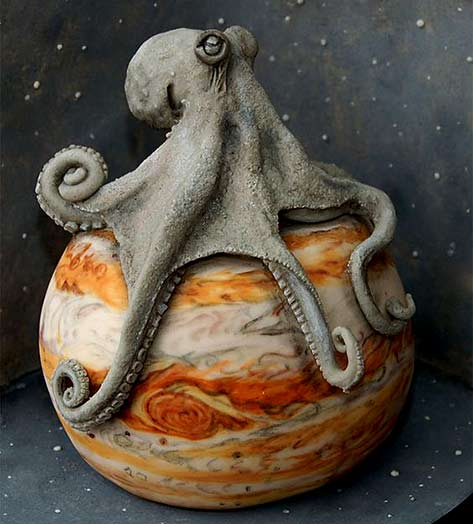
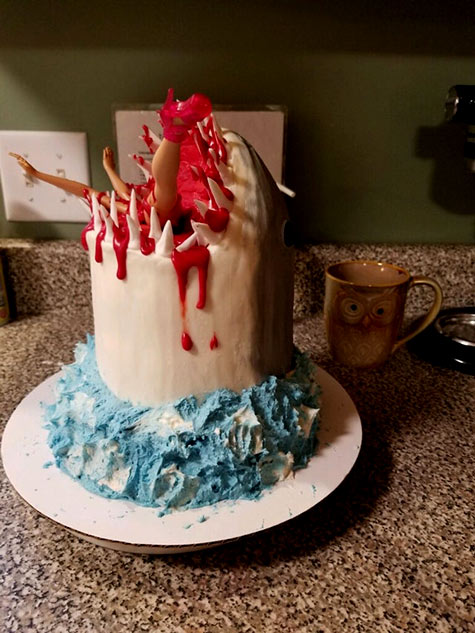
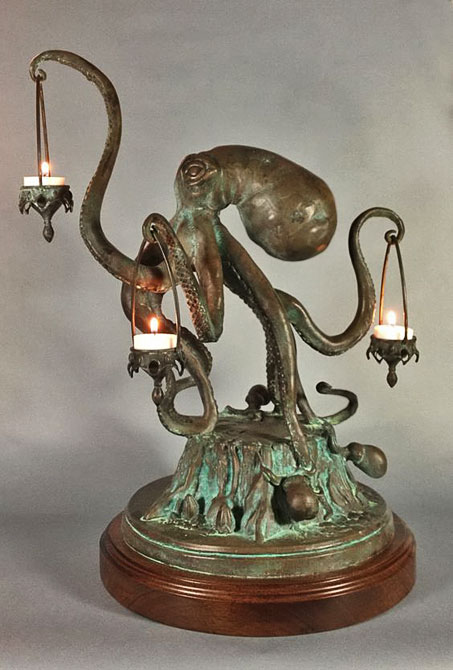
Corinna Maguire – lucky octopus cake
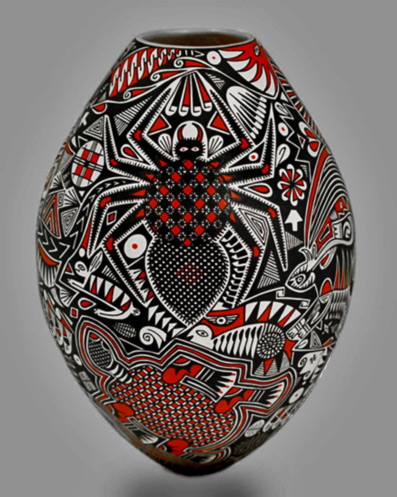
Eight legged creatures like the octopus and the spider (and their web) are worthy of contemplation because they can guide you beyond entrapement from your deep past. The intricate webs and tentacles being symbolic of the entanglement that can bind us. That’s why traditionally they are known to free emotional and creative blocks. As a new era of inner freedom is now emerging, its a great time for some serious release.
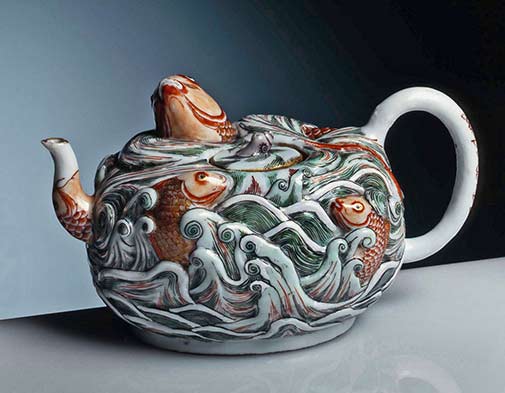
Porcelain Koi relief teapot — China Qing Zeit 1644–1911
Dresden Zwinger museum
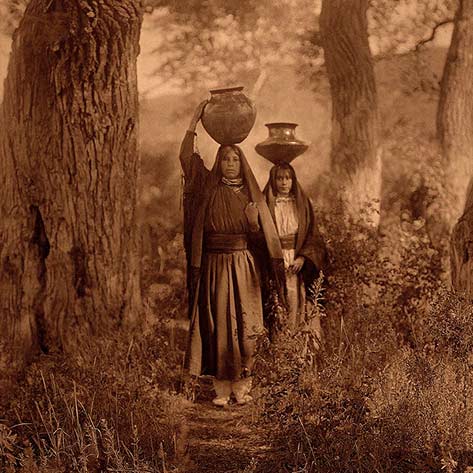
Edward C. Curtis photo
1905
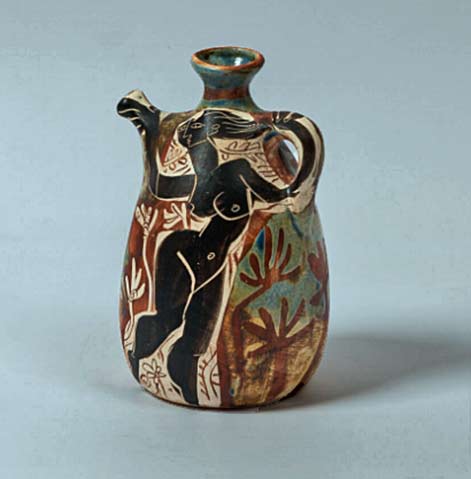
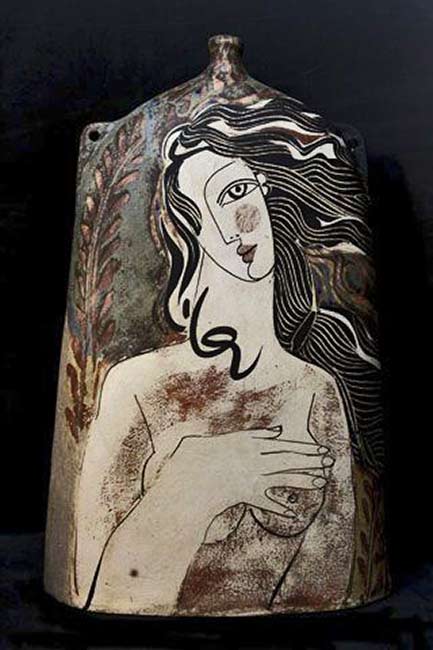
Alfajar –nude figure flask
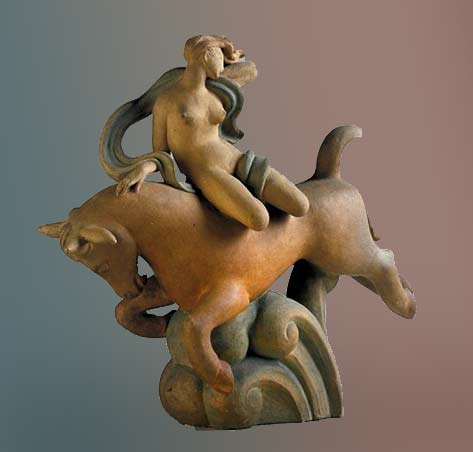
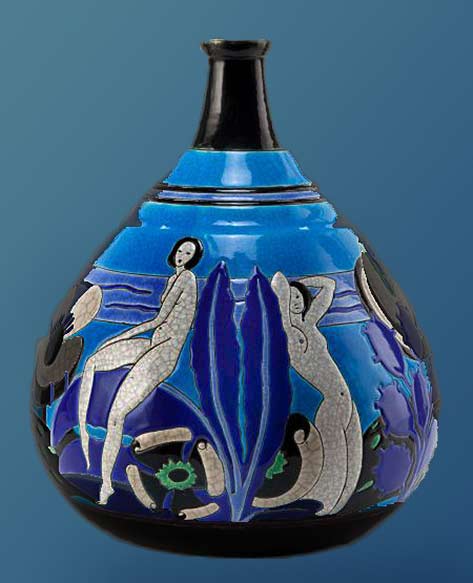
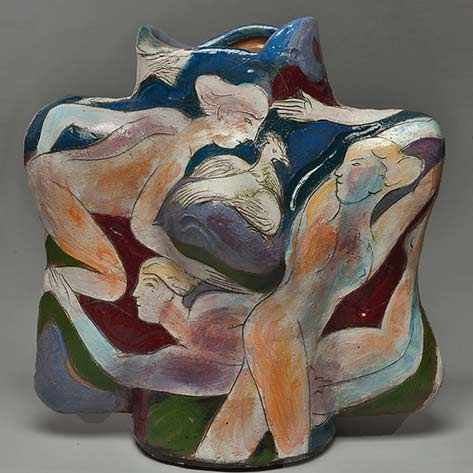
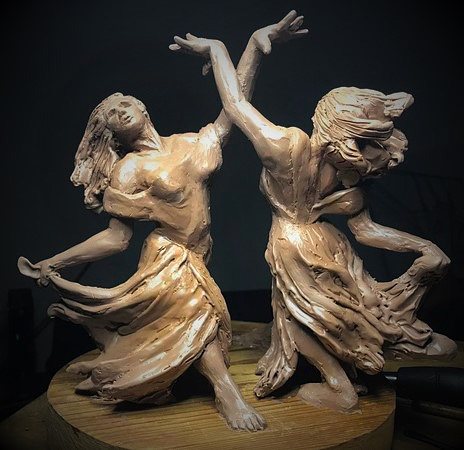
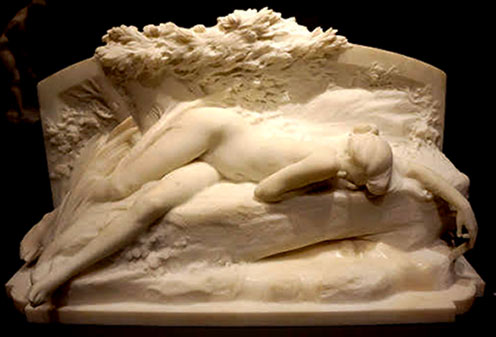
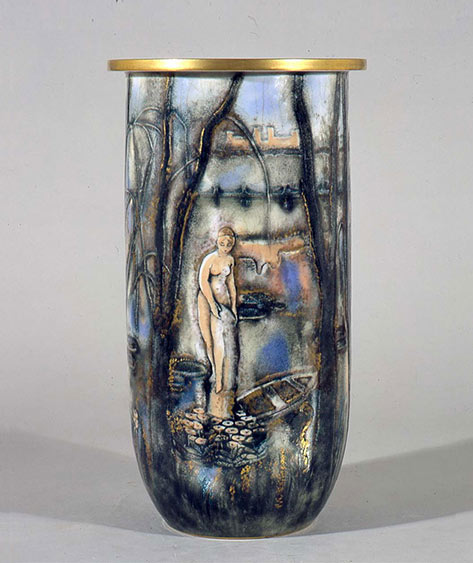
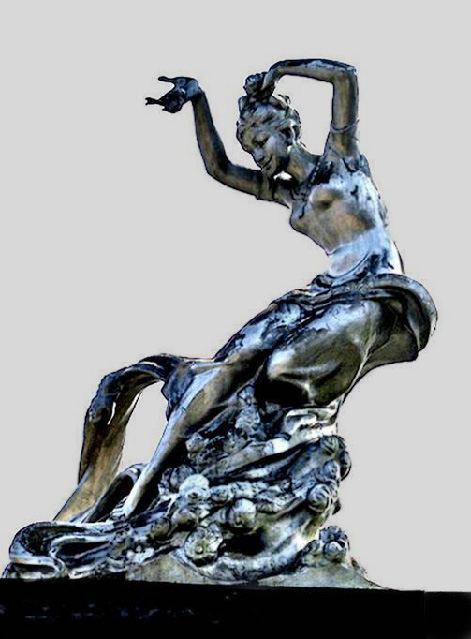
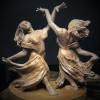
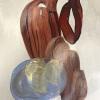
Barocco — Richard Tarone And Jacques Massard — ‘Europa, Pan And Dionysis’
1995
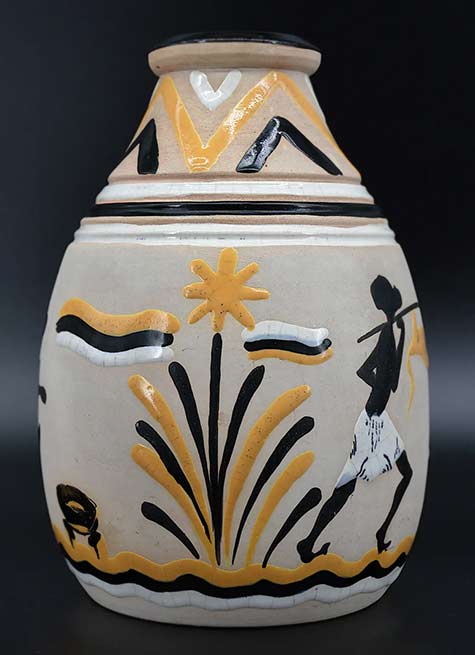
French Art Deco Colonial Vase
Imiso ceramics Africasso vessel
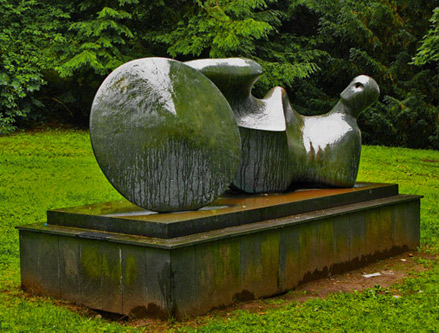
Jean Arp sculpture
Joely Clinkard — Small Red Spring Stroll Vessel
Rene Buthaud large plate
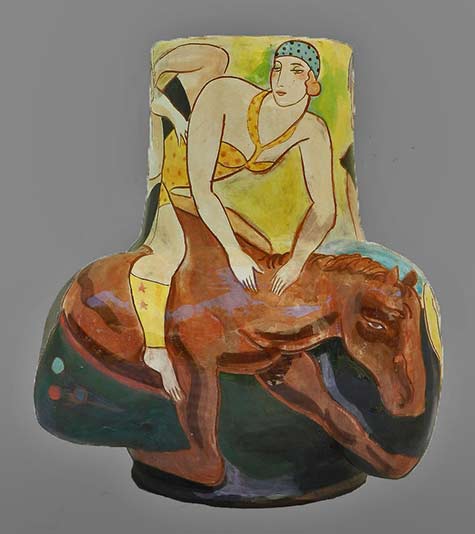
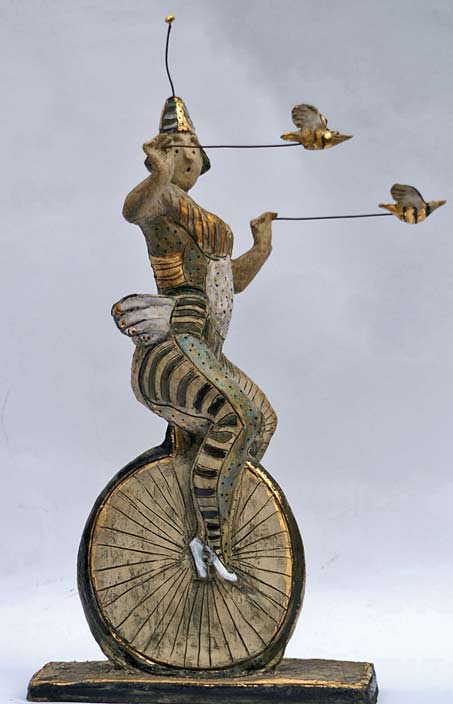
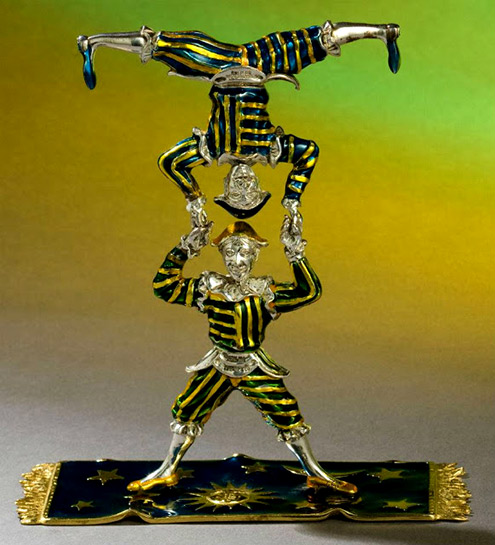
Michael Kay circus riders
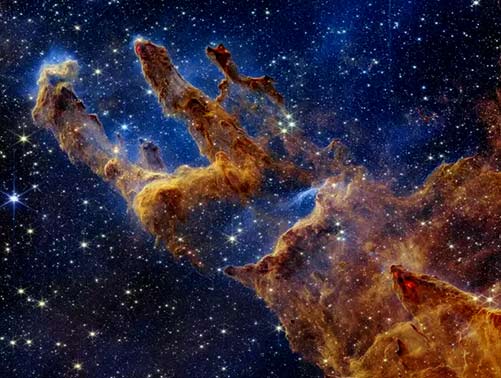
Reaching Out — recent image from the James Webb Telescope
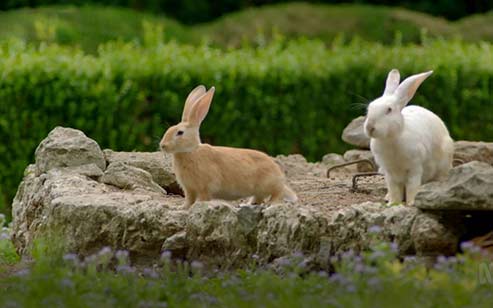
Rabbit Island, Valsanzibio garden, Italy
During the Venice plague of the 1630’s, Giovani Barbarigo made a vow to the Divine that if his family survived, he would create a grand garden at Valsanzibio.
Monty Don
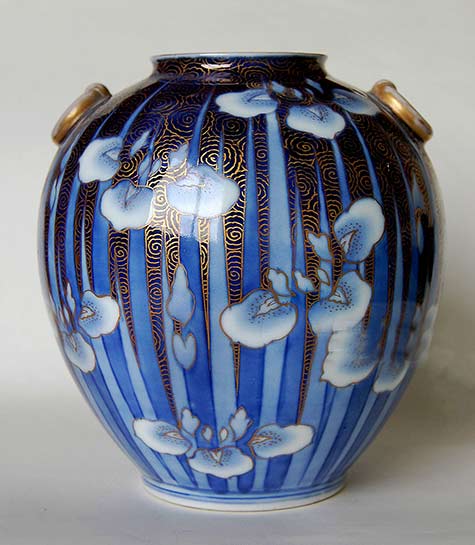
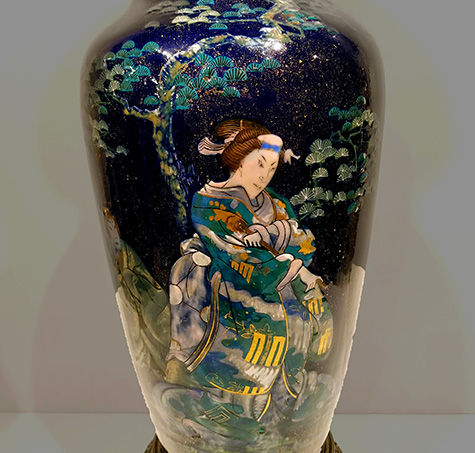
Large cobalt ground Satsuma vase
MaPo Kinnord — ‘Cosmic key’
Ren Buthaud French Art Deco ceramic vase with nude figures
Richard Erdman
Sophie MacCarthy
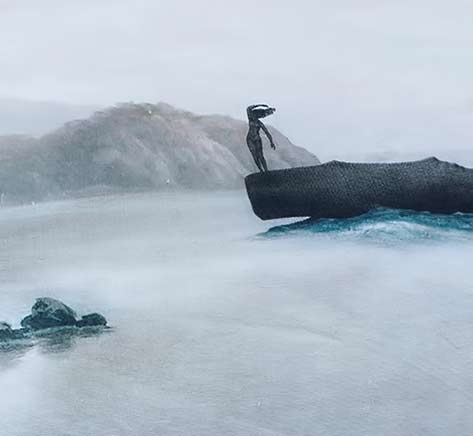
Cruising whale rider
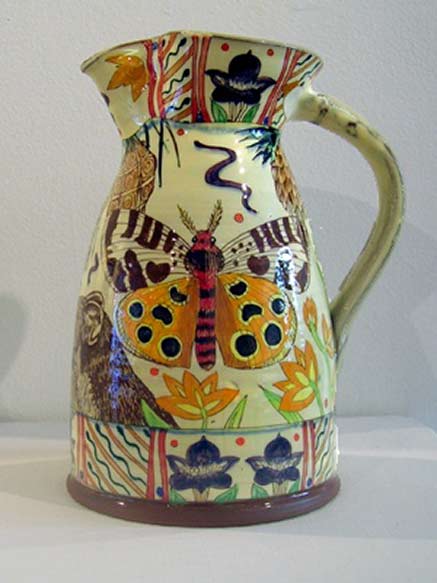
Maureen Minchin jug
Longwy Figural Ceramic Vase, Longwy France
Circa 1930
Les Namingha pottery
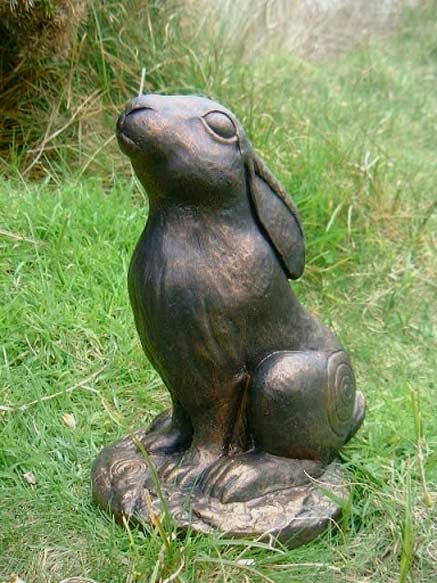
Moon gazing hare
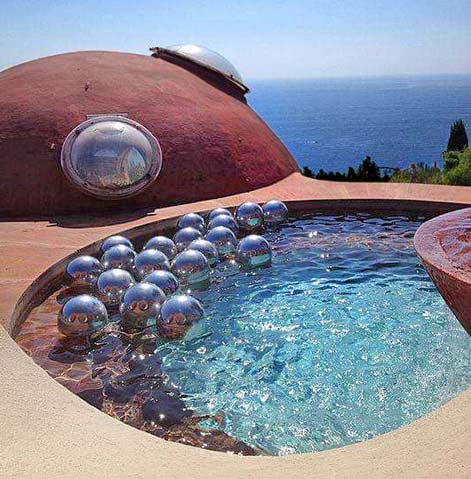
Palais Bulles, France
Rudy Autio
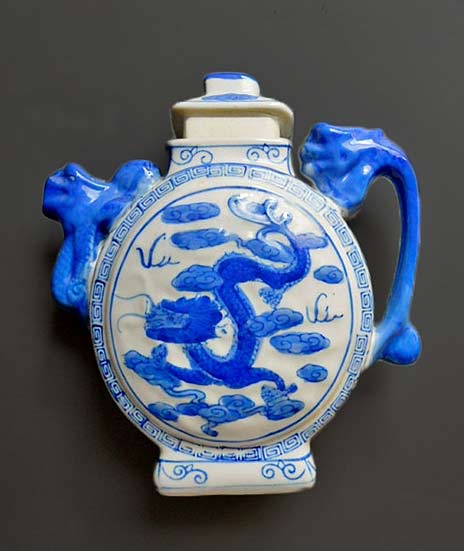
Lively, large blue dragon teapot
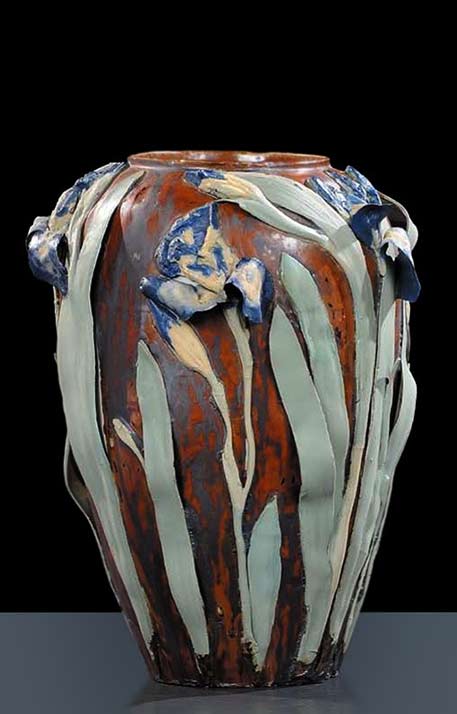
French Art Nouveau vase with floral relief
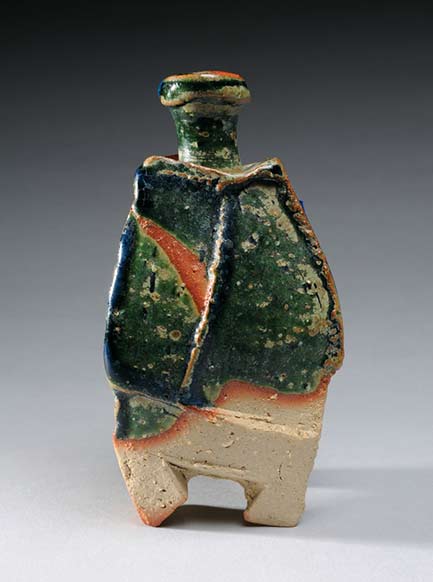
Ryuichi Kakurezakis sake bottle
6 in. 15 cm in height – stoneware. 2015
photo George Bouret
Mykonos inventive pottery display wall
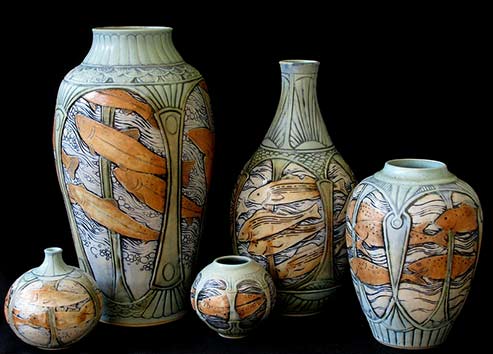
Stephanie Young – ceramic vessels set
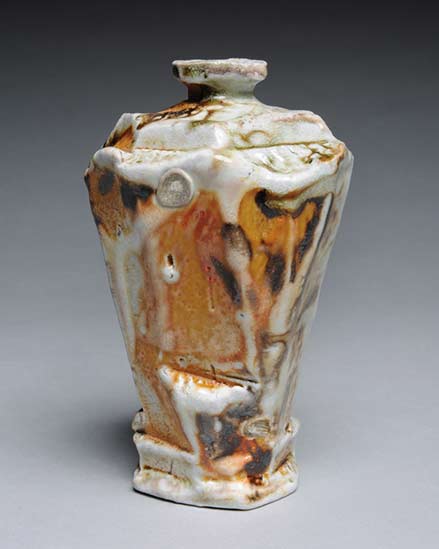
Lucien Koonces — Tokkuri — 5½ in. 14 cm in height, stoneware 2015
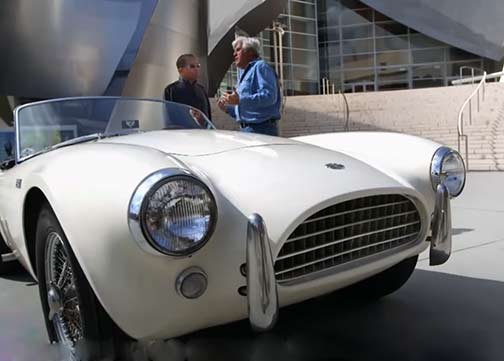
The bunny luck was working for Herbie in 1963 (Rabbit Year) when he acquired this Cobra car on a whim in NY for $6000, with money from his paycheck from his huge hit ‘Watermelon Man’. He had also just recorded a song called King Cobra, which he described as an attempt to “expand the flow [of jazz tunes and chords] so that it would go in directions beyond the usual” This was the beginning of his expanding journey into fusion music that also included building the Funk genre in the 70’s. He still owns the Cobra, currently worth 2 $million.
The Beach Boys with Ray Charles — ‘Sail On, Sailor’
Masters of Harmony meeting the Master of Soul, 25th Beach Boys Anniversary Tour, 1987
‘Free’– Prince, Larry Graham, Chaka Khan, Graham Central Station
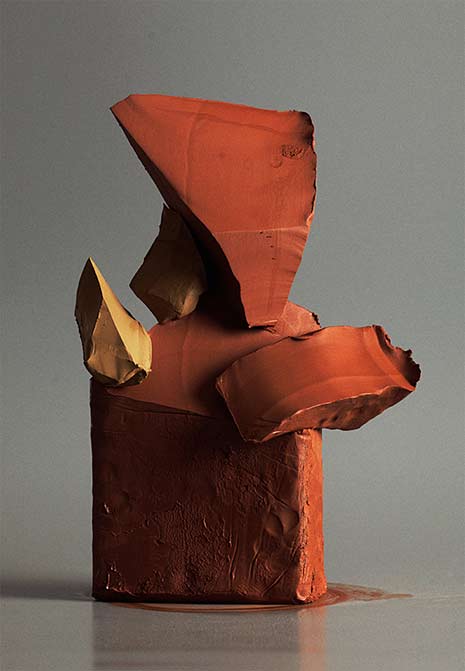
Conceive. Construct. Emerge. Embrace. — clay coalesced with an Ochre Theme
All the 5 elements are vividlycoalesced when the art of pottery is indulged. It is hard to find a more visual depiction of the manipulation of natures primary forces than when the creation of ceramics is involved. Earth, fire, water, metal and wood are all summoned to contribute and our evolution at its most basic is invited to participate. Because Earth is key to balancing all the other elements {a central belief in traditional Chinese Tao philosophy}, the final product beautifully encapsulates this elemental dance.
Launching my first post with a new host calls for the dynamism of some vintage abstractions, the luck of the dragon and phoenix, the adaptability and balance of the octopus, inspiration from some ancient creativity and the blessing of Ganesh for embarking on a new venture. Here I am exploring expressive ceramic arts displaying bold, colorful and uplifting designs of unbridled ebullience.
An unplanned ochre theme emerged during the construction of this post which was unsurprising as I have been vibing on this color for months. Ochre being the color polarity of the currently enlivened azure which is full of subtle Neptune vibrancy at the moment and both being instrumental in the awakening of intuitive powers now emerging and needed Both colors are anchored to the centre Earth Element and are instrumental in harmonizing all the Elements, essential for physical and ethereal balance. Staying grounded with earthly palettes of orange and green certainly won’t go astray during this time of upheaval.
Carlo Zauli – 1953
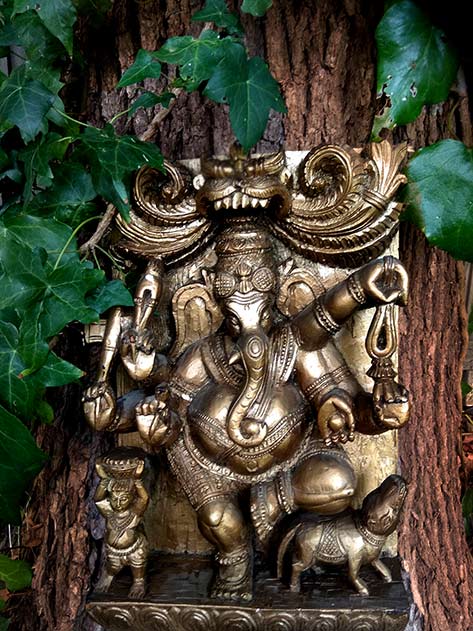
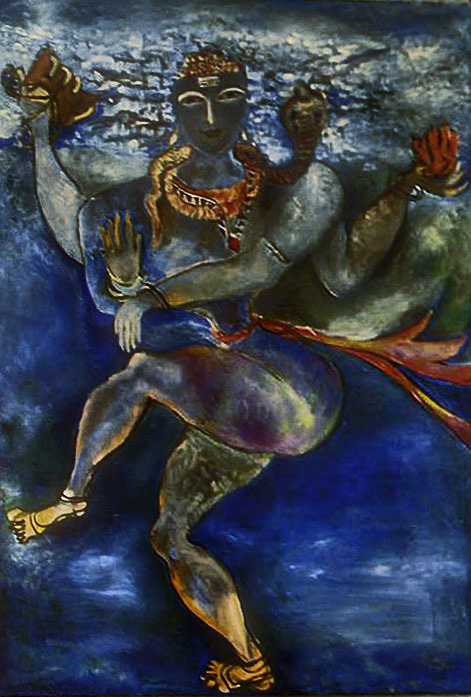
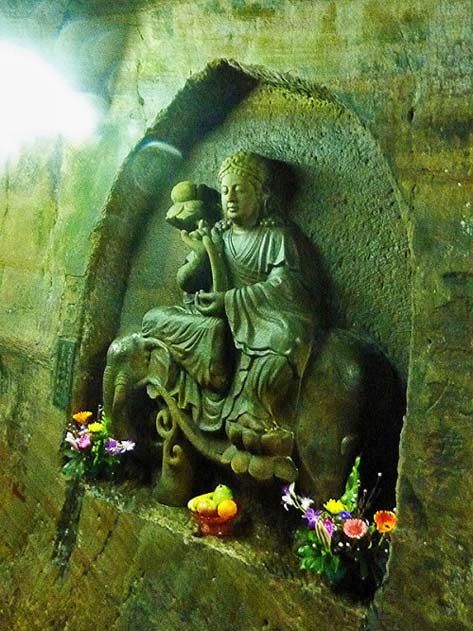
Ganesha
Ming Dragon vase
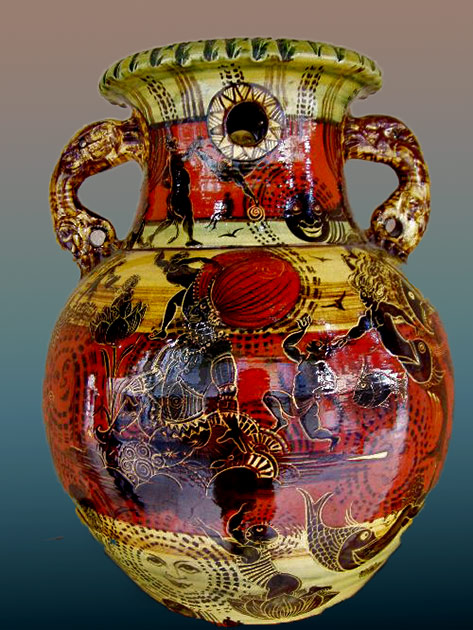
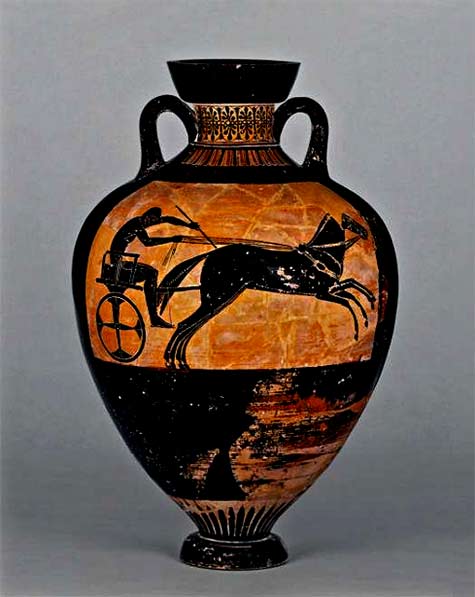
Attika black-figured Panathenaic amphora
500BC-480BC
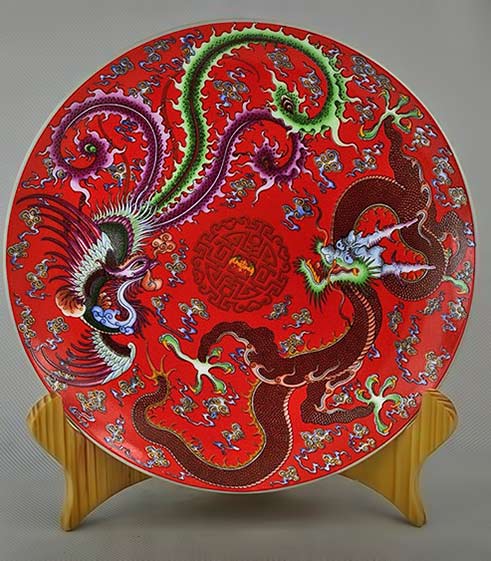
Jingdezhen porcelain Dragon/Phoenix charger
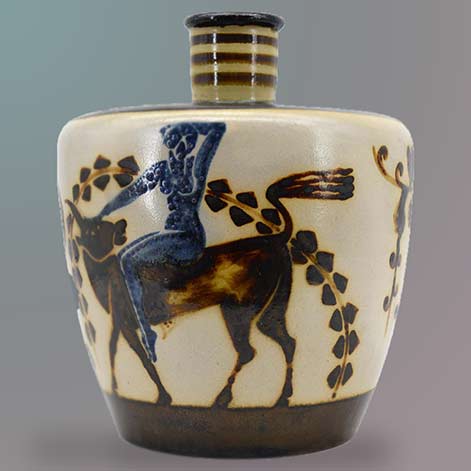
Europa riding bull by Marcello Fantoni
Italy
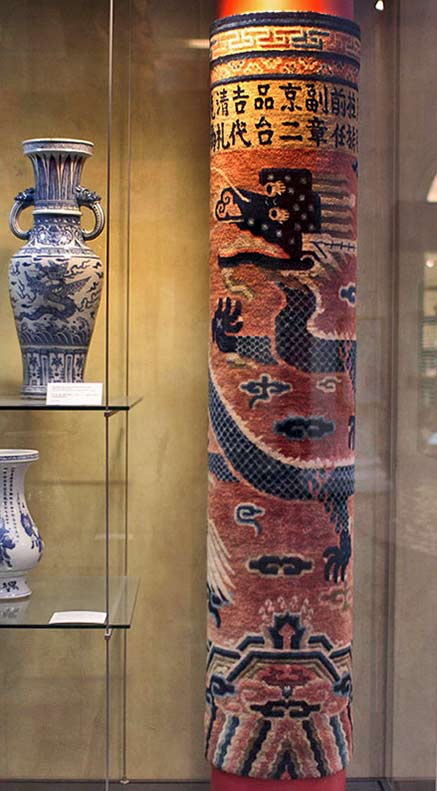
Qing Dynasty Dragon Column
Anne Claire Martin ceramique art
Goebel Artis Orbis Cambra Skade Porcelain Modern Vase
Janas Torok Mid-Century stylised vase for Zolnay
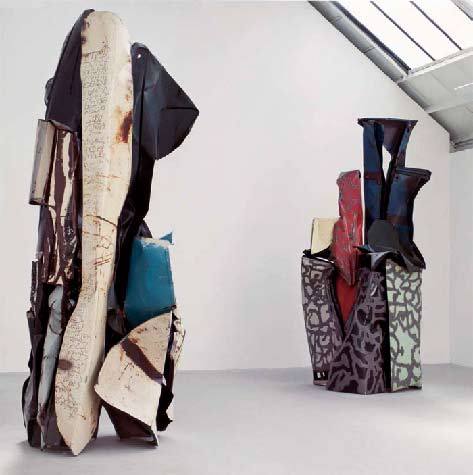
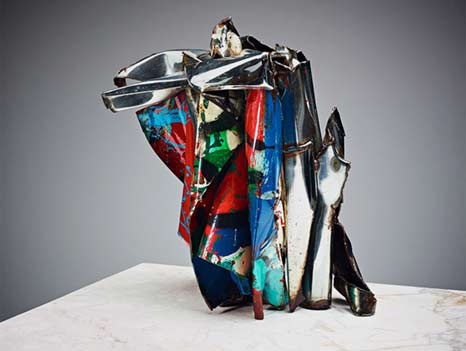
‘Fenollosas Column’ and ‘The arch of lumps’ — originally I believed they were ceramic sculptures but they are actually produced from crushed cars.
John Chamberlain
John Chamberlain ‘Le First’
‘Gentle Existential’ (2016)– Michelle Blade —
Shifting between subjectivities, Blade examined the concept of the empath, a person who soaks up the emotional environment around them and internalizes it. Combining these two perspectives, the work within Gentle Existential becomes a personal and geographic mythology, a figurative painter’s feminine and empathic look at the parts versus the whole of experience—and subtle workings of the self within the world.
Juxtapoz
Giovanni de Simone Italian vintage vessels
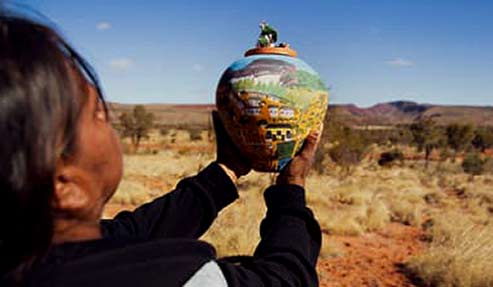
Hermansburg lidded pot decorated with outback landscape
Wayne Quilliam photo
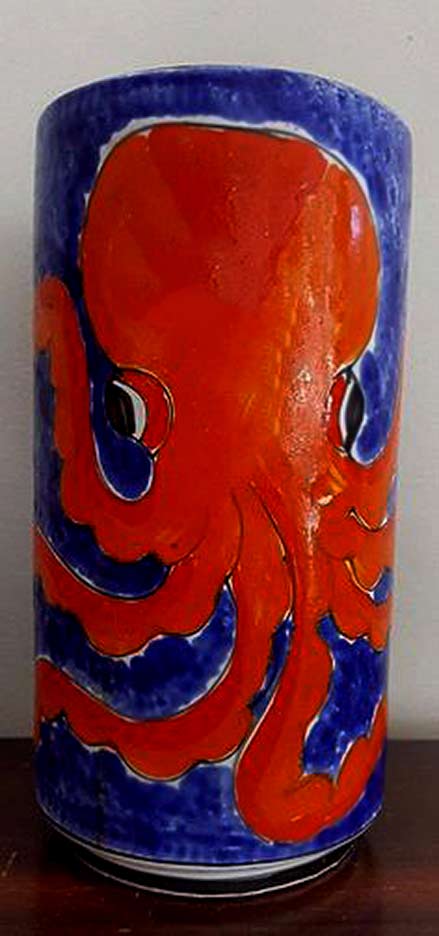
Italian Mimo Parrucca Octopus Vase
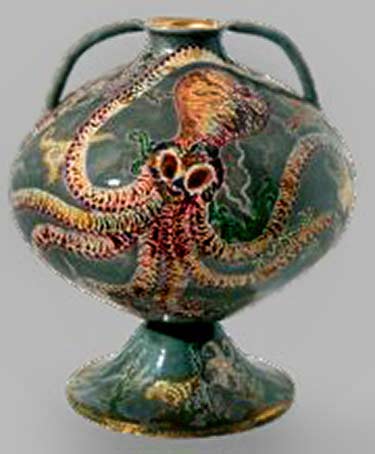
Antique Octopus vessel
Revered by the ancients for its metamorphic adaptability and transformative skills, the wonderous octopus with its eight tentacles was a mobile Ba Qua, blessing the oceans as a symbol of balance.
Jim Robison abstract dish
Large Sculptural Vase 2 by Dena Zemsky
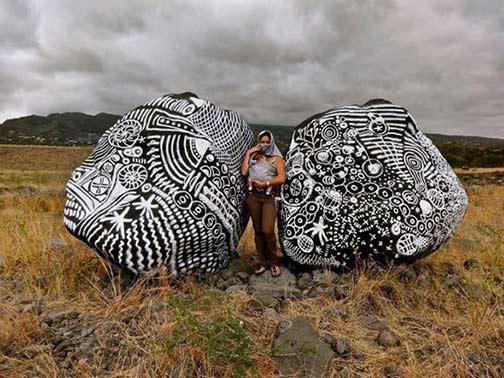
Mandalas inspired contemporary rock art by Megot
Reunion
Ceramic charger with street dancer motif — Pietro Melandri
Vintage 60’s vase by Schramberger majolica factory
Large Carstens brutalist relief textured vase
Monochrome — Carolyn Genders
photo Steye Speller
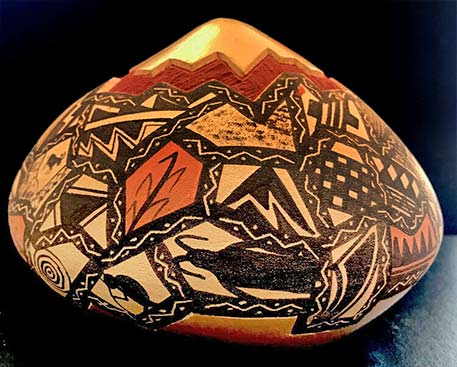
Lawrence Namoki — Hopi ‘Ancient Ones’ Awatovi Pottery
Lynda Benglis ‘Stacked Forced Bunch’
1993 glazed ceramic Height 28.5ins
Cedric Massier – Boutelle
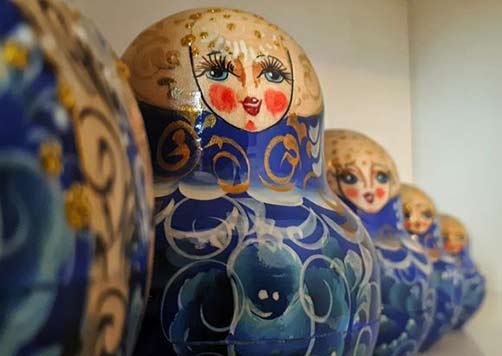
Matryoshka dolls otherwise known as Russian nesting dolls are one of Russia’s most iconic toys and vintage symbols
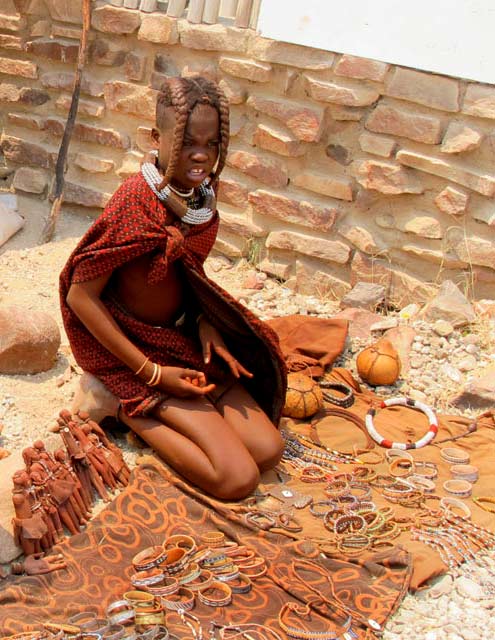
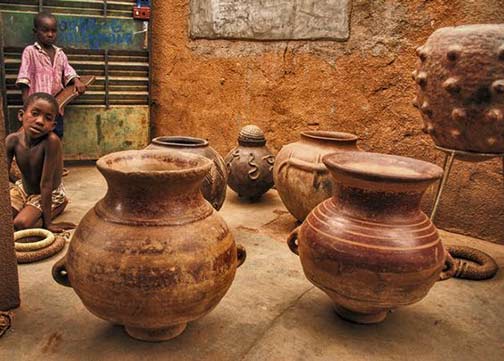
Namibian girl selling clay figures and native jewellery
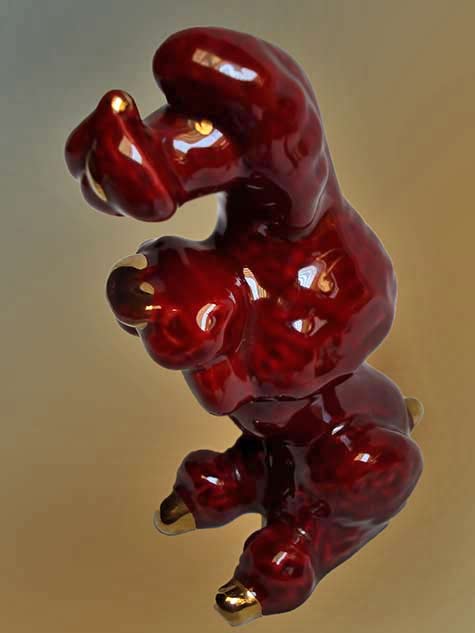
Red poodle figurine of St Clement
1930
Linda Damgoor – ‘Kandinsky’
Stoneware vase with stains, white glaze
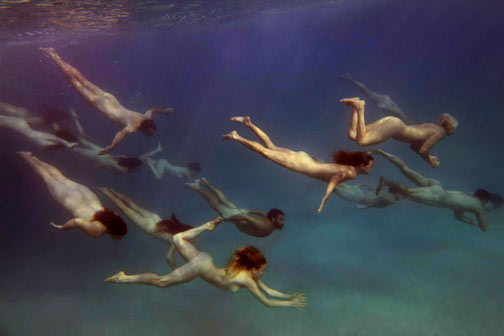
Mia Tyson underwater sea nudes vessel
Mia Tyson — underwater ocean-scape b/w vase
(luvin’ the foreground hand perspective)
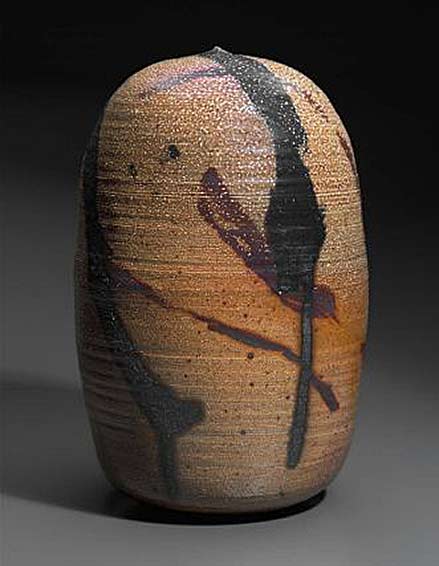
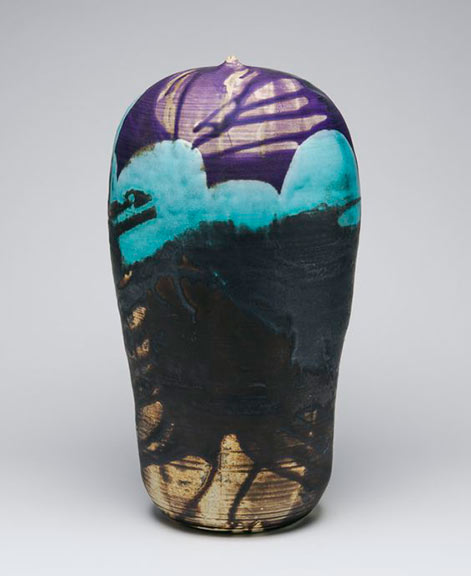
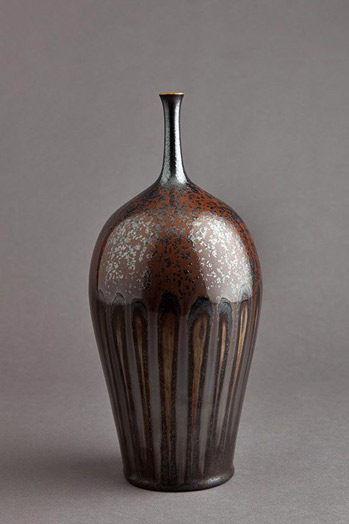
Toshiko Takaezu — Closed form with reddish brown salt glaze. Small aperture at the top.
Mette Maya – abstract polymorpe vases
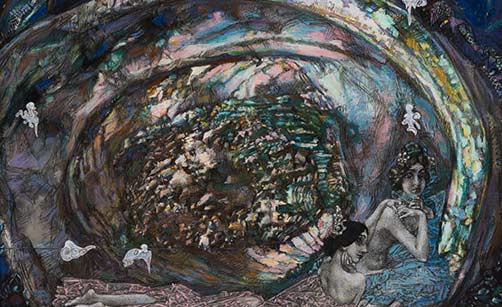
Mikhail Vrubel – ‘The Pearl’
Painted Pottery Jar made by the House of Art Albissola
Milan VI Art Triennial, Italy
‘Neighbours’ — Marty Ray
Paul Dimmer – ‘Antipodean Venus’ooo
Samarkand Artistic ceramics of Uzbekistan – Chris de Fernandez
Antique Japanese porcelain vase
Fukagawa Meiji period 19th century
Red goat figurine ceramic handmade — original design
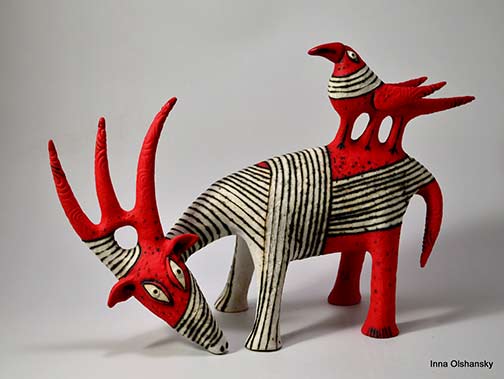
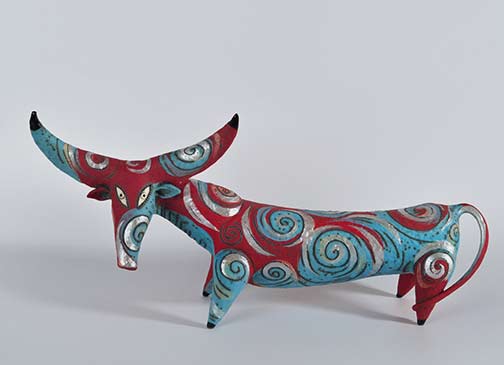
Red ceramic bull sculpture – Inna Olshansky
Cubist Art Deco vase — Rene Buthard
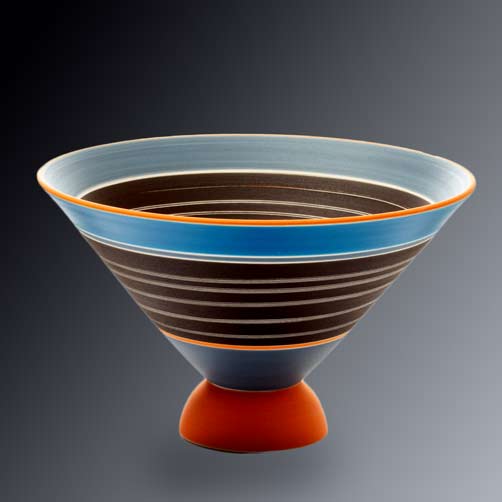
Thrown porcelain footed bowl — Graham Williamson
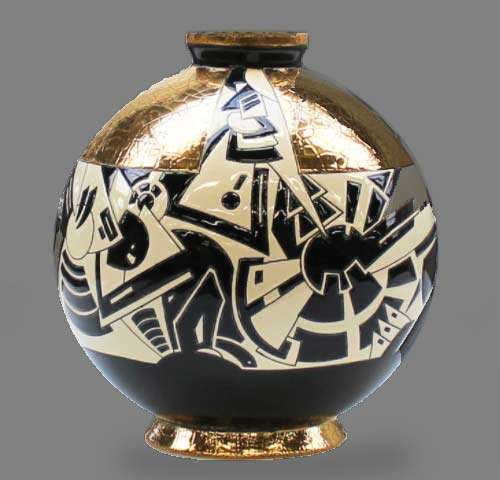
The Flo Motifs ball by Nicolas Blandin for Longwy
Mirta Morigi Ceramica
Italy
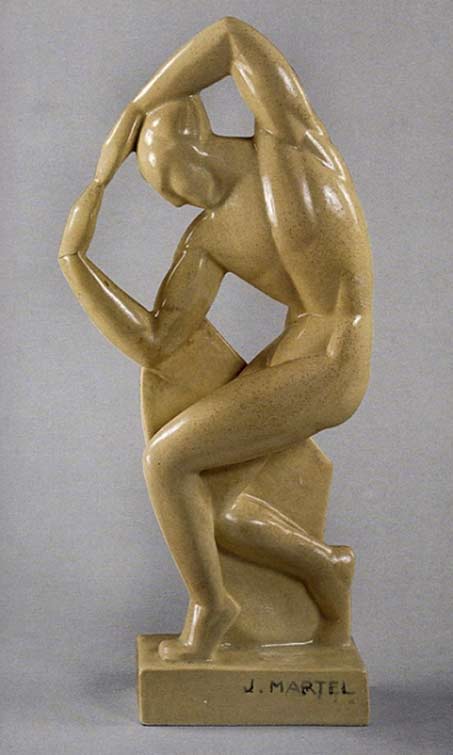
Art Deco ‘Danser Malkovsky’ – Ceramique craquelee figure – Joel Martel
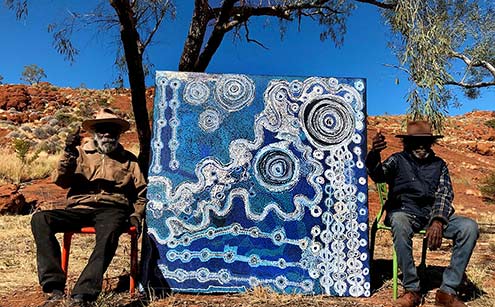
Collaborative painting – Taylor Wanyima Cooper & Witjiti George – new maps for ancient earth – to remind us of Tarnanthi’s ‘call to rise forth, to keep moving and keep inventing’
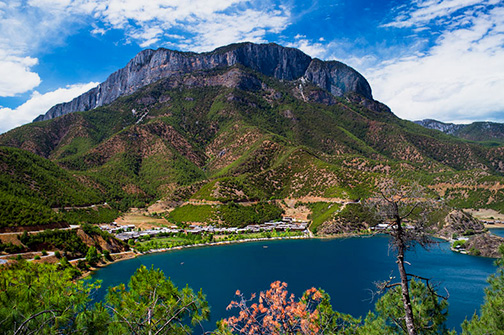
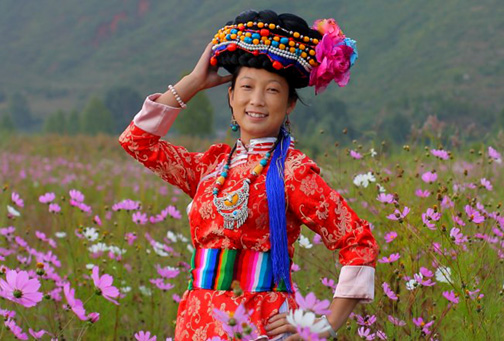
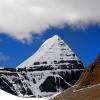
Gemu Mountain Goddess in the distance — Yugu Lake, Yunnan
Elevation – 37o metres
The lush Yunnan province, in the far eastern foothills of the Himalayas, is said to have as much flowering plant diversity as the rest of the Northern Hemisphere put together. The camellia is the floral emblem of the province, holding the same place in the hearts of its people as the kumquat and peach fruits do in other parts of China. The sacred Gemu Mountain graces the edge of the pristine, deep azure blue Lugu Lake (also known as the Mother Lake} and serenely stretching along its sierra in the form of a woman in a sublime respose, resides a mountain Deity on her lofty throne. This was recognized by the ancient Tibetan tribes of the Mosuos as a good omen for the region and especially because of their matrilineal traditon, they were encouraged to adopt this secluded location for settlement.
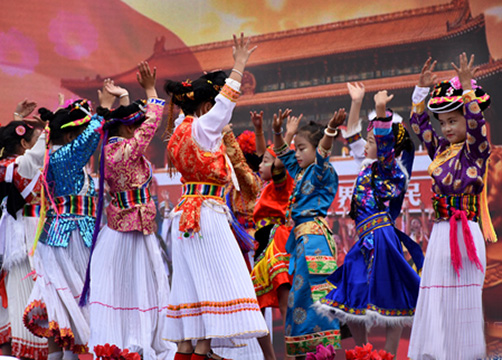
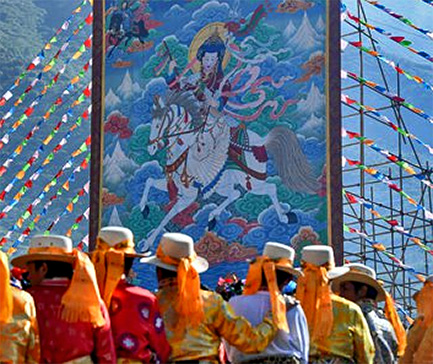
To this day in this remote utopian encleve, they still hold annual celebrations for the remarkable Gemu Mountain Goddess on the seventh moon of the lunar calender, with music, dancing and circumnabulations of the mountain, to honour her as their protectress and venerate her as a feminine fertility symbol and for a healthy harvests of their crops. Their deep reverence being transported from a diistant past that reaches into times where the forces of nature ruled their instinctive perception and behaviour.
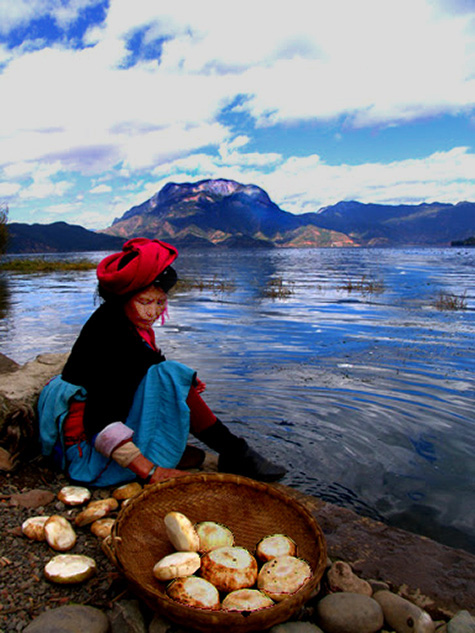
Mosuo women celebrate the Mountain Worship Festival (known as Zhuanshanjie)
Lugu Lake
Mosuo women celebration of the Mountain Goddess
Gemu Mountain — Lugu Lake
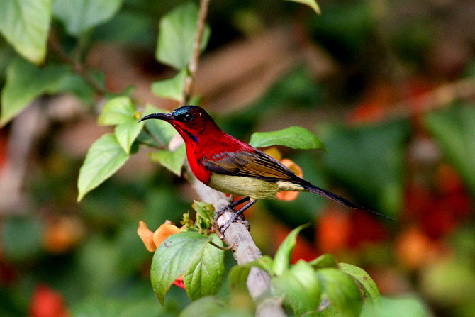
Valley of flowers at Yunnan
Yunnan bird
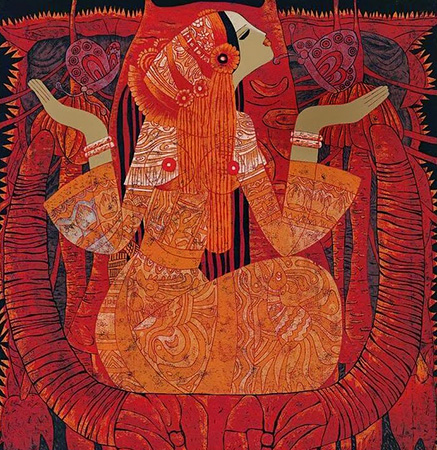
Chen Yongle—reduction block print
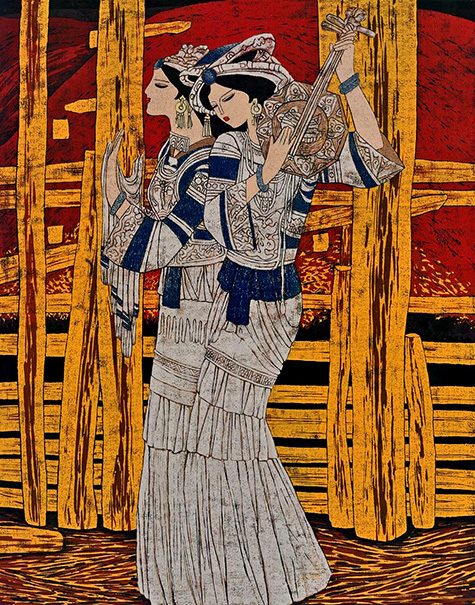
Yunnan Art School painting
Chen Yongle—reduction block print
More goddess icons and feminine archetypes
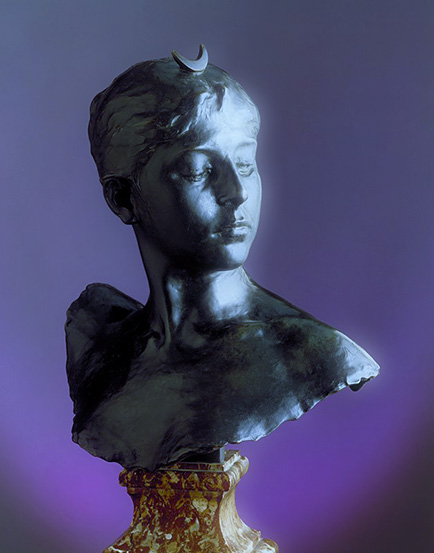
Jean Alexandre Joseph—Falguièreexpan—-‘Bust Of Diana’
19th Century
Kim Mccombs
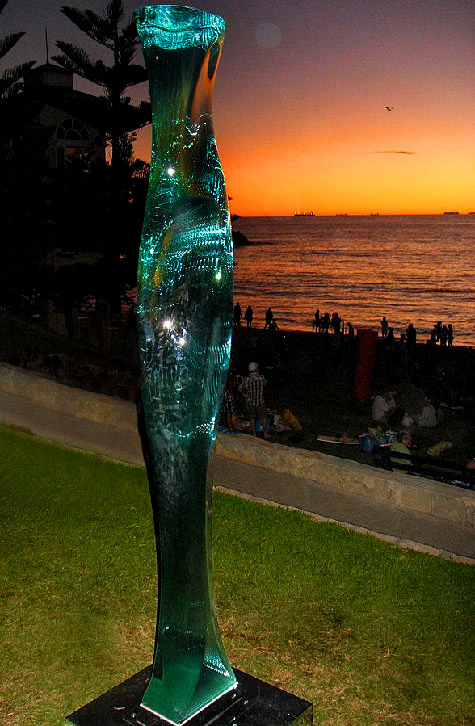
Glass pillar deity sculpture — Cottesloe Beach, WA
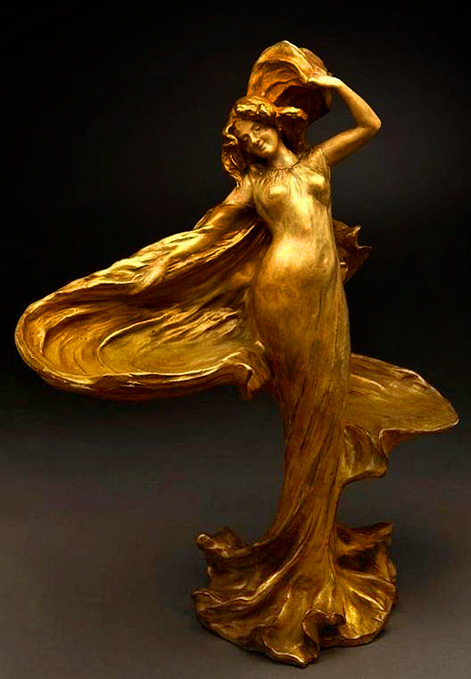
Dancing Marie Louise Fuller—Amphora
Europa, Pan and Dionysis — Barocca
France, 1995
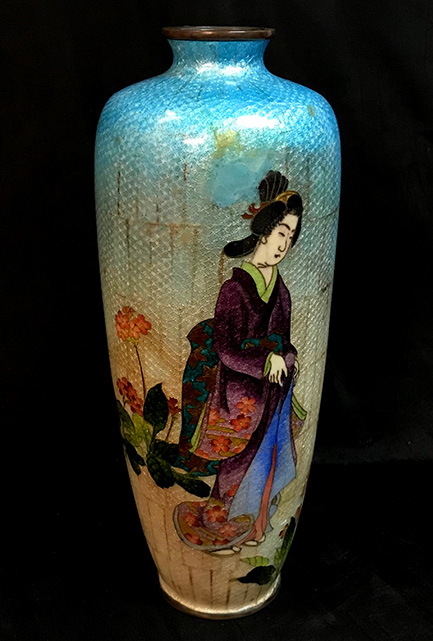
Japanese Meiji Cloisonne Ginbari Adachi Kinjiro Vase
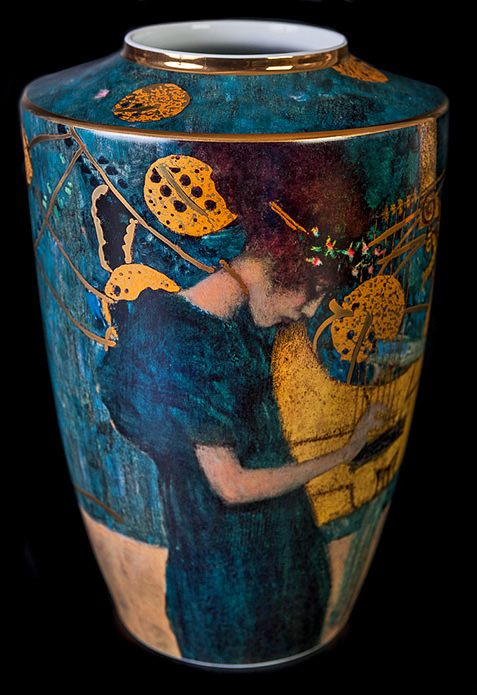
‘The Musik’ by Gustaf Klimt
‘Shift of Consciousness’ – Sculpture by Egor Zigura
Feminine Reflection – French female nude sculpture
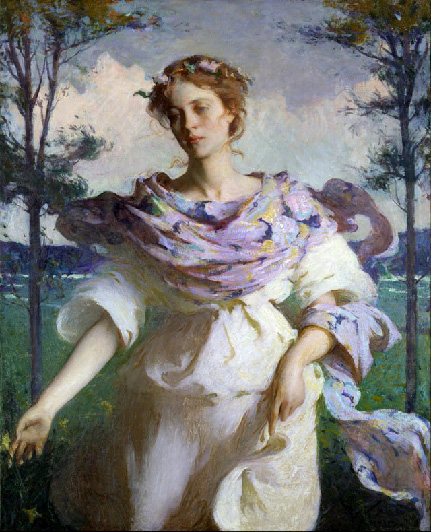
Frank W. Benson— ‘Summer’
1890
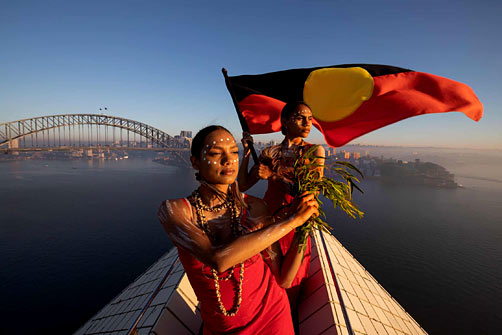
Indinginous girls at Sydney Opera House
Alexande Archipenko,- ‘Woman in Fur’
1936
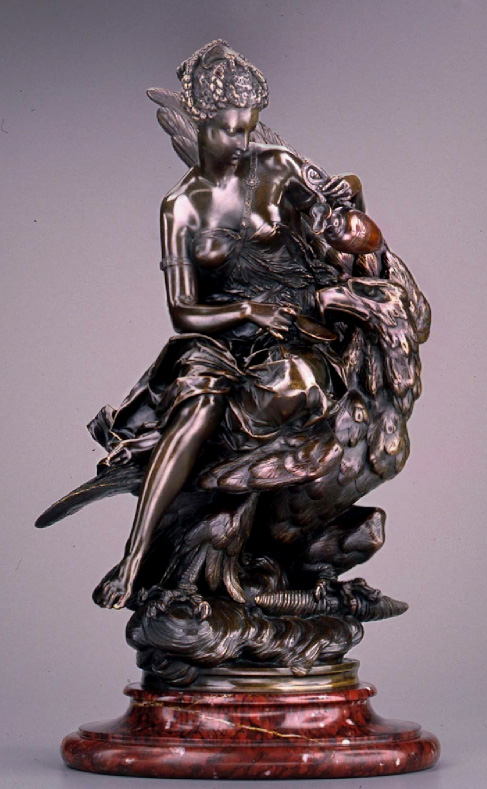
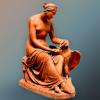
Albert Ernest Carrier Belleuse – ‘Hebe and the Eagle of Zeus’
As the Goddess of Youth, she was the cupbearer who filled the nectar bowls and served ambrosia to the gods.
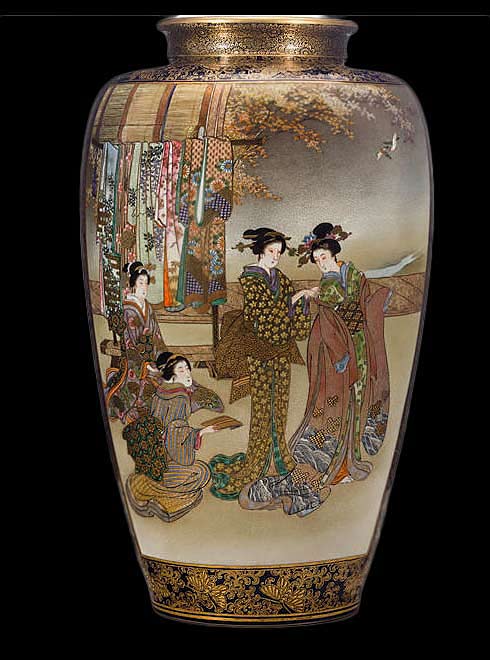
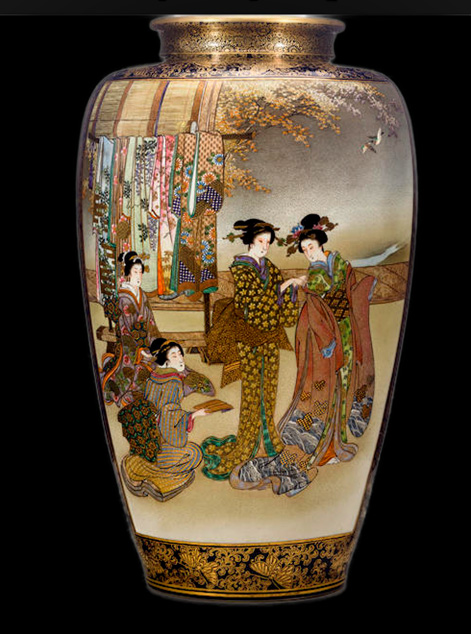
Exquisite Satsuma Geisha vase by the Kinkozan studio
Meiji period (late 19th century)
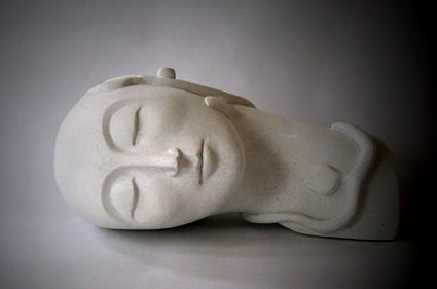
Prophetess of Gaia – ‘Pythia Dreaming’ cast marble — Joan Relke
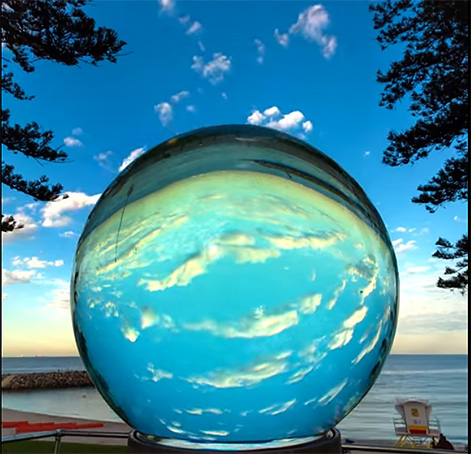
‘Horizon’ inversion glass orb by Lucy Humphrey
Japanese Geisha vase
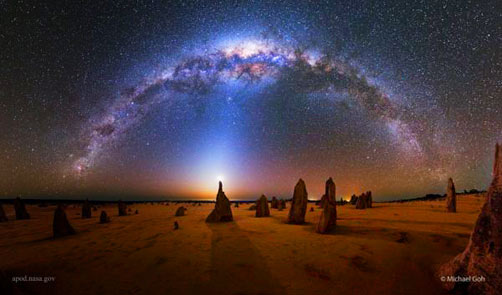
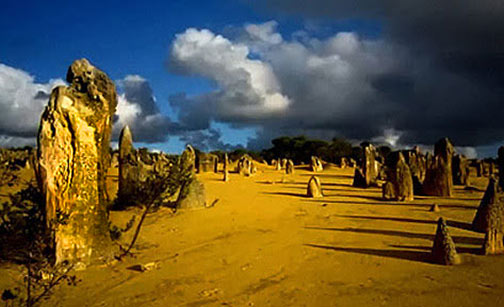
Pinnicle Desert
King Neptune, (Pinnicle desert)
‘At the dance II’ — Michelle Gregor
‘Windy Tree’ – Michelle Gregor
Ceramic cone 5 oxidation multifired with stains and glazes
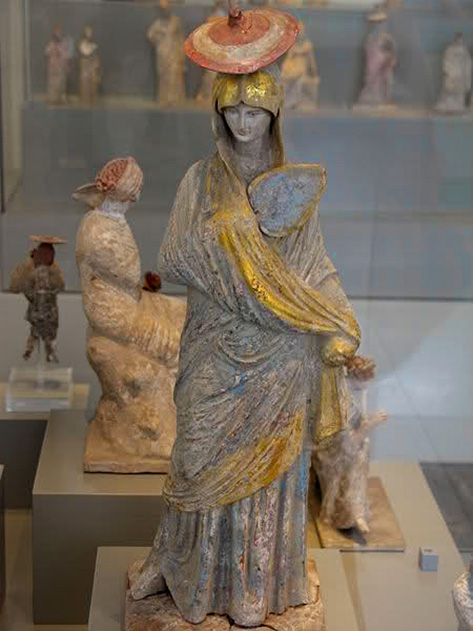
Grecian Tanagra statue – Woman with the blue coat and Chapeu
320 BC
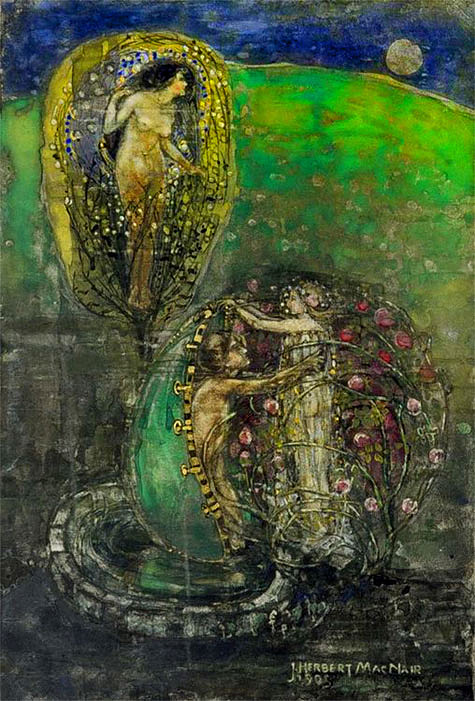
Tamlaine by Robert Macnair
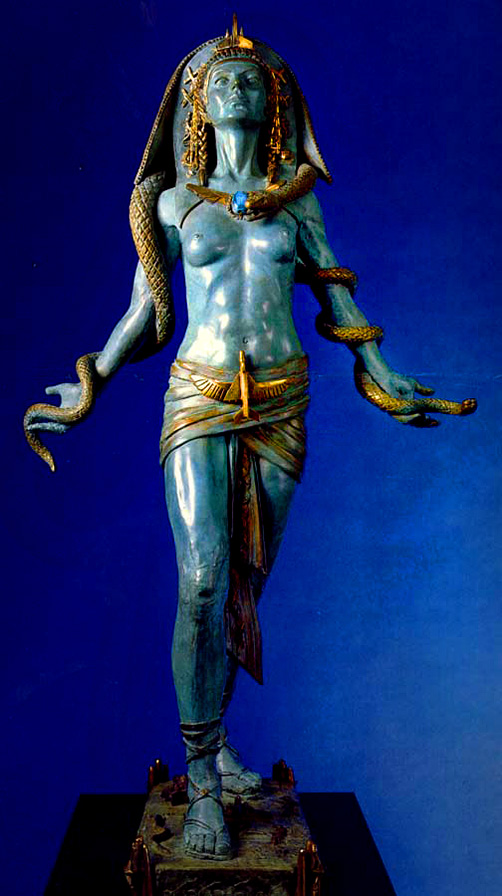
‘Egyptian Rocket Goddess’ — Audrey Flack
Beauty, transcendance, and strength were some of the attributes the sculptor considered.
‘Endangered’ – Tamara Dean
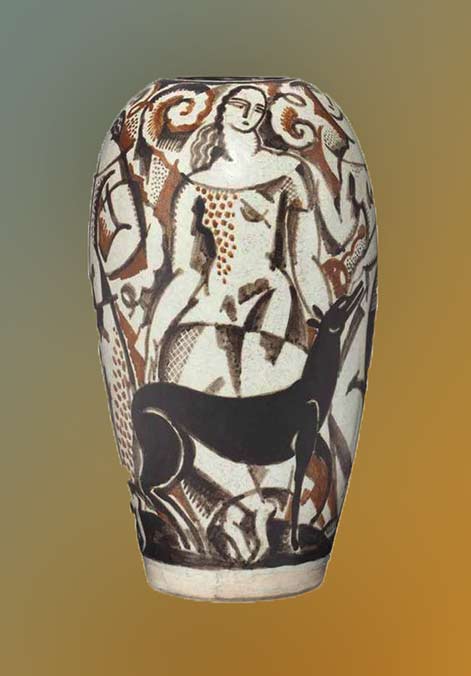
Grecian woman and antelope profile – Suzy Birnstein
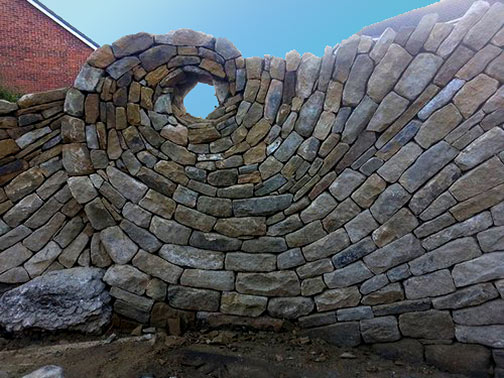
Stonewall Spiral sculpture
Natural Moai aerial landscape figure
Keep River National Park, NT, Australia
Wastelands – Notturno Piu
Rebecca Fontaine Wolf
Rebecca Fontaine Wolf
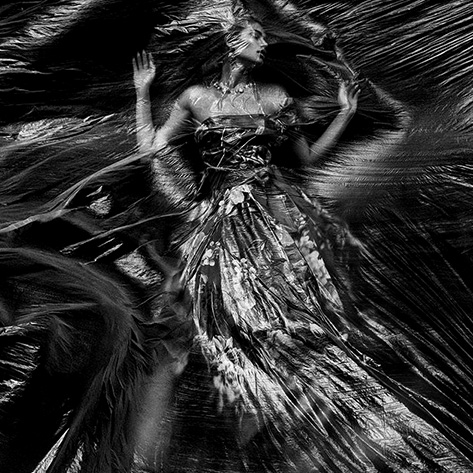
To me images have the ability to turn ordinary people into icons, to encapsulate all their beauty whilst erasing any trace of a banal existence
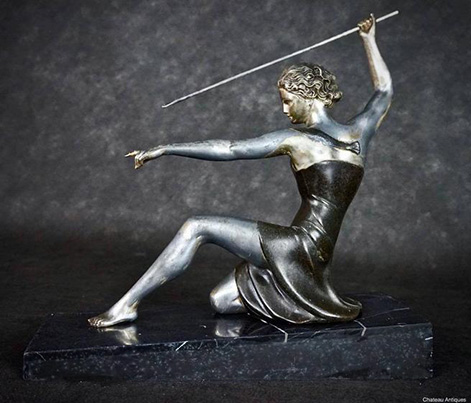
‘Diana the Huntress’ French Art Deco sculpture by Uriano
Sevres vase decorated by Susanne Kaehrling
1937
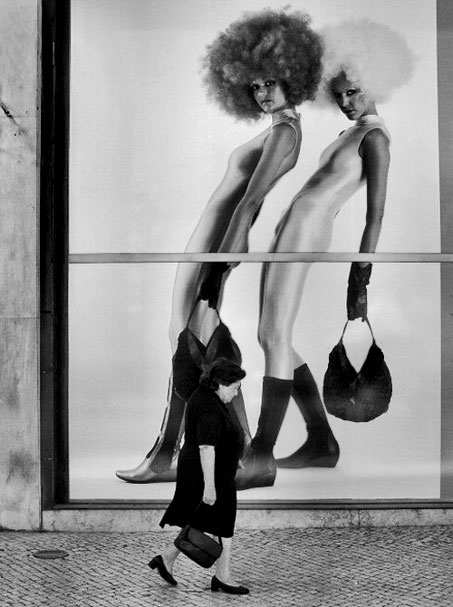
Valentina Sampaio, Vogue Portugal
Photo — Luis Monteiro
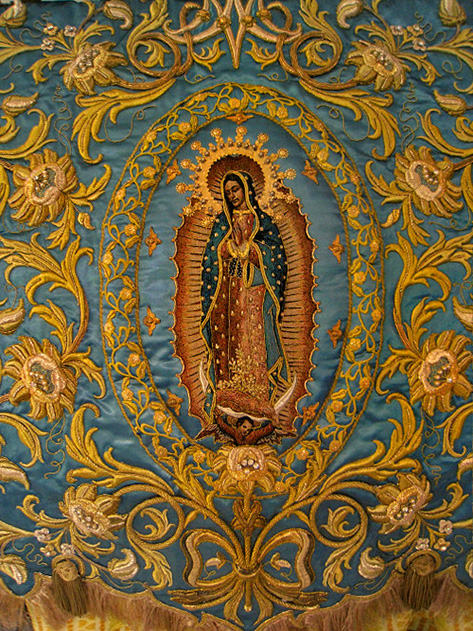
Lady of Guadalupe — Vincent Canlas of Nuevo Siglo
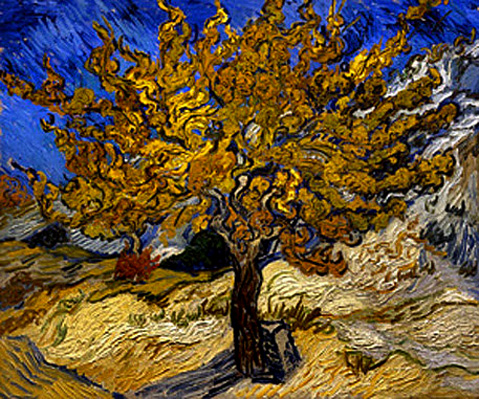
Vincent Van Gogh — ‘Mulberry Tree’
Edouard Cazaux—-Firebirds charger
Vickie Quandelacy –Zuni corn maiden
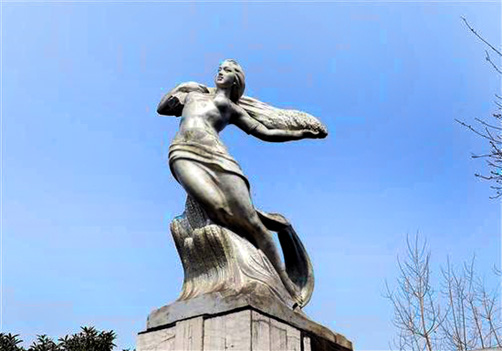
Chongqing sculpture
Shibanpo Yangtze River Bridge – two of the four Seasons sculptures at the location – these were the first nude public sculptures in China. Cast in aluminium, they stirred up controversy and had to be thinly veiled.
Hand painted amphora with anicient Goddess motif, Moldova
Patricia Griffin ceramic lidded vessel
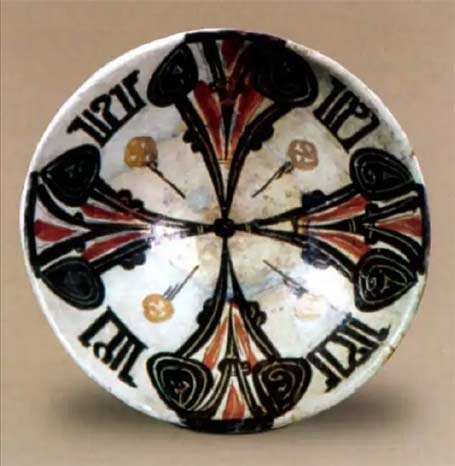
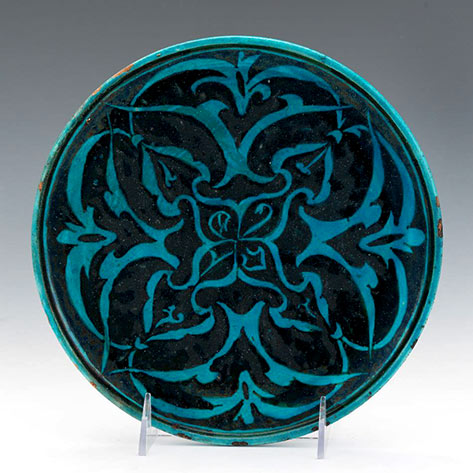
Persian Ceramic Plate c19th Century
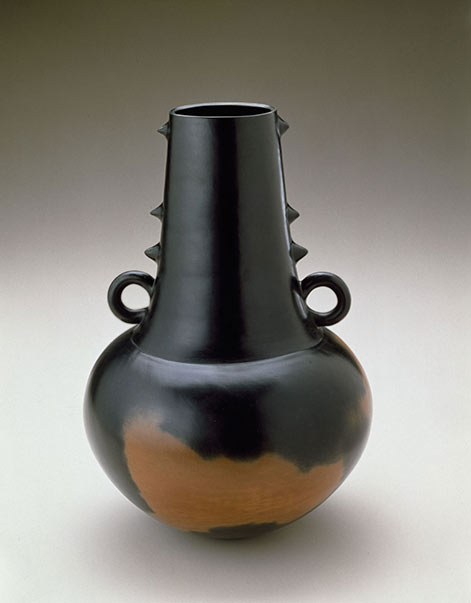
Magdalene Anyango N. Odundo burnished vase
H-16 ins – 1990
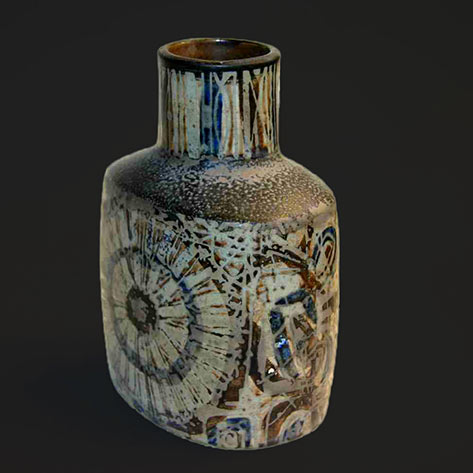
Royal Copenhagen – Thorsson Bacca tie dye vase
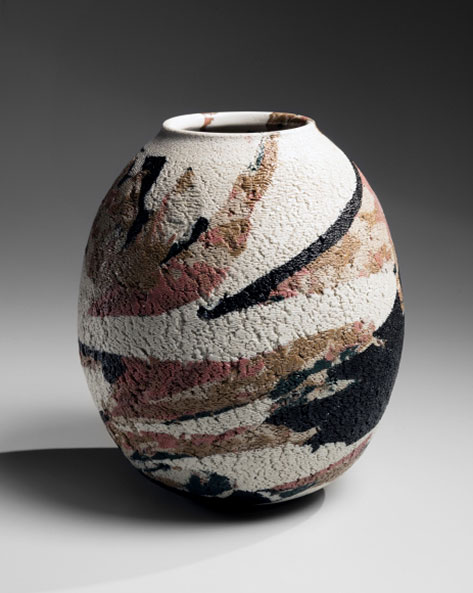
Ovoid Neriage vase – Matsui Kosai
Vase by Rudolf Staffel, American, 1911-2002
Philadelphia Museum
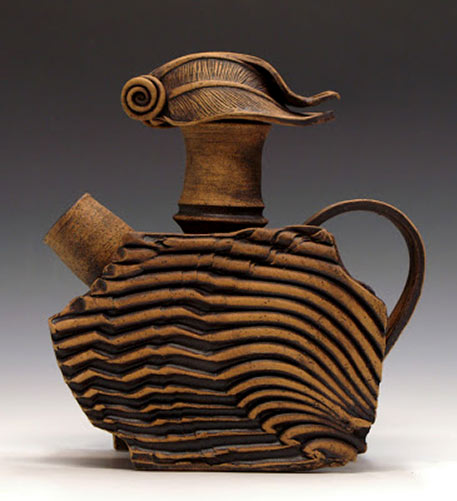
Sandy Terry hand-built and wheel thrown decorative wirecut teapot
2016
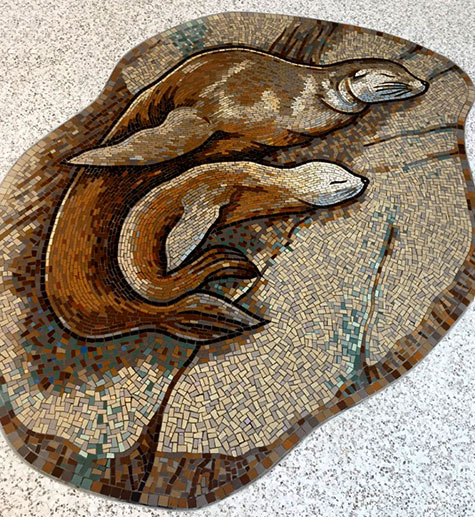
Sea lion and pup mosaic floor panel – Gary Drostle
Lucile Packard Children’s Hospital Stanford in Palo Alto, CA
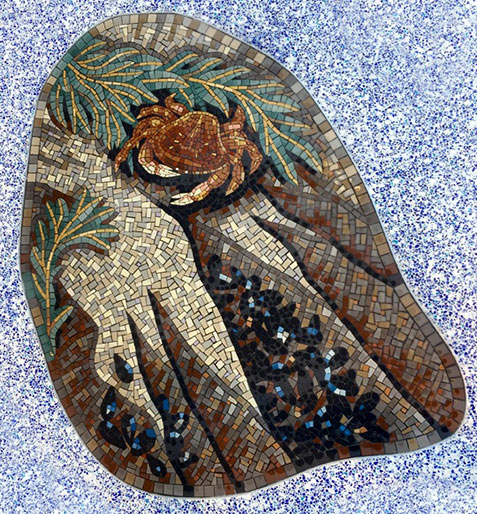
Gary Drostle — Dungeness Crab and mussels mosaic panel
Aiko Takamori — ‘Blue Nude Figure’
22.5 x 14 inches
Phoenix Majolica Vase – TFS Ltd
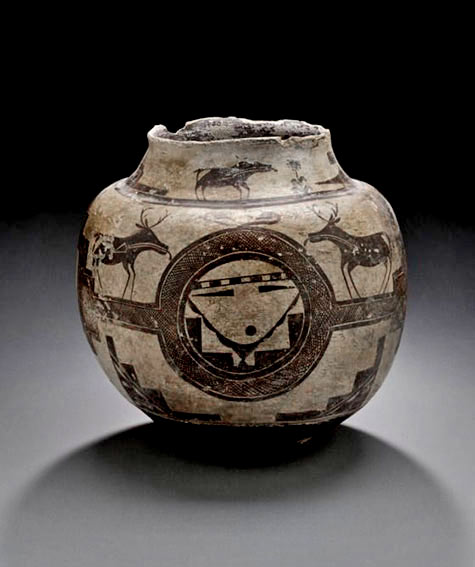
Kiapkwa Polychrome Water Jar United States, New Mexico, Zuni Pueblo, Zuni
circa 1840-1850 Earthenware and pigments Height– 14 .5 in
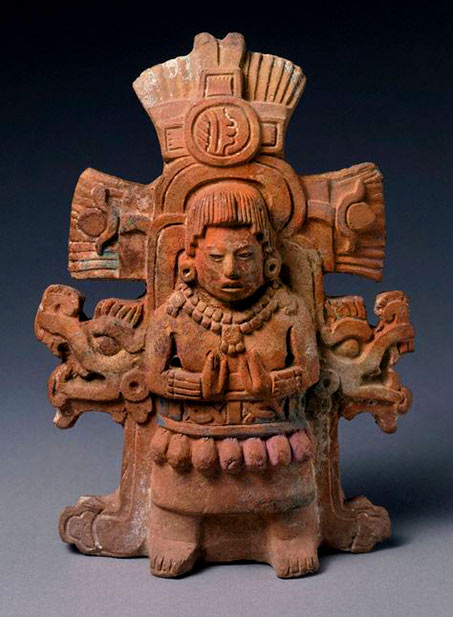
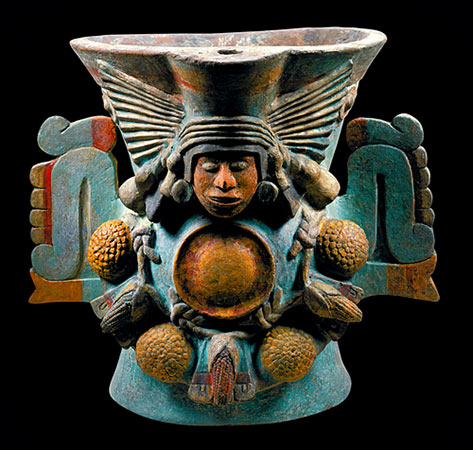
Large Aztec Winged vessel – Goddess of Maize temple vessel
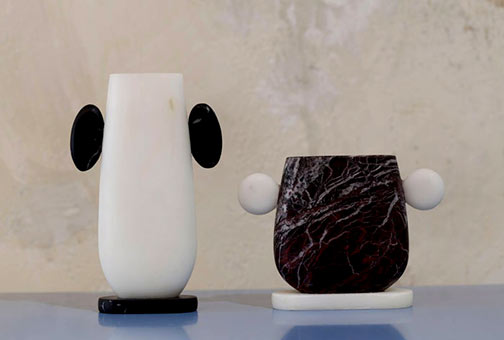
Vases in Rosso Levanto and Bianco Michelangelo Marble, by Matteo Cibic,Italy
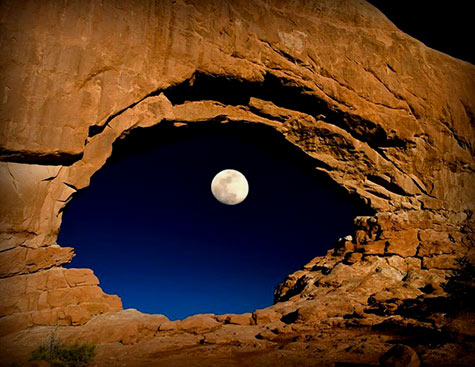
Full moon through North Window Arches
National Park, Utah, USA
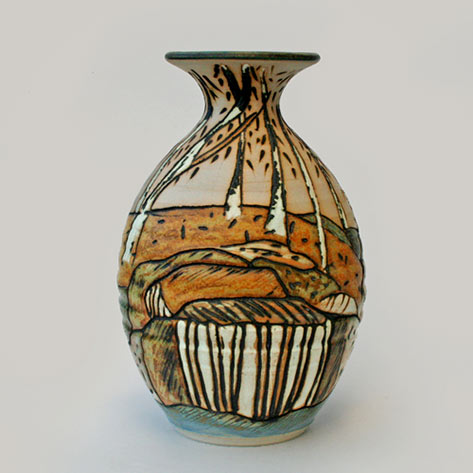
Tina Banitska Vase – Springmount Pottery
Creswick Victoria, AUS
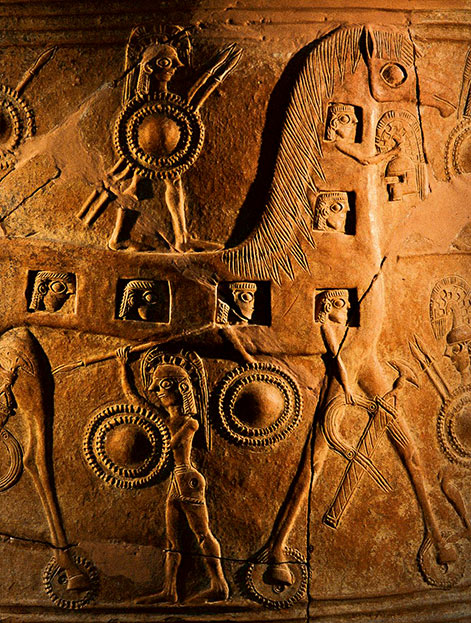
This 7th-century B.C. amphora relief has the earliest known depiction of the Trojan horse and shows the Greek warriors hidden inside.
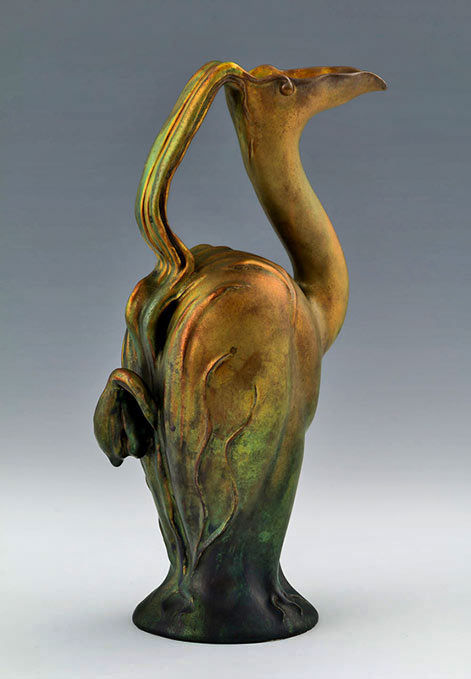
Zsolnay Pitcher shaped like a bird
1898-1899, stoneware, eosyna lustre glaze
Janus Pannonius Múzeum
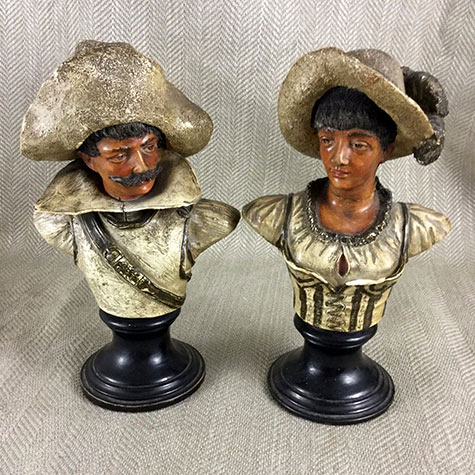
Victorian Bust Terracotta Figures Pair – Johann Bloch
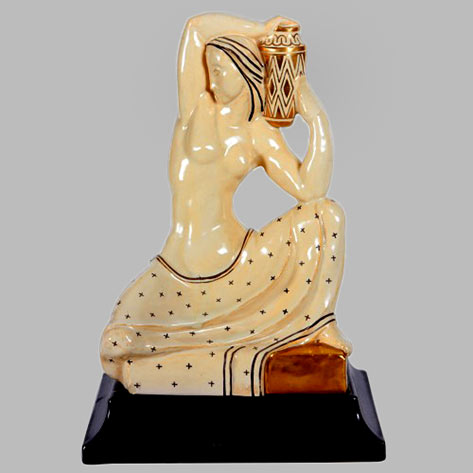
Walter Paul Suter American Art Deco glazed pottery sculpture
1929
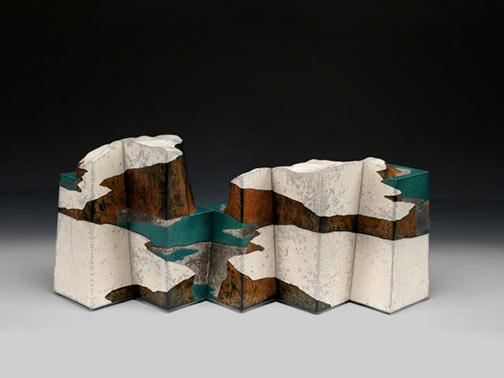
Wayne Higby, ‘Temple’s Gate Pass’
1988, Smithsonian American Art Museum
Yoko Komae
Yui Tsujimura pottery
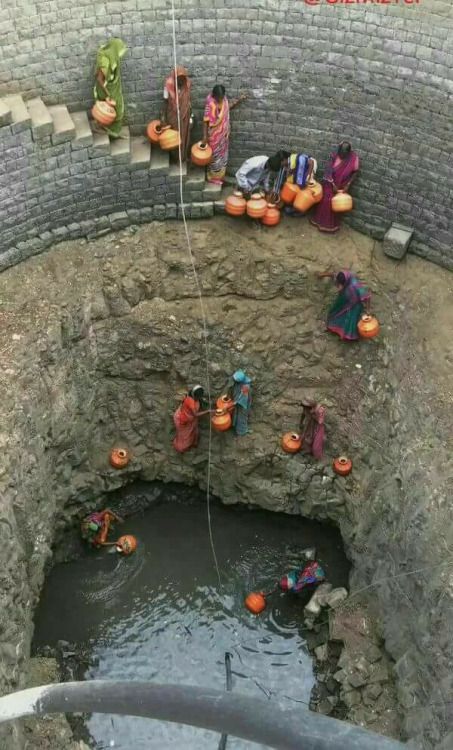
Precious water deep well
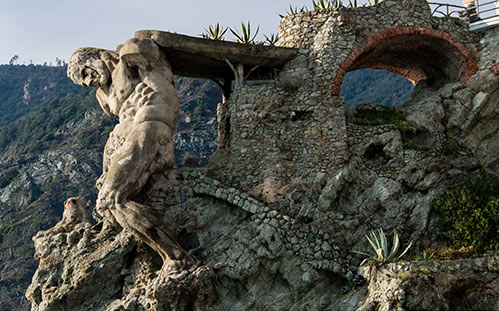
Cinque Terre Monterosso Neptune statue
Italy
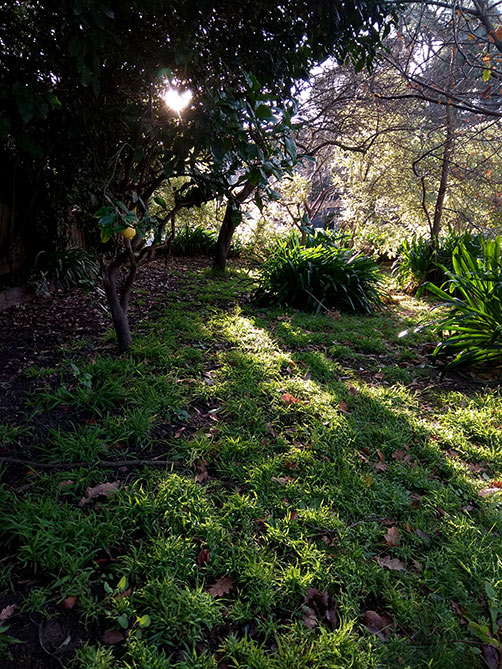
Solo lemon, morning sunbeam heart
The lemon tree in my garden has been barren for seven years and it recently produced a lemon. On capturing this achievement for the record I unknowingly got the bonus of an early morning sunlight heart.
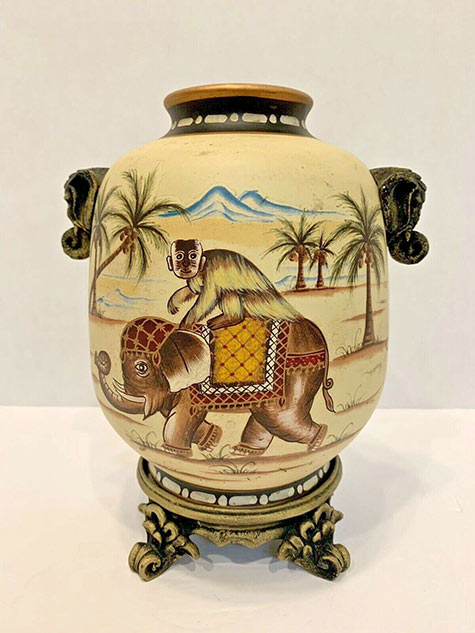
Vintage India Hand painted Porcelain Vase-Monkey Riding Elephant
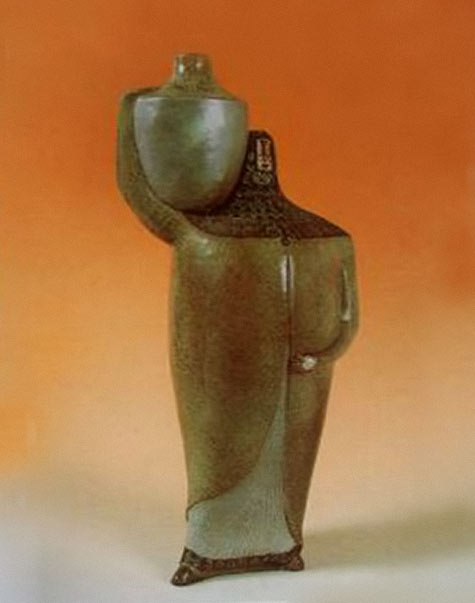
‘Le Dieu De La Ceramiche’-(God of Ceramics) – Francois Raty
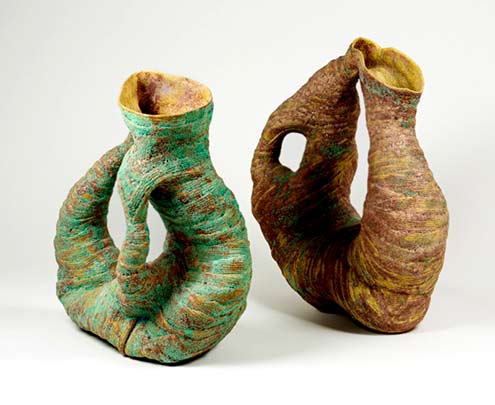
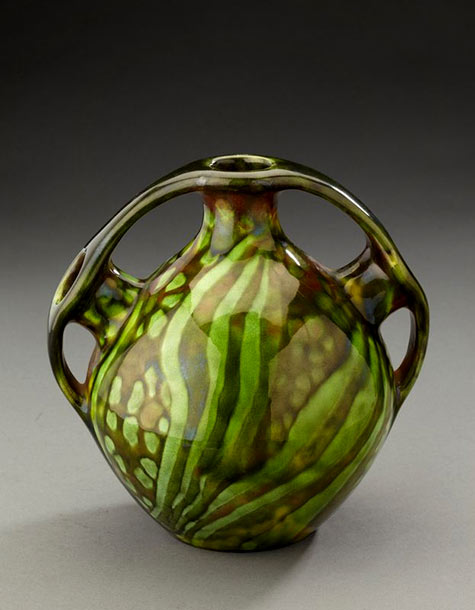
Ovoid vase with three constricted necks connected by a glazed ceramic handle yellow tinged green decorated with geometric patterns.
Vilmos Zsolnay 1900
Bruno Anders large 21 inch tall abstract ceramic vase
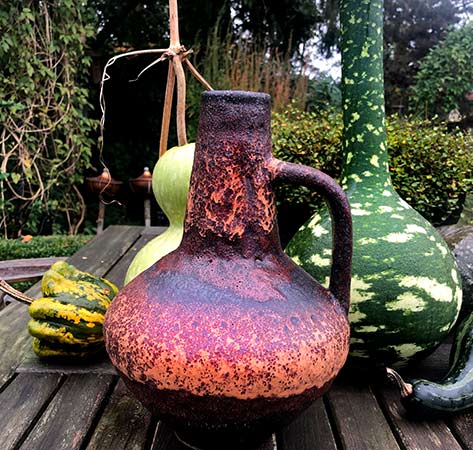
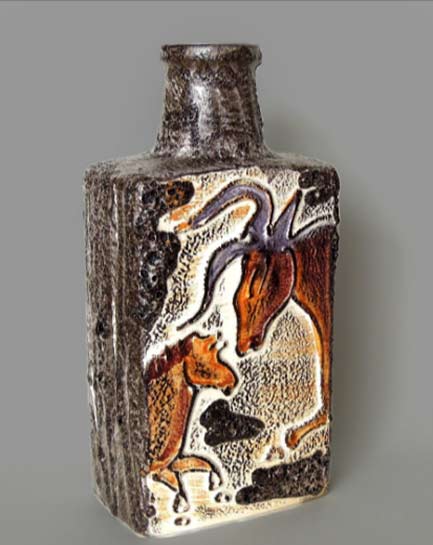
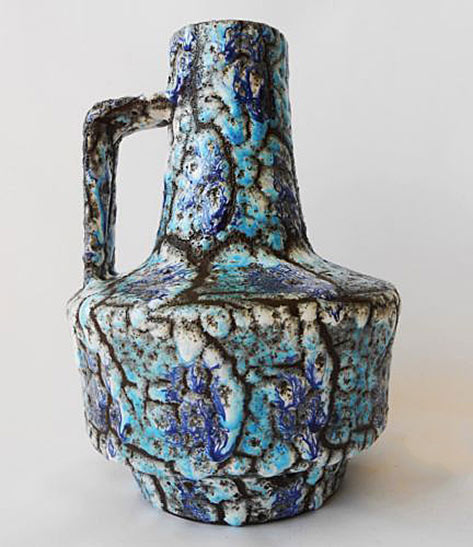
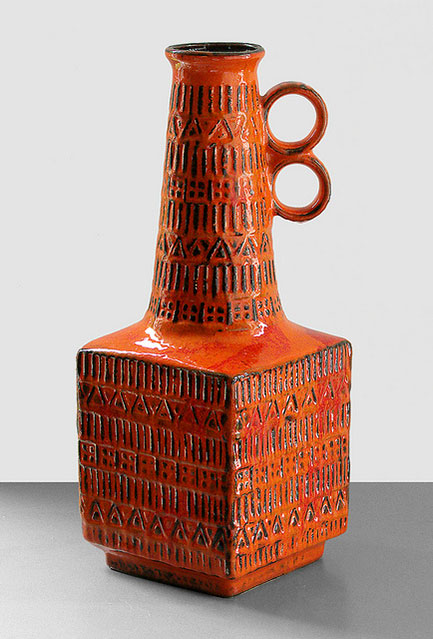
The Lava glaze ceramics of the 60’s were an extension of the Bauhaus design concept of creating affordable decorative arts for mass consumption during the middle of the 20th century. The manufacturing process was simplified with the use of pottery casting molds and the application of a diverse array of imaginative glazes by the enamelers and glaze technicians.
‘Portrait of a muse’ painting by Mariano Fortuny, 1935
Portrait of Henriette Fortuny in Pompeian costume with a Delphos dress and Knossos scarf designed by Mariano Fortuny, printed with geometric, asymmetrical patterns and motifs inspired by Cycladic art
There are numerous legends associated with the The Camino de Santiago, also known as the pilgrim’s “Way of Saint James”, involving the portents of rooster resurrection and crowing to prove a man’s innocence.
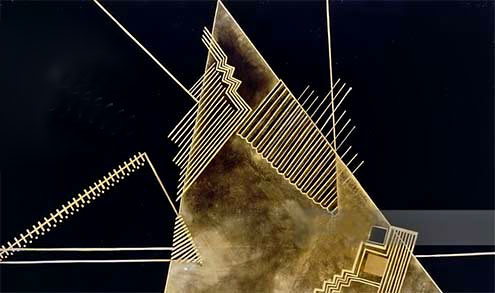
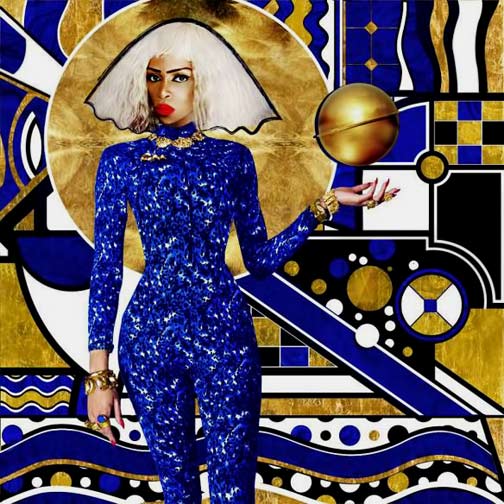
Golden disks, orbs and triangles arranged with an array of sacred precision, iconography and Egyptian art deco geometries, boldly infused with electric blues, white and black to conjure a transcendent whole.
‘Obscurio’ is a term I use for pieces that arouse curiosity but have their meaning obscured, either by vague, incongruous visuals, lack of information in the title or deliberate concealment.
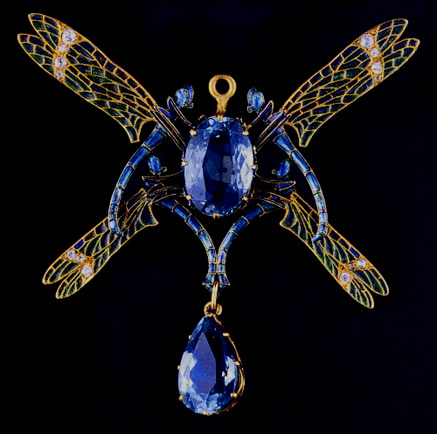
Entering the elegant world of Rene Lalique can be spellbinding and it’s easy to be off with the fairies, sirens and nymphs in a forest of serpents, dragonflies, ravens, swans, bats, gazelles, butterflies and other exotic creatures from the Nouveau repertoire.
The originator of raku in Japan was Sasaki Chojiro, who first produced raku pieces for the Japanese tea ceremony in the 16th century. He learnt the technique from his father Ameya, who was trained in the Ming Dynasty Sencai pottery tradition and was brought to Kyoto, Japan from China.
The Roman rule of Egypt from 30 BC to 395 AD led to Roman decorations incorporating Egyptian motifs and an increased interest in Egyptian culture. During the Italian Renaissance “Egyptomania” resurfaced.. read more
Celebrating the potters and pottery companies that have been recognized for their contribution to the ceramic arts with their unique designs, innovations and classic creations and their influence in introducing new styles and movements in the field of ceramics.
Many Mid-Century collectors covet a Marcello Fantoni piece for their flair and originality. Fantoni’s ceramic designs came to embody the timeless appeal of classic and traditional Italian pottery merged with challenging modernist and progressive movements. Read More
Koan : Once a division of the Japanese army was engaged in a sham battle, and some of the officers found it necessary to make their headquarters in Gasan’s temple. Gasan told his cook: “Let the officers have only the same simple fare we eat.” This made the army men angry, as they were used to very deferential treatment. One came to Gasan and said: “Who do you think we are? We are soldiers, sacrificing our lives for our country. Why don’t you treat us accordingly?” Gasan answered sternly: “Who do you think we are? We are soldiers of humanity, aiming to save all sentient beings.”
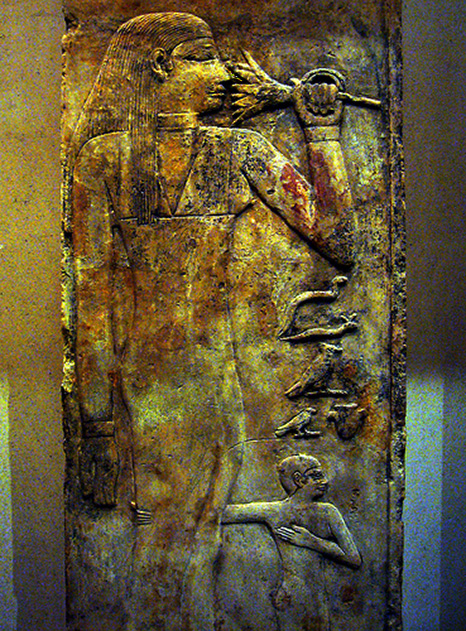
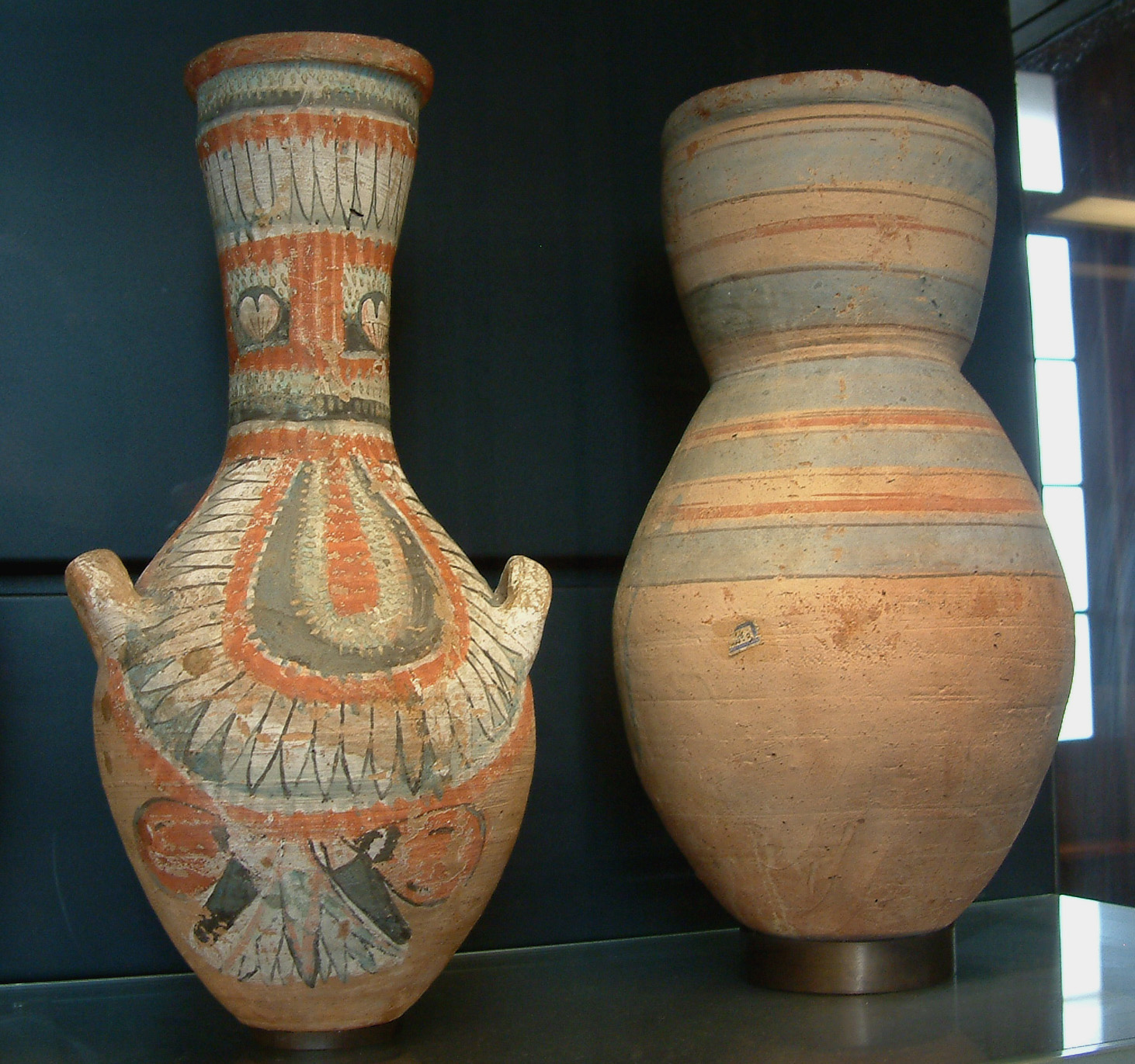
The ancient Egyptians were gifted artisans and pottery was an art where they excelled. Egypt in the pre dynastic period produced pottery of very high quality From 3000BC on their pottery was decorated with depictions of animals, humans, boats and various other patterns and symbols. Two main veins of pottery existed during this period, pottery from Nile clay ( red/brown after firing ) and pottery from marl clay ( usually polished to give a lustrous look ).
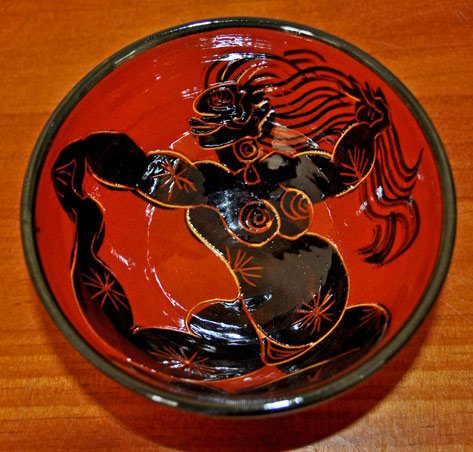
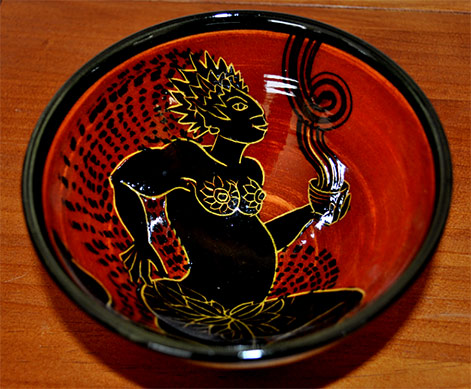
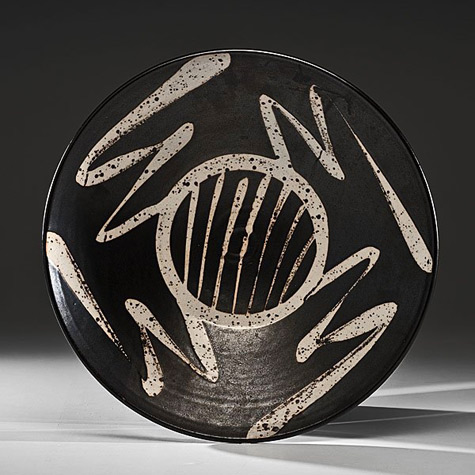
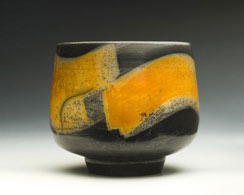
The bowl in the top right corner of this page was created and photographed by ceramicist/photographer Philippe Buraud at la porte du soleil