
Satsuma Pottery of Japan
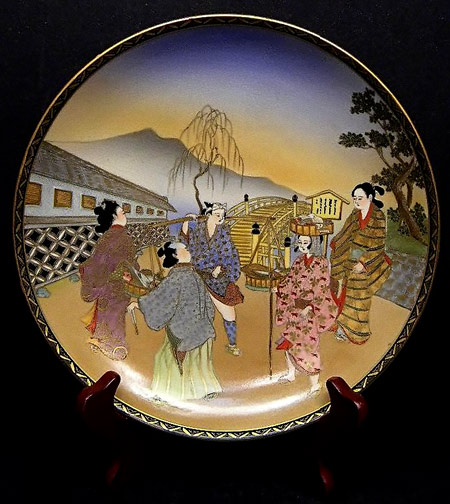
Satsuma ware originated when the Shimazu prince of the Satsuma domain in southern Kyūshū abducted skilled Korean potters after Toyotomi Hideyoshi's Japanese Invasions of Korea to establish a local pottery industry.
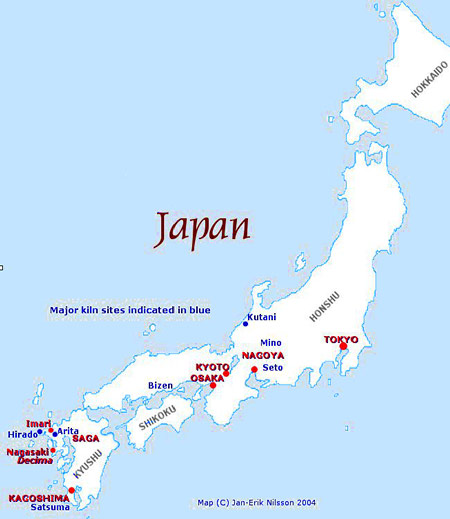
Satsuma pottery dates back to the 16th century and is still produced today. This region in southern Japan is around the Kagoshima region. The distinguishing features of Satsuma ceramics are they have an ivory, creamy or off-white and sometime beige appearance. The pottery is then hand painted with brightly colored enamels, gold and silver, in fine, intricate designs with careful attention to detail. They typically feature scenes from Japanese life, animals, flowers or landscapes. Gods, Goddesses and dragons are also well represented. The design is then covered with a thin translucent glaze which deliberately ends up with a crackled finish.
The designs also feature a form of decoration called moriage, which is a term used to describe the use of raised enamel on the surface of Japanese Satsuma pottery which lends an added effect to the pieces.
Although the term can be used to describe a variety of types of pottery, the best known type of Satsuma ware has a soft, ivory-colored, crackled glaze with elaborate polychrome and gold decorations. Similar to Staffordshire in England, the region of Satsuma became synonymous with the product, thus Satsuma ware was produced by a wide variety of artists and kilns over several centuries.
Although the glaze crackling ( called Kannyu ) make the ceramics look more antique in appearance, the effect was used more to give richness and depth to the colours.
The glaze was applied in thin layers and when heated sufficiently and cooled quickly, resulted in small hairline fractures that covered the entire surface.
The style and techniques of the Satsuma potters were highly admired and copied the world over. During the time that these original pieces were made, it was also popular for the potters to make small figurines of Japanese people. These were often caricatures of important people or of the Immortals, who also featured heavily in the decoration of the Satsuma pottery pieces. These figurines are highly sought after items due to the fact that they are rarely seen in the Japanese antiques markets. There are many other Japanese statues and figures on sale all over the world, but only a handful of them are truly from the region that made the Satsuma name famous and valuable across the world.“Satsuma Gosu Blue” were also produced in very limited quantity in Kyoto in the mid-19th century, and is now the most sought after of the Satsuma wares.
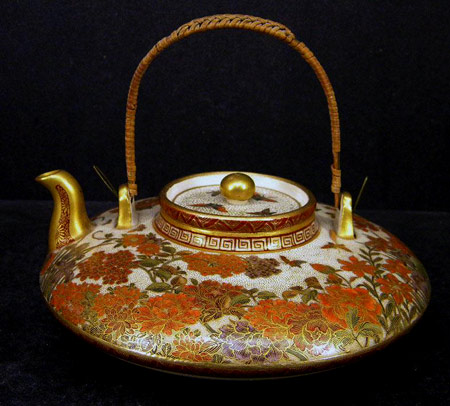
In 1793, Hoshiyama Chubei and Kawahara Houkou who worked at the Nagata Kiln at Katano in Satsuma went to Kyoto to learn techniques of Awata Ware from Kinkozan Sobei III.
From the end of the eighteenth century, ceramics with highly detailed painted decoration in thickly applied gold and colors were being fired at the Naeshirogawa kiln . Typically floral, stylized and geometric patterns were employed. Shishi, dragons and phoenix designs were also frequently depicted. Landscapes and human figures did not appear until the middle of the nineteenth century. The ability to create shades of color was also developed during this period.
Originally Satsuma wares were made for the Japanese household and not for export before mid-nineteenth century. They tended to be small and included tea bowls (Chawan), water jars (Mizuzashi), incense burners (Koros), incense boxes (Kogos), and vessels for flower arrangement (Ikebana).
In 1867 the Shimazu family exhibited their wares at the Paris International Exposition. The wares were well accepted, and a substantial export market to the West became established through this exposition.
Interest in the humble art of the village potter was revived in a folk movement of the 1920s by such master potters as Shoji Hamada and Kawai Kajiro. These artists studied traditional glazing techniques to preserve native wares that were in danger of disappearing. Later the Satsuma style was also duplicated by the potters in Kyoto, Tokyo, Osaka, Kobe, and Kanazawa. Stoneware and pure white porcelain were the favored mediums for Satsuma .
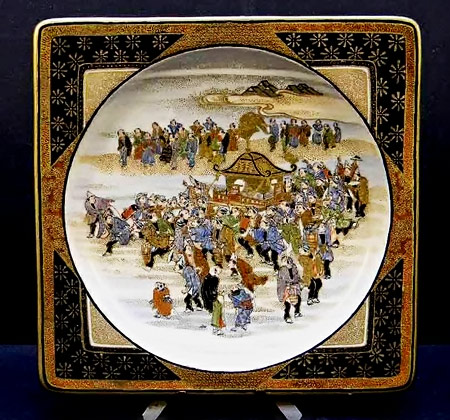
Square Satsuma plate
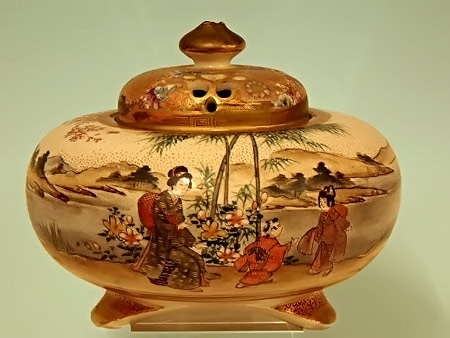
Satsuma Koro with Geisha
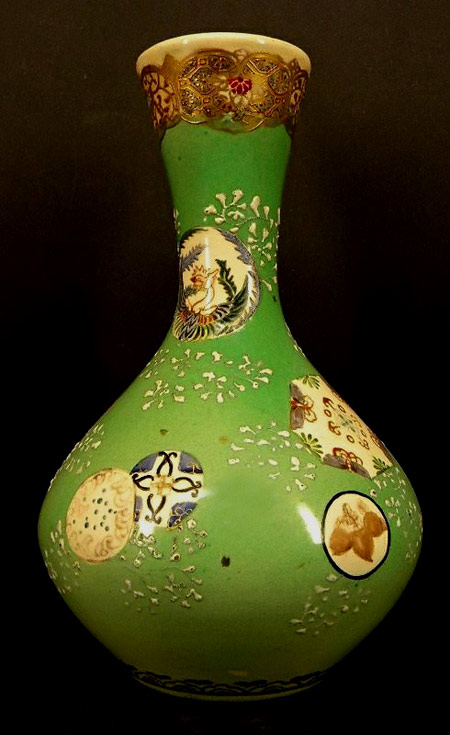
Satsuma vase Japan
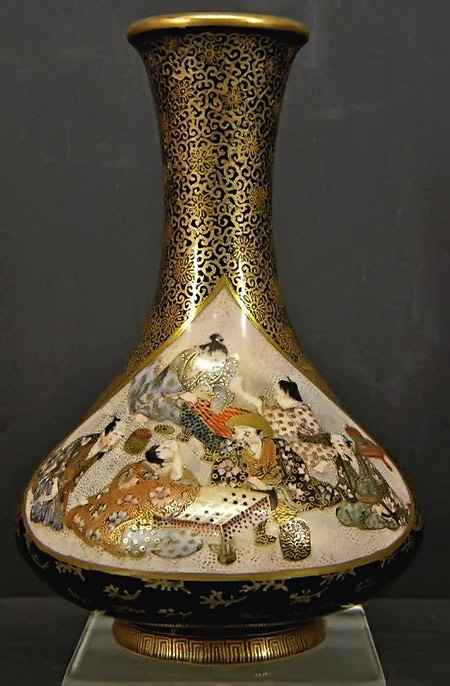
Antique Japanese Satsuma long-neck vase
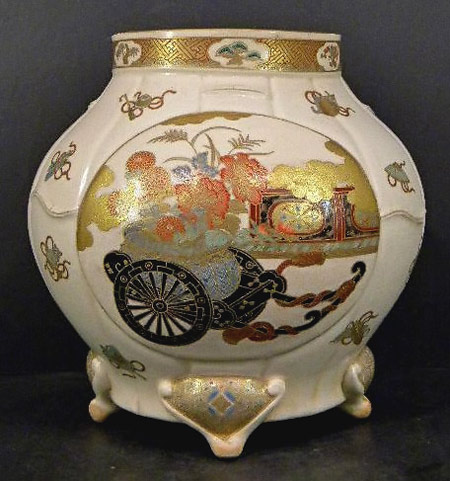 Japanese gosu-blue tripod Satsuma vase
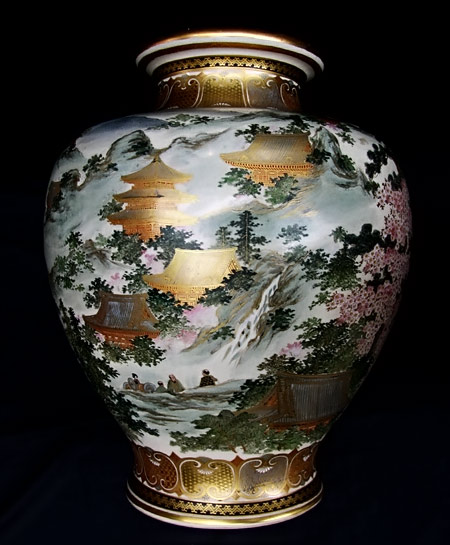
Japanese satsuma vase of baluster form Meiji,
Decorated withs mountainous scene, painted in enamels and gilt, the foreground with forests, lakes and waterfalls together with a palace and figures.
Signed: Satsuma yaki Choshuzan
Guest & Gray Antiques
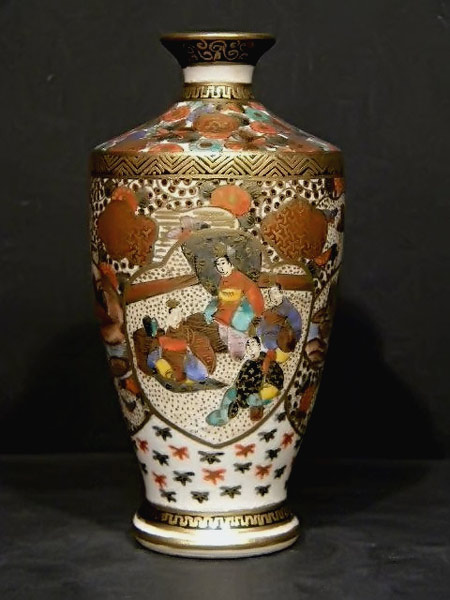
Satsuma Vase
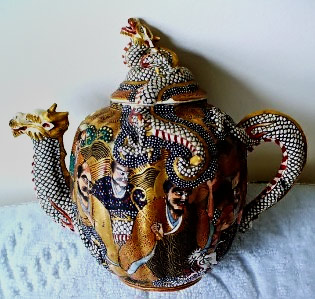
Satsuma Dragon Teapot
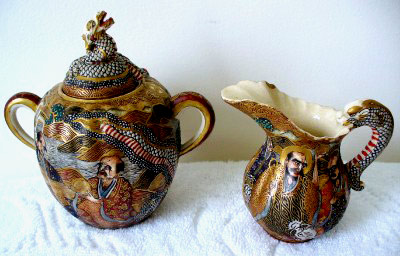
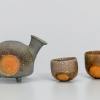
Satsuma tea set.
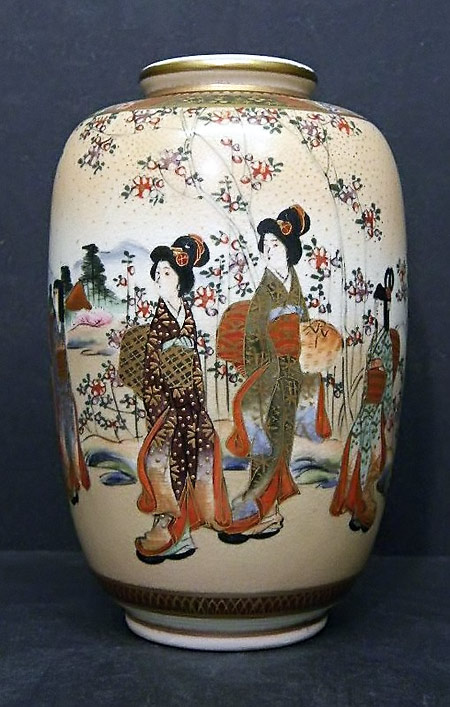
Satsuma Vase with two Geishas
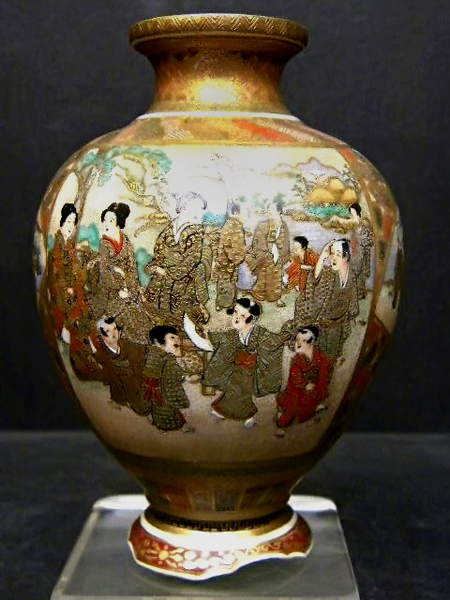
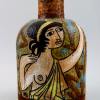
Japanese dancing girl Satsuma vase
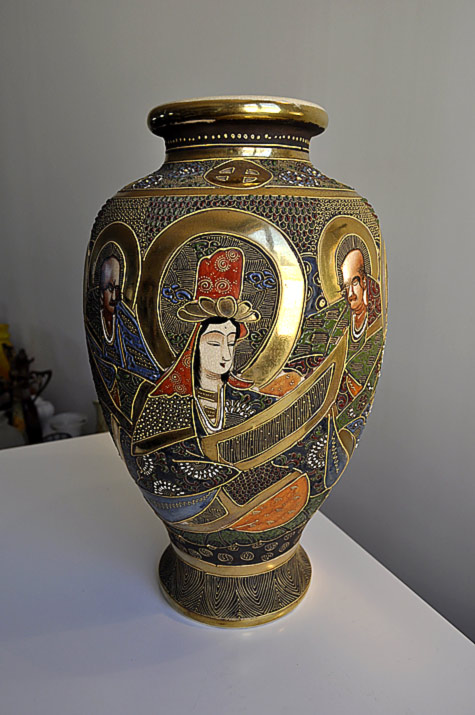
Satsuma Vase – height 38cm
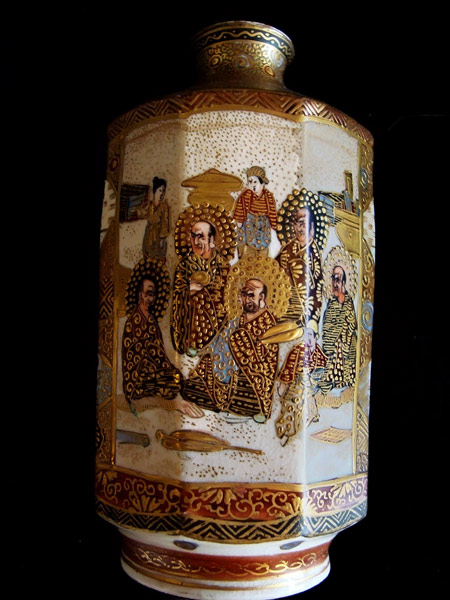
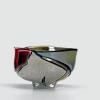
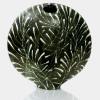
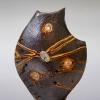
Satsuma faceted vessel
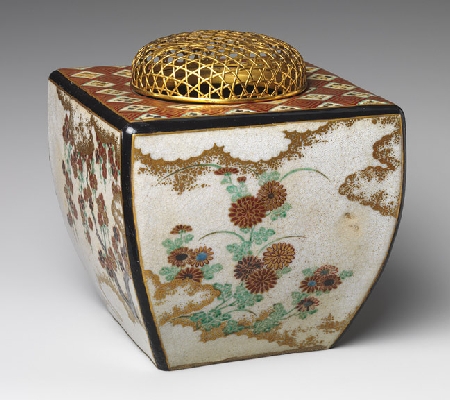
Incense burner (koro), mid-17th century, signed Nonomura Ninsei, Kyoto, Japan. | Heilbrunn Timeline of Art History | The Metropolitan Museum of Art
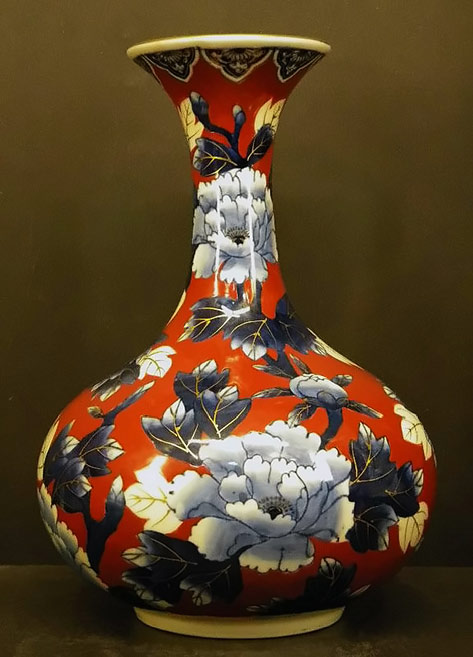
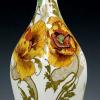
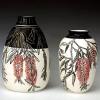
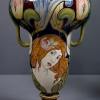
Satsuma vase with flower motif
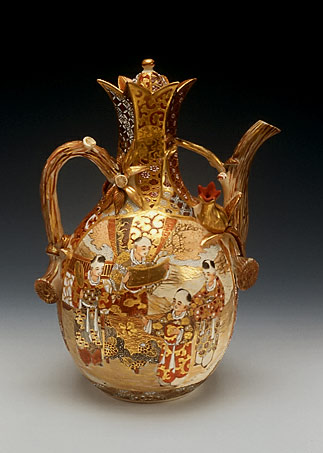
Meiji Period, 1868-1912 earthenware teapot
Photo: Tony Cunha.
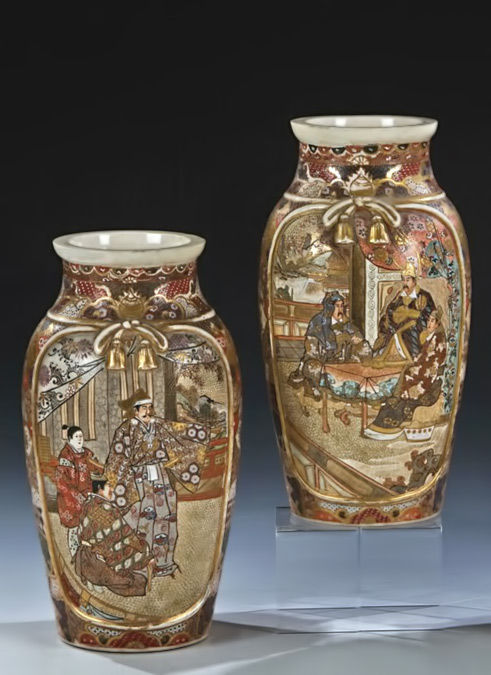
Pair of Satsuma Vases
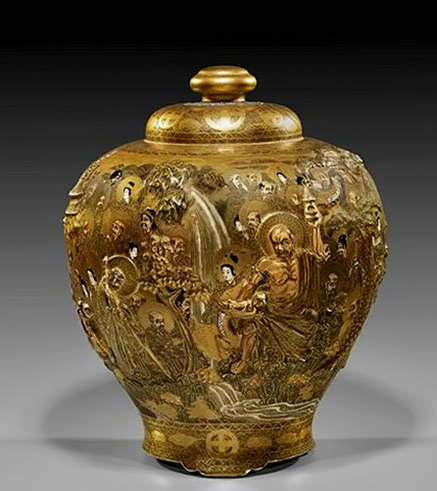
Large antique Japanese Satsuma pottery covered jar.
Late 19th Century
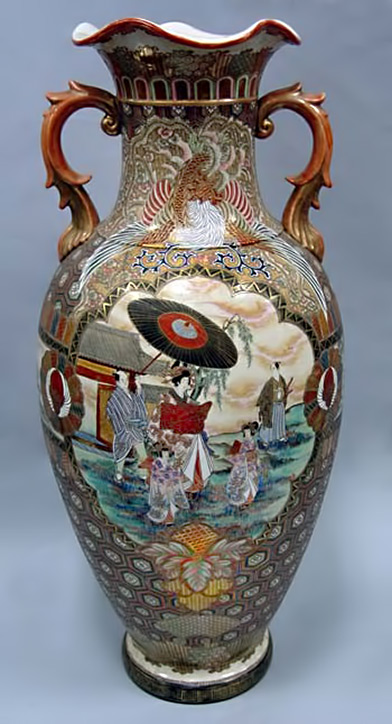
Large Japanese Satsuma vase with gilt highlights and samurai scene.
( Nadeaus Auctions )
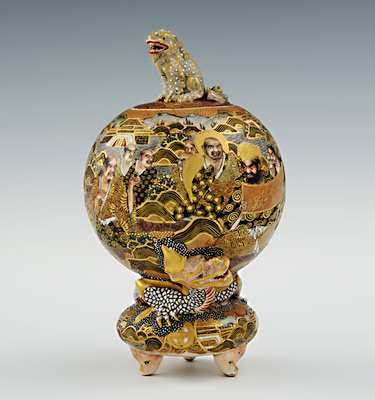
Satsuma Gyokuzan Dragonware Lidded Vase, Kyoto, Meiji
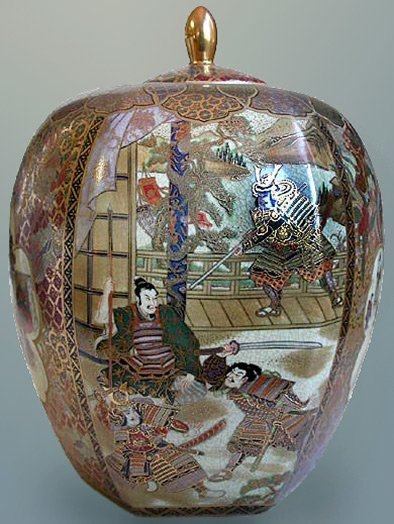
Satsuma lidded jar with Samurai battle scene
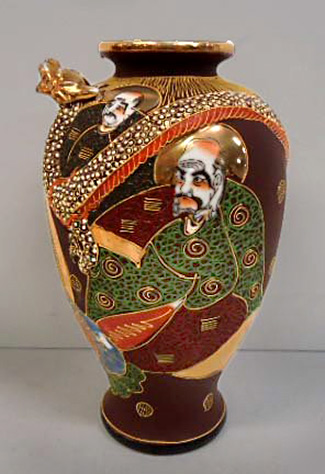
Hand painted Satsuma vase
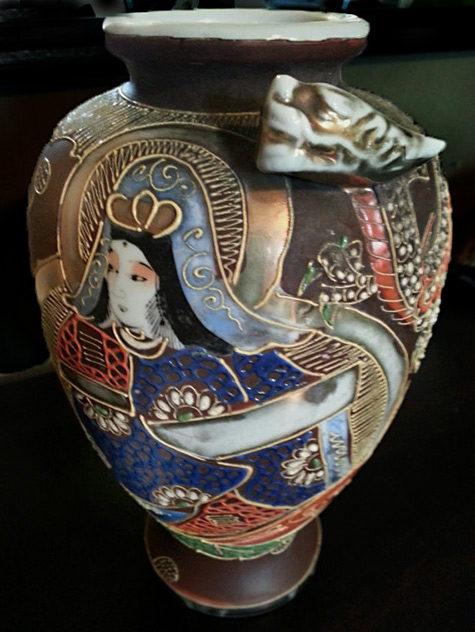
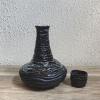
Japanese Satsuma vessel
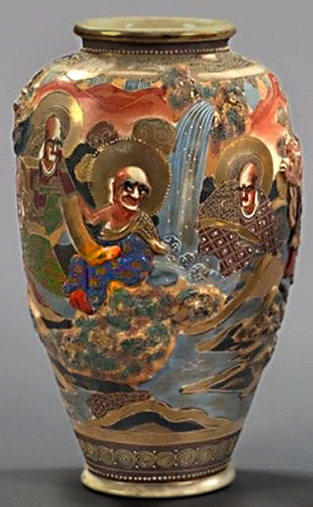
Large Japanese Meiji Satsuma pottery ovoid vase,19th-century
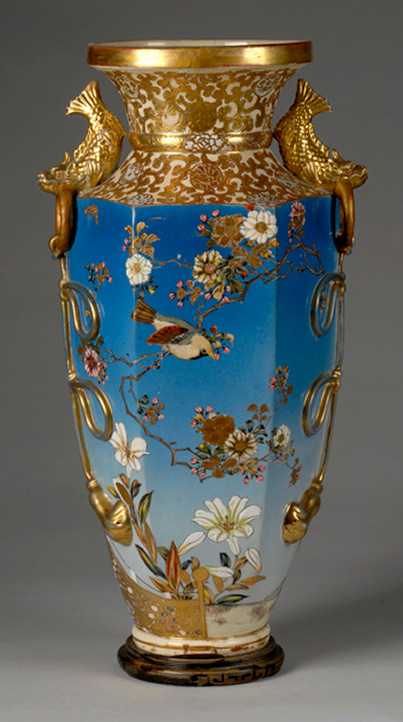
Monumental Satsuma vase
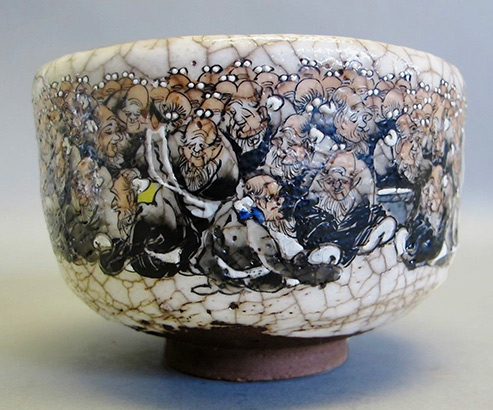
Japanese Art Satsuma Thousand Eyes Cup
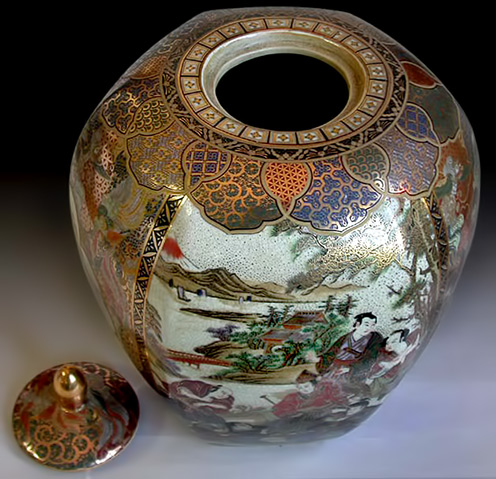
Lidded jar – Satsuma Ware
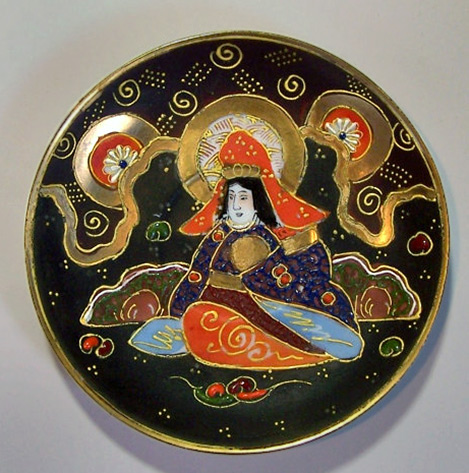
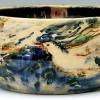
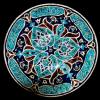
Satsuma dish, Japan
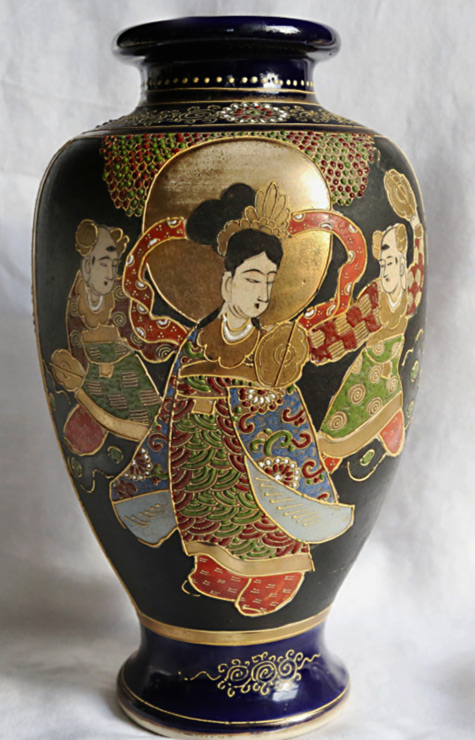
Early 20th century hand painted Japanese Satsuma vase
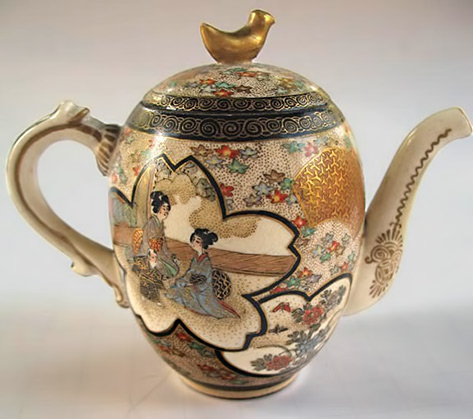
Satsuma Teapot Meiji Period with geisha motif
( RubyLane )
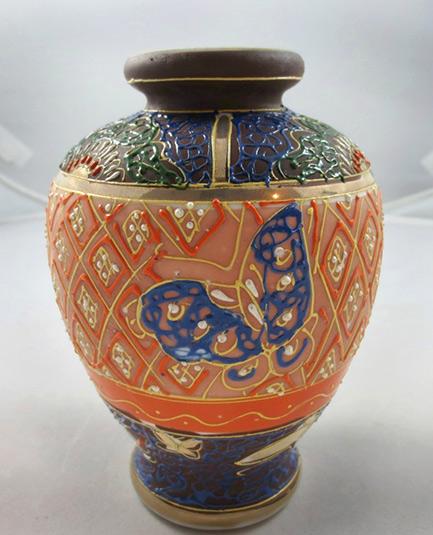
Japan Moriage Satsuma vase













6 Comments
porcelain and ceramic forms which have very beautiful and legendary. I would love to collect some of them
I have a beautiful satsuma immortal god tea service. Teapot creamer sugar bowl and four cups an saucers. Iam interested in selling them. They have been in my family for almost a hundred years. Make an offer. Reply to my email.
Hi I have a full tea set painted by Hoshiyama, does anyone know how much this could be worth? Thankyou
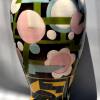
I have a vase that is painted almost identical to the “Satsuma vase with flower motif” but the shape of the vase is different. There is a blue signature on the bottom of the vase. It belonged to my great grandma. How can I find out more information about it?
I have a vase similar to the Satsuma 38cm vase, how can I find out more about it,
and if I need to insure it?
Je possède une paire de vase satsuma + 1 pot lrs vases sont ressemblant à divinité gilt pour les personnages
Signature japonaise bleu dessous et marquage made in Japan
Comment savoir la valeur ?
One Trackback
[…] Satsuma […]