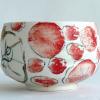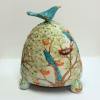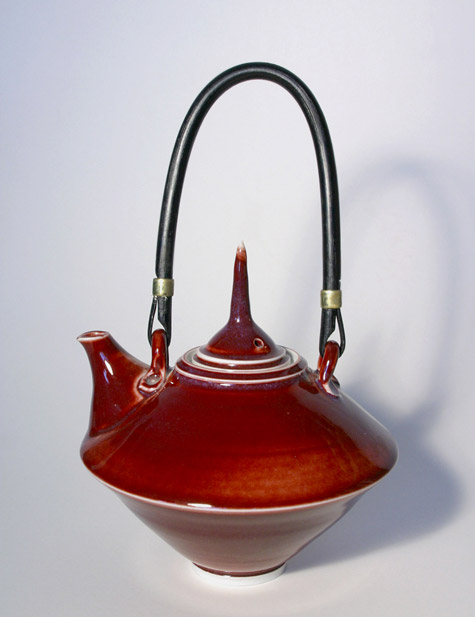
Porcelain Teapot -Melanie Brown
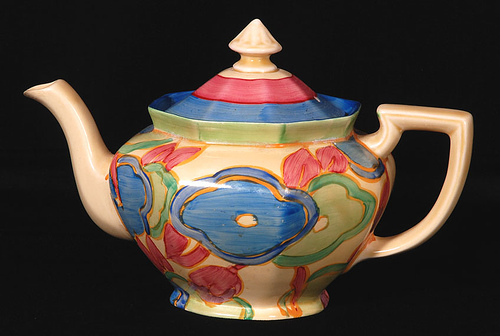
Clarice Cliff Teapot in the Blue Chintz pattern
Decodance.com
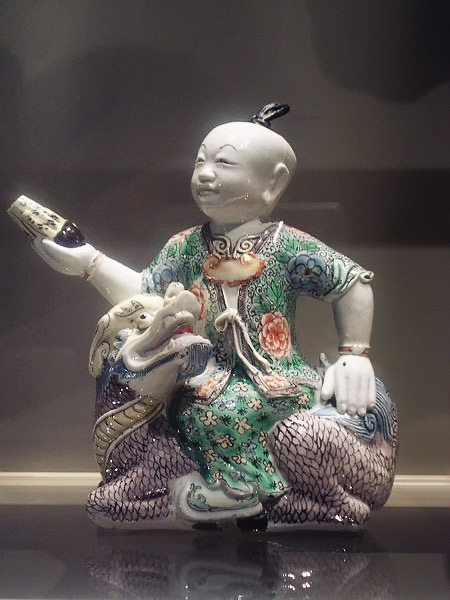
Boy sitting on dragon teapot – Kangxi reign (1662-1722)
The evolution of tea drinking
The ancient Chinese Emporer, Shen Nung, is credited with discovering tea as a recreational beverage, around 2737 BC . Known as the “ Father of Chinese Medicine”, he tested hundreds of herbs in the pursuit of natural remedies and was sometimes exposed to poisons in the process. He found that tea, in some instances, acted as a natural antidote. He also observed its mild stimulative qualities, along with its refreshing nature .
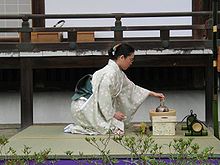
The tradition of drinking tea as a social occupation has existed in countless cultures for centuries. From the ritual of drinking mint tea in Morocco for cooling oneself, to the drinking of Masala Chai ( spice tea ) in India to the elaborate tea ceremonies in Japan.
It wasn’t until the 16th century that this tea elixir was introduced into Europe, and was originally only affordable to the wealthy.
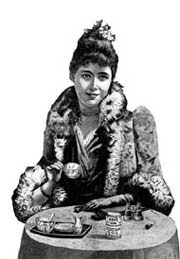
The ritual of “afternoon tea “ only became a widespread pastime after one of Queen Victoria’s ladies in waiting, the 7th Duchess of Bedford, promoted the habit of having tea and cakes in the late afternoon. It became a daily event where formal attire was de rigueur. The Victorians called a tea service a tête-à-tête. This consisted of a cups and saucers, teapot, sugar bowl, cream pitcher and the finest silverware. What began as a leisurely ritual for the wealthy quickly caught on as an essential afternoon pastime with the working class, especially because supper time was around 9pm.
Being a lifelong tea drinker, I’ve always enjoyed the appearance of a teapot, possibly because of the promise of a fine brew. Sadly the teabag now dominates habits, but the noble ritual is not forgotten. My teas of choice are of the Japanese varieties. Genmai … this is a green tea combined with roasted brown rice and is an excellent tea if you have to maintain long spells of mental concentration. My other favourite is Kukicha … a roasted twig tea – this yang tea is rich in calcium and grounding in nature. An occasional Earl Gray also doesn’t go astray.
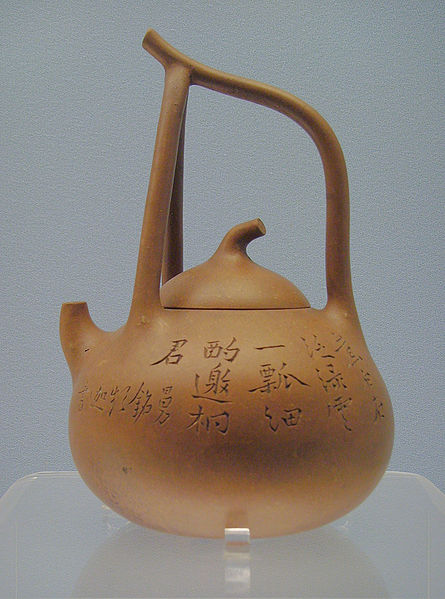
Yixing ware teapot – ca. 1900, China
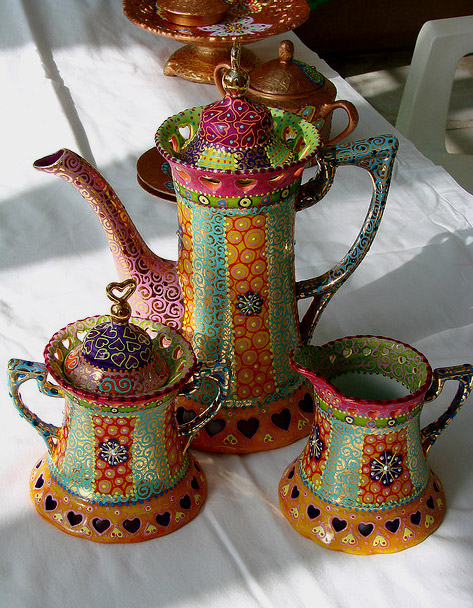
Indian style Tea Set – Nini Violette – ( Flickriver )
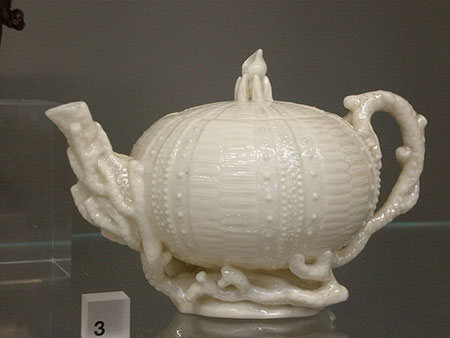 Belleek Pottery, glazed porcelain, slip-cast
Ireland, Co. Fermanagh
1869-82
1869-82
( V & A Museum )
Photo Peter Jackson
–
“The tea awakens the good spirit and wise thoughts. Tea refreshes my soul. If you are overwhelmed and feel despondent, tea will pacify. ” – Emperor Shen Nung (2700 god.pr.Hr.).
–
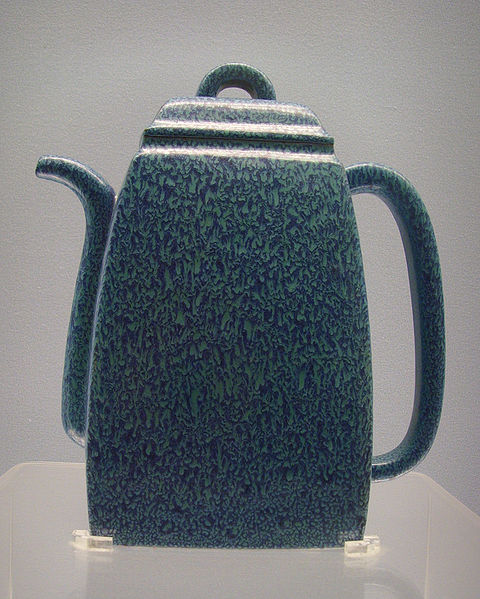
Teapot ( Qianlong_Reign_Period )
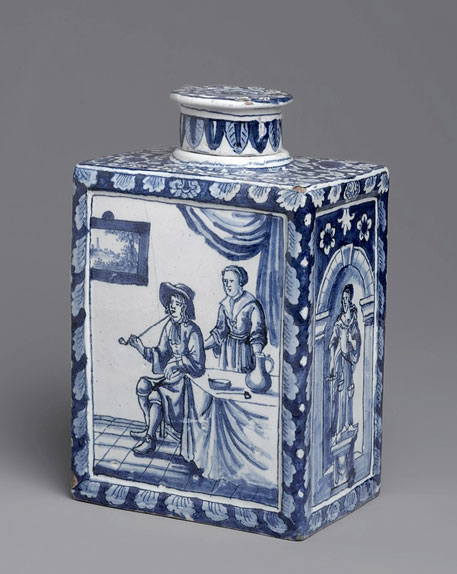
Tea caddy-(circa-1698)
©Bridgeman-art-library
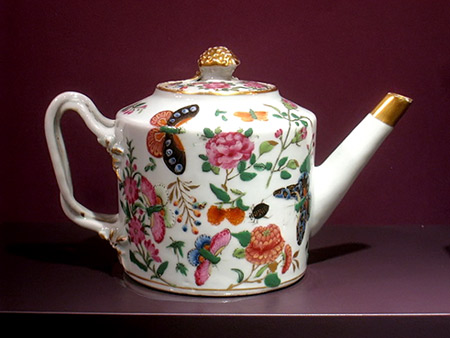 Chinese porcelain teapot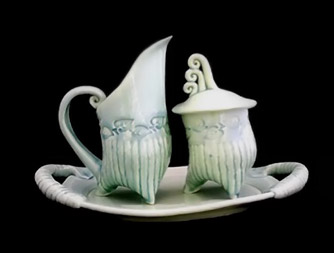
Nancy Adams
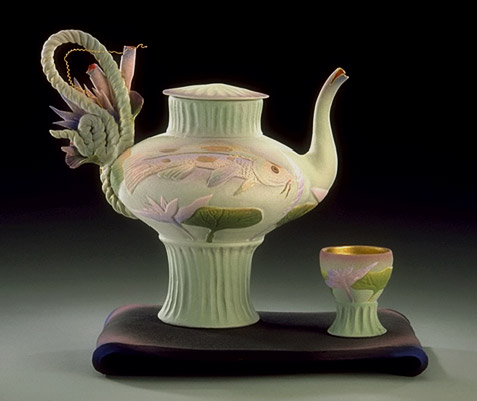
Two Koi Tea – Nancy Adams
–
Japanese Tea Ceremony
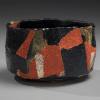
Traditional Raku ware was favored for this refined ritual. Due to the fragile nature of some of the Raku ceramics they were only used once. All ingredients used were as organic or natural as possible. The water was preferably heated on a charcoal fire, as this had the purest Yang energy, as opposed to a gas fire or in these times electric or microwave which have the lowest quality Yang energy.
–
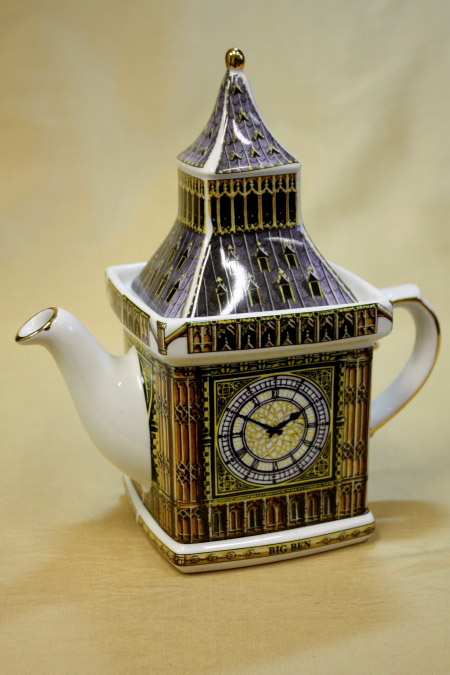 ” Big Ben” teapot

John Pollex
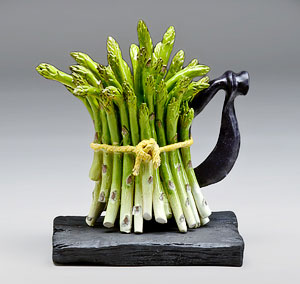
” Asparagus Teapot ” by Trisha Coates
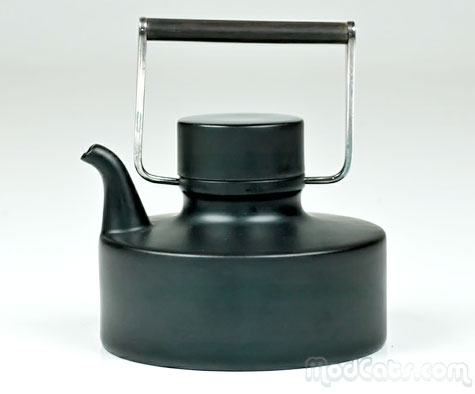
Black ” porcelain noire ” teapot with silver and wooden handle, designed by Taipo Wirkkala for Rosenthal
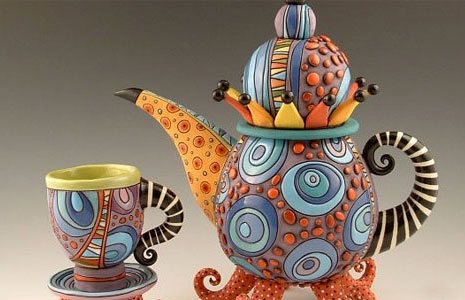
Natalya Sots teapot with cup and saucer

” My Growing Passion For Green Tea “
by Jaques Vesery, 2008
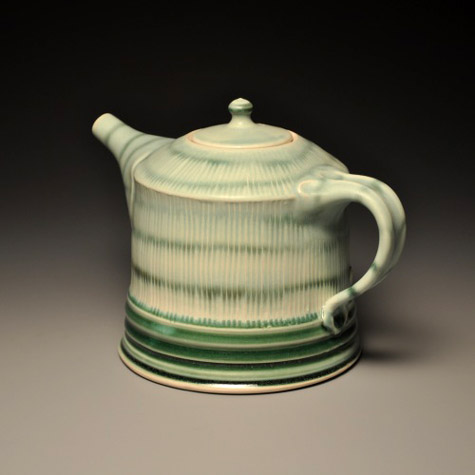
” Stripey Teapot ” Lucia Pottery
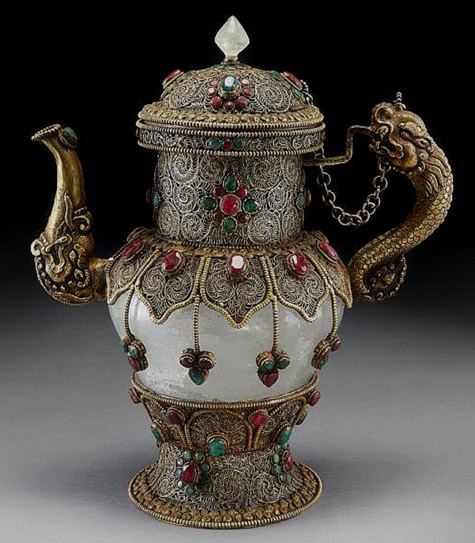
Iced teapot made of rock crystal, trimmed with gilt filigree with emeralds and ruby – Nachalo
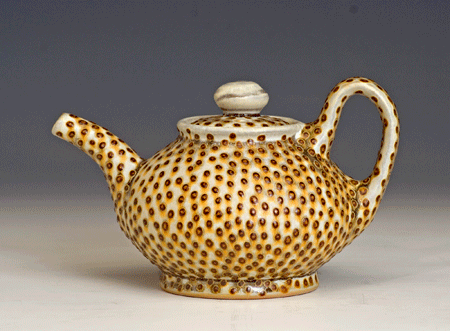 Teapot by Samantha Henneke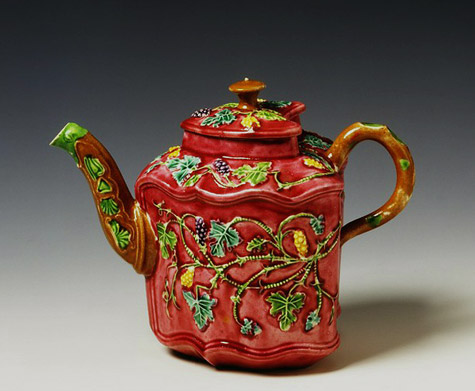
Staffordshire – 1740-1760
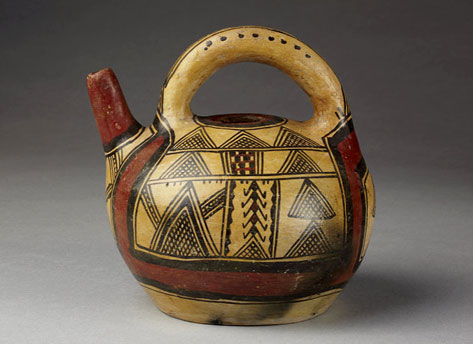
Algerian Teapot ( The Met Museum )
<
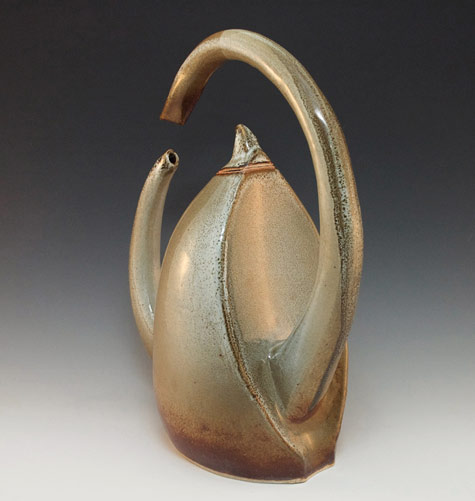
Wood Fired Scorpion King Ceramic Teapot by Julie Atelier ( etsy )
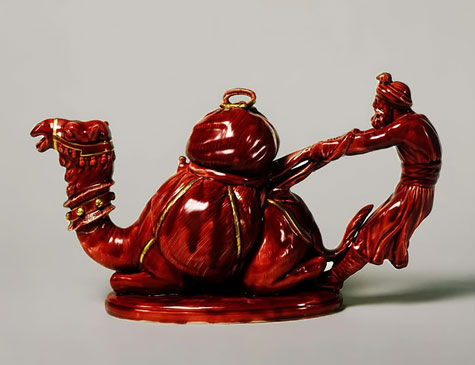
Moore Bros. – 1876
( V & A Museum )
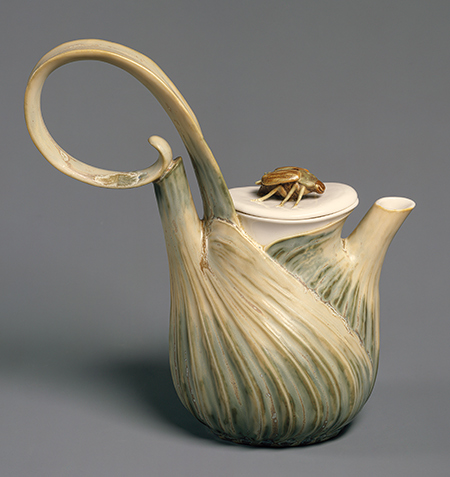
Sevres Teapot ( French 1740 to present )
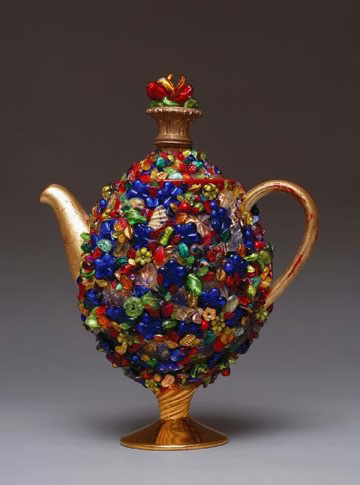
Dusk till Dawn 2008
Ceramic Glass,Czech Gems,Metal
by Lynn Casenerio
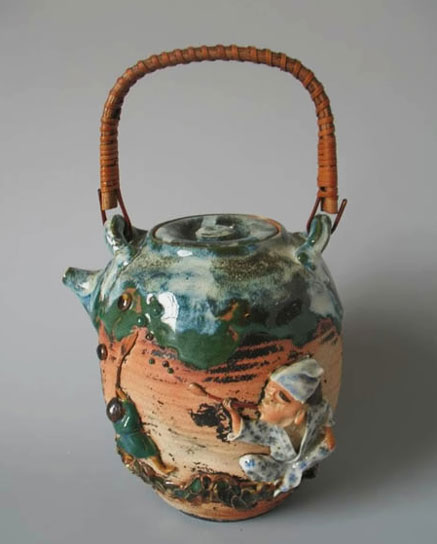
Shojji Hamada
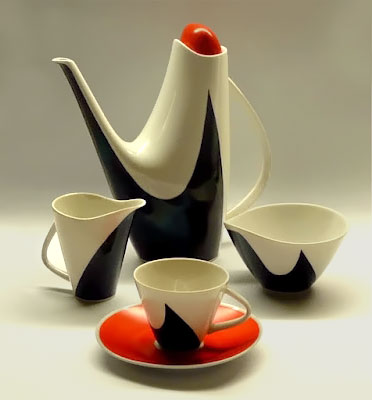
Jaroslav Ježek – Modernist Czech Pottery tea set
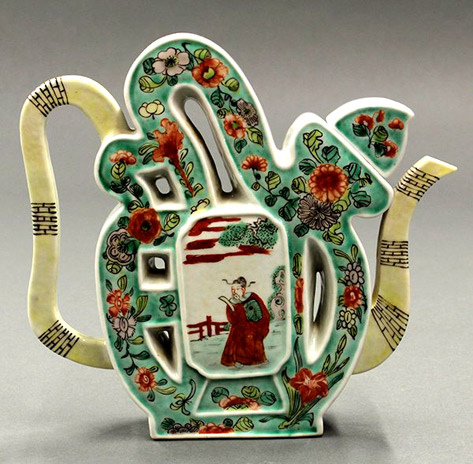
Chinese enameled porcelain puzzle pot, late Qing/early Republic period, in the form of the character ‘fu’
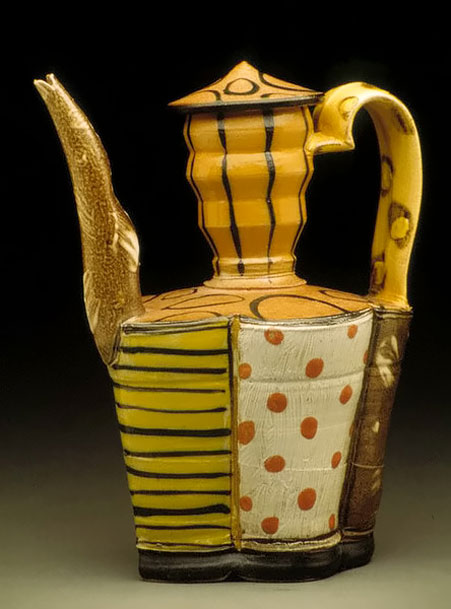
Jeffrey Klechner
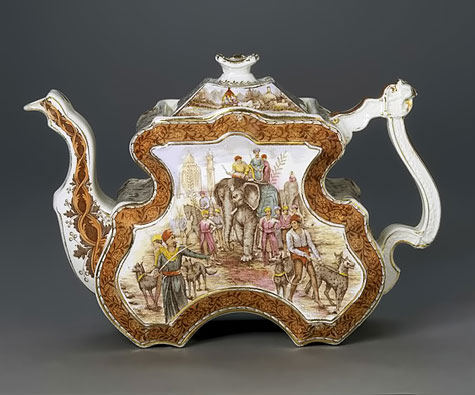
Burgess & Leigh – 1896
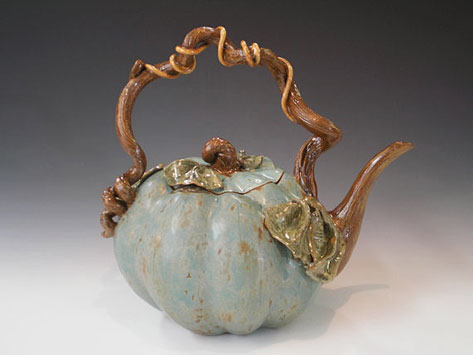
Large Green Pumpkin Teapot by Laura Kolinski Schultz
( Terra Ki Teaware )
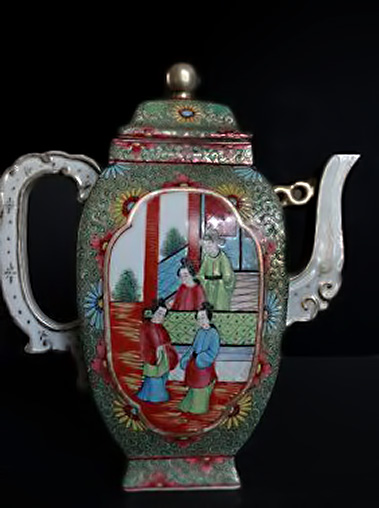
Qing Famille Rose teapot
–