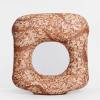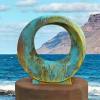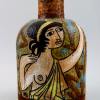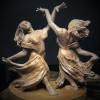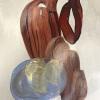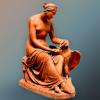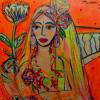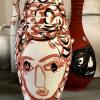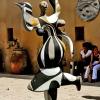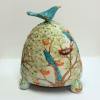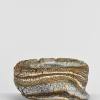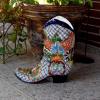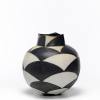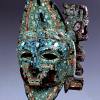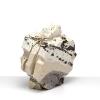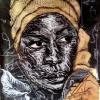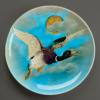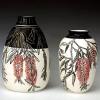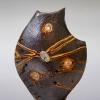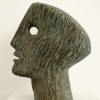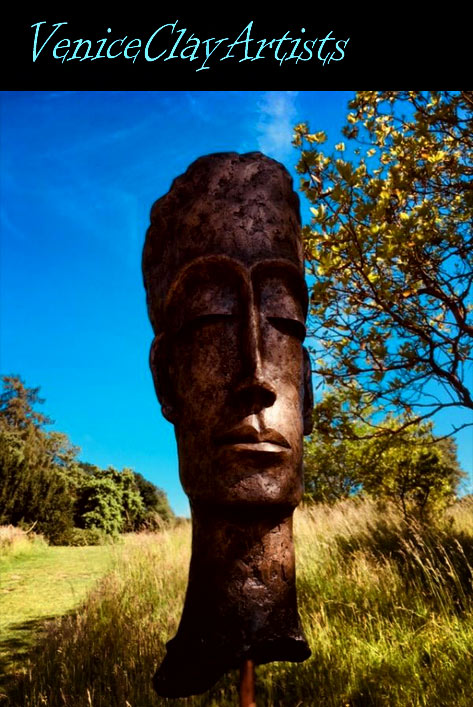
‘Peace. love and calmness within’ sculpture by Kay Singla
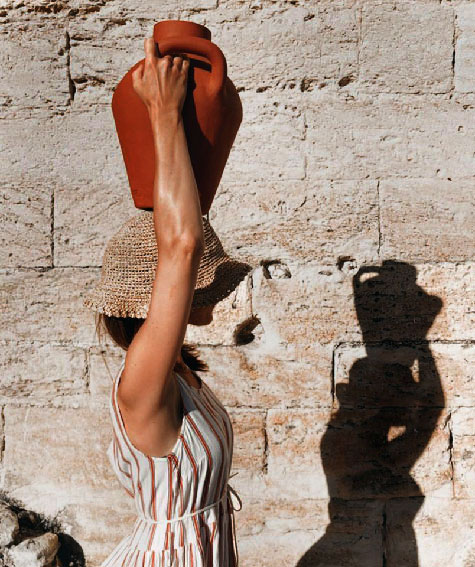
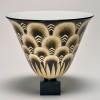
Vincent Schoepfer terracotta vessel
Expressive Decorative Rythyms in ceramic art
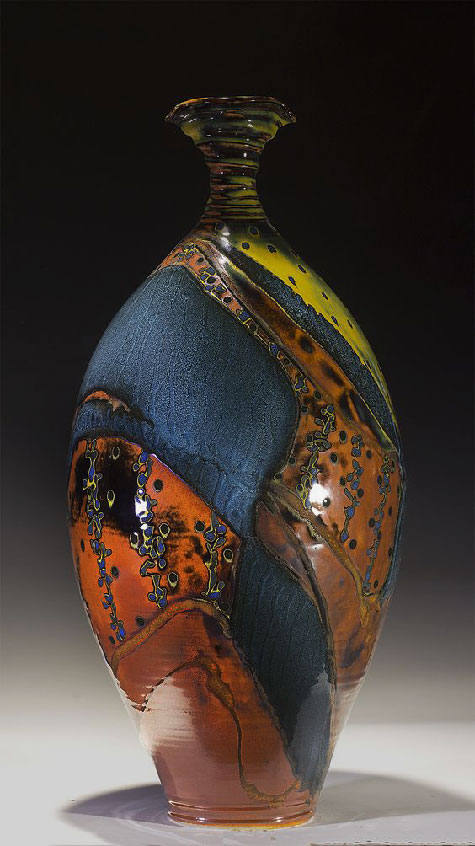
Creekside Pottery
Art quotes, quirks and conquering clay
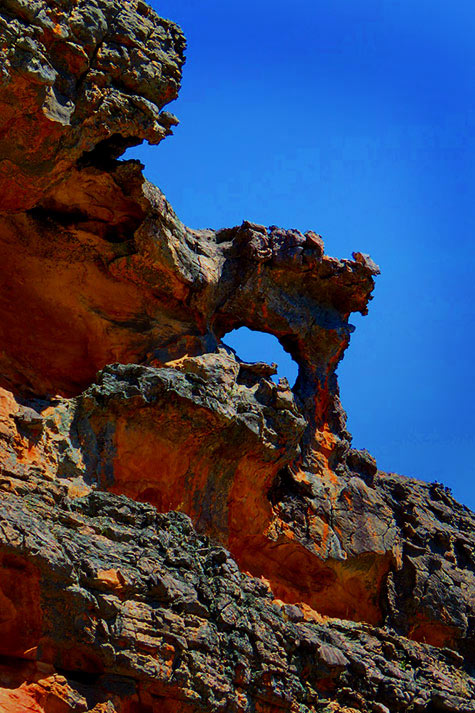
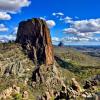
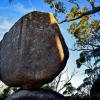
Hollow Mountain dragon – The Grampians
Shambhala Gardens Crystal Castle
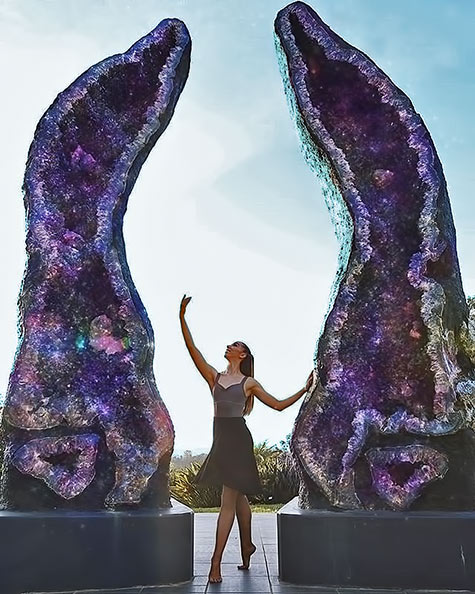
Amethyst crystal guardians
Angels and Doves in the arts
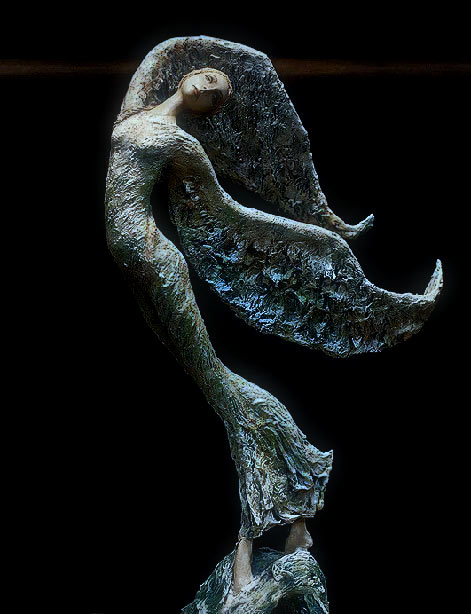
Valentina Pisarevskaya – 2012
Muse and creator – Lydia Corbett
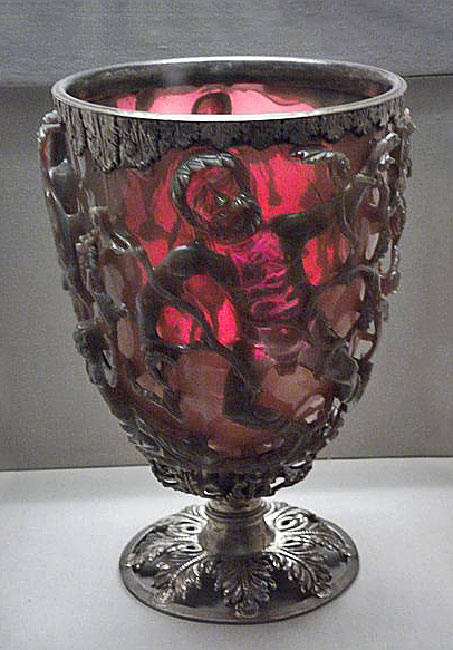
Goblet or chalice vessel with French Armagnac eggnog
Lava glaze eruption at Mid Century
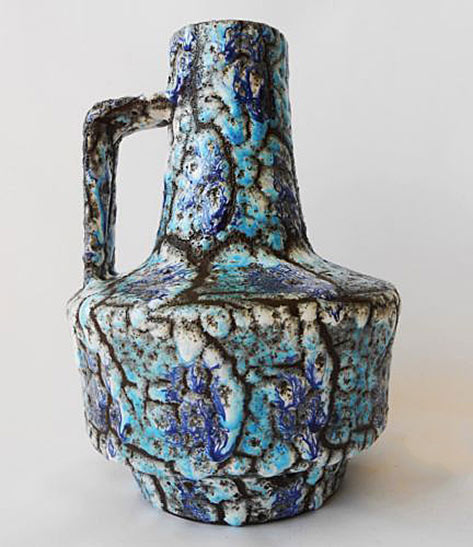
The Lava glaze ceramics of the 60’s were an extension of the Bauhaus design concept of creating affordable decorative arts for mass consumption during the middle of the 20th century. The manufacturing process was simplified with the use of pottery casting molds and the application of a diverse array of imaginative glazes by the enamelers and glaze technicians.
Compelling clay shapes collection
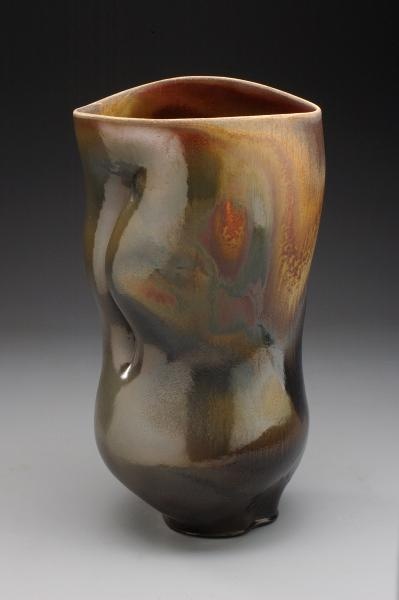
Chris Gustin
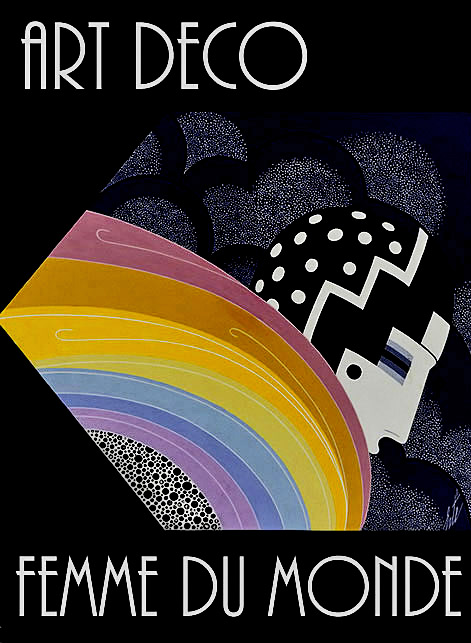
Art Deco Femme Du Monde
Mid Century aesthetic – atomic, minimal, kitsch, space-age
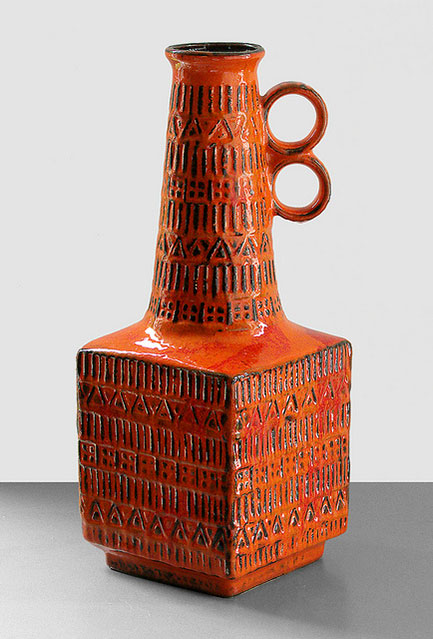
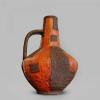
Vintage bottle vase by Bodo Mans
3 contemporary female ceramicists – Britain
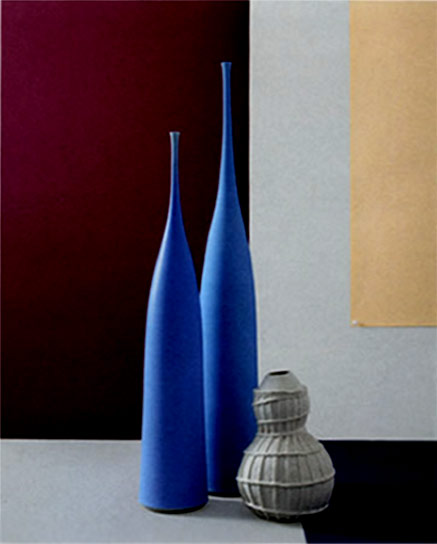
Sophie Cook
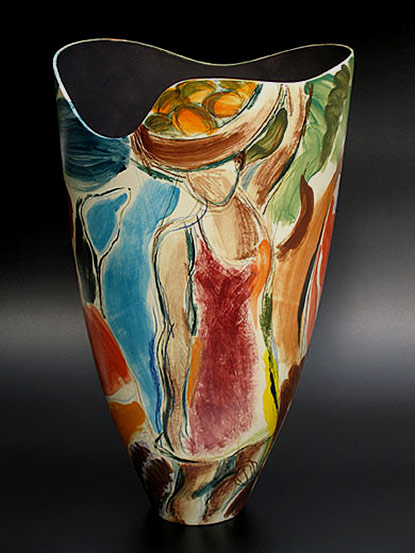
Ingrid Saag — Mango Pickers
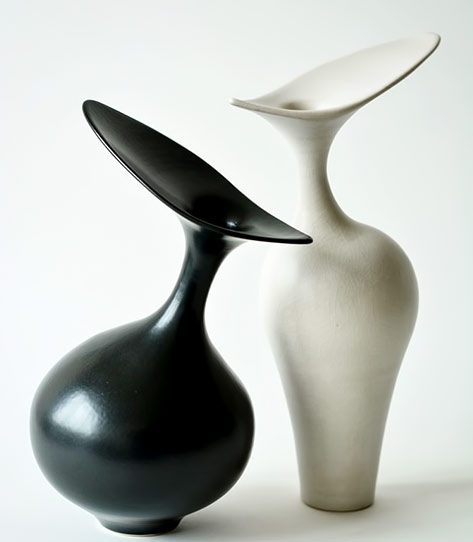
Vivienne Foley
Azure allure along the Silk Road
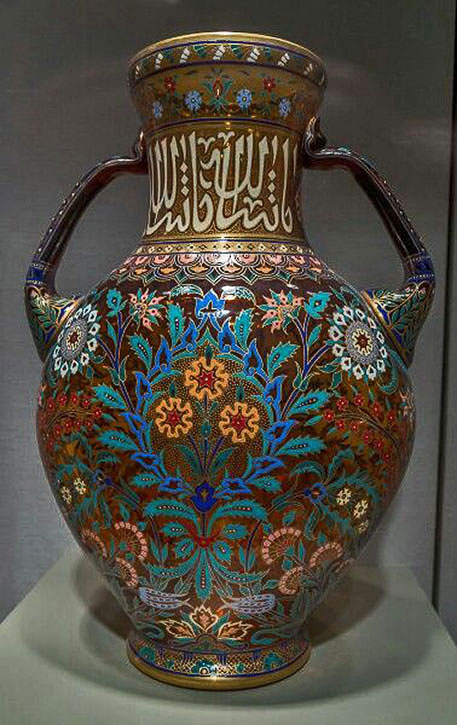
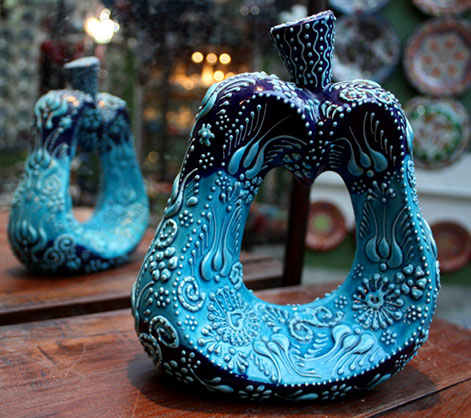
San Polo Venice vase
Pots and planters from medium to huge
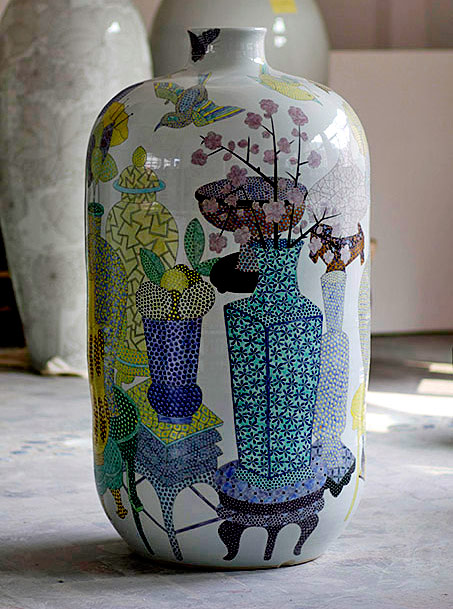
‘Still Life with Jars, Fruits and Cherry Blossom‘ by Felicity Aylieff
Sergey Karlov – Siberian stone mosaics
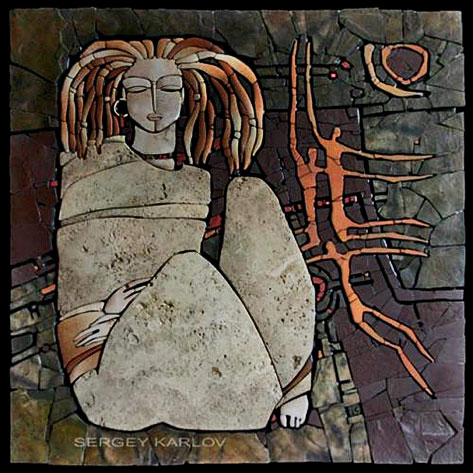
‘Detachement’ Stone mosaic by Sergey Karlov
Chilean escultura ceramica – Pascale Lehmann
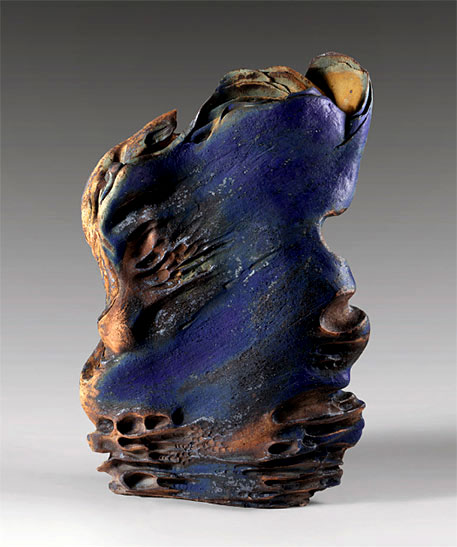
Ceramic sculpture – Pascaale Lehmann
Shamanic sculpture vision
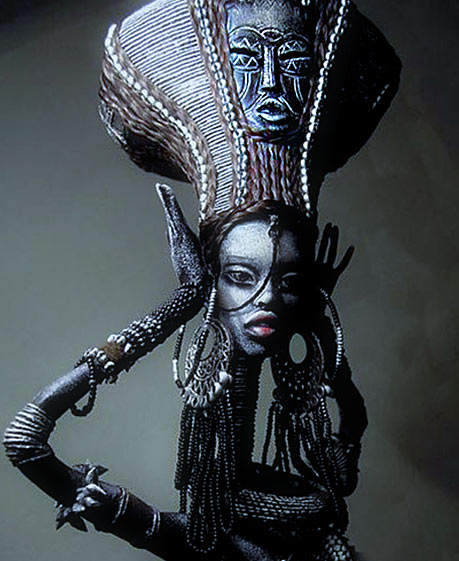
Gusto mache mucho papier figures
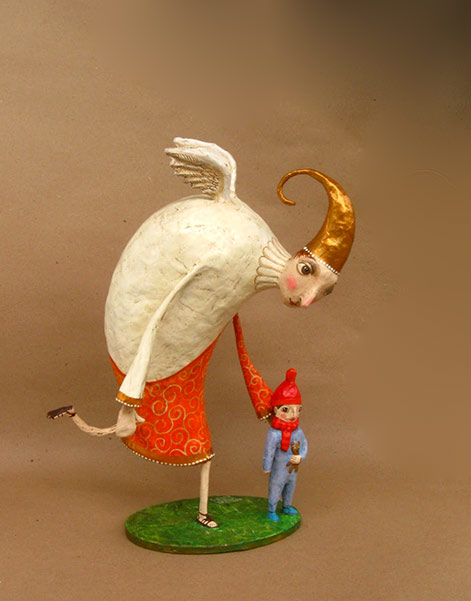
‘Guardian Angel‘– Mauricio Perez
Fragrance atomisers, incense burners
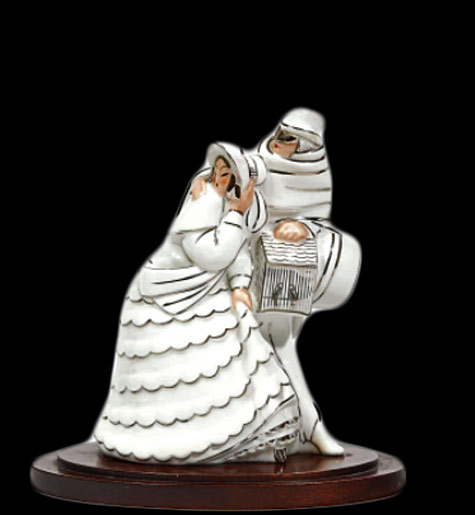
‘Argilor’ incense burner, night light
Evolving ceramic arts
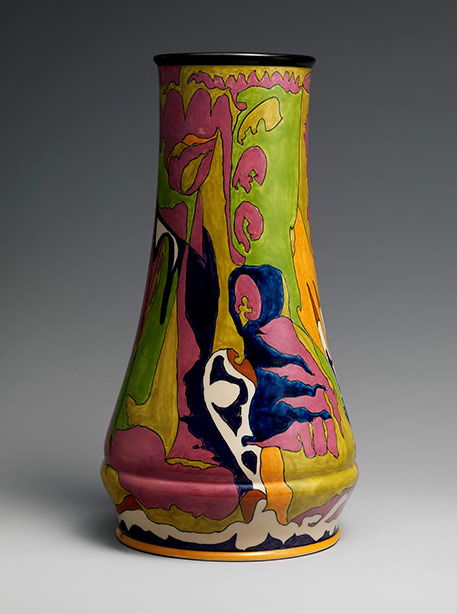
T.A.C Colenbrander vase, Netherlands, 1921
Symphony of dreaming visuals
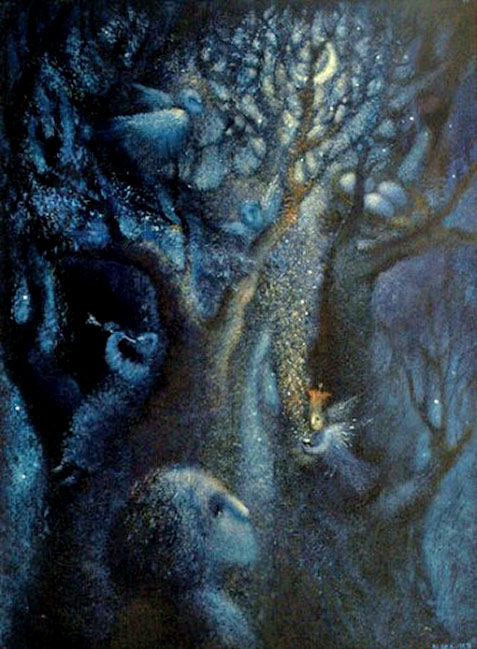
Elena Markova – Crescent moon dreaming
Alice Federico’s pottery whimsy
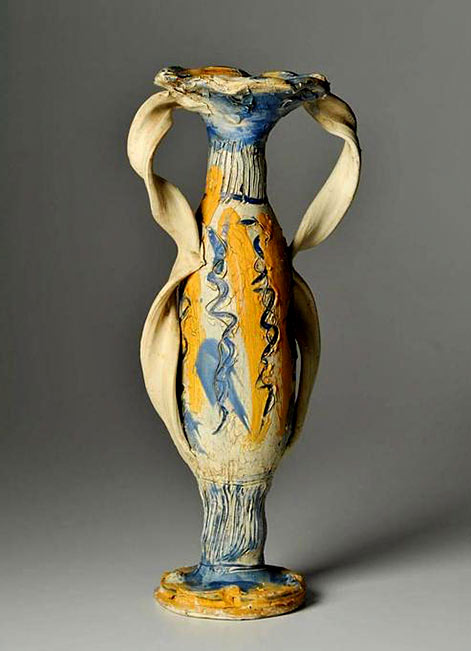
17.5 inches tall, footed ceramic vase with ribbon handles – Alice Federico
Abstract motifs in ceramic design
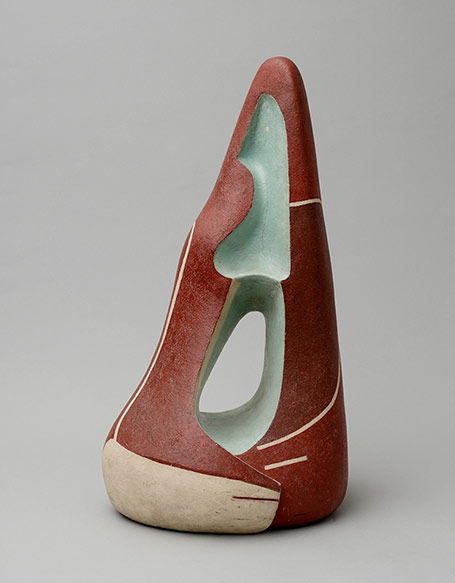
Alexander Archipenko – ‘Seated Figure’, 1938
Ceramic perspectives of Barocco
Spatial illusions of Richard Tarone and Jacques Massard
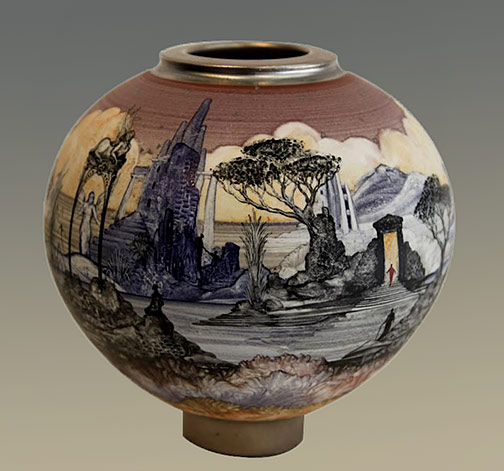
Ceramic globular vase by ‘Barocco’ — Richard Tarone and Jacques Massard
Fundamental Feng Shui and decor features
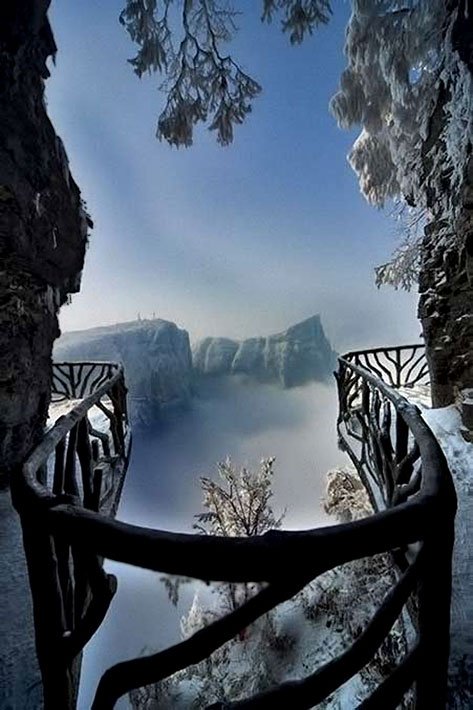
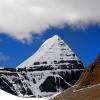
Tianmen Mountain National Park, Zhangjiajie,
Hunan Province, China via Jone
Cruising thru the Clayniverse
Inverloch Mermaid
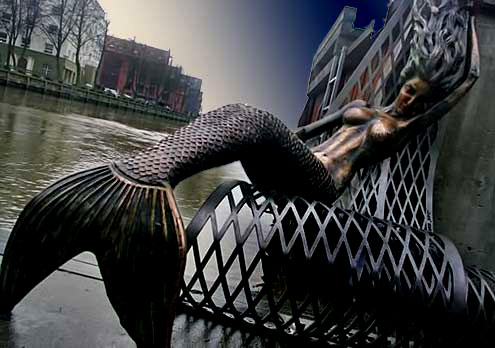
Klaipeda mermaid sculpture
The Kangaroo Valley sculpture and arts biennial
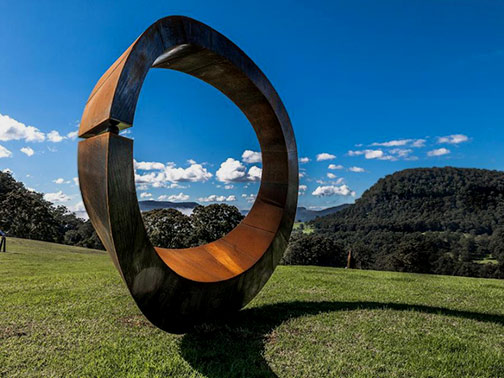
‘Orb’ by David Ball
Kangaroo valley art festival
Modern ceramic relics – Nicolette Johnson
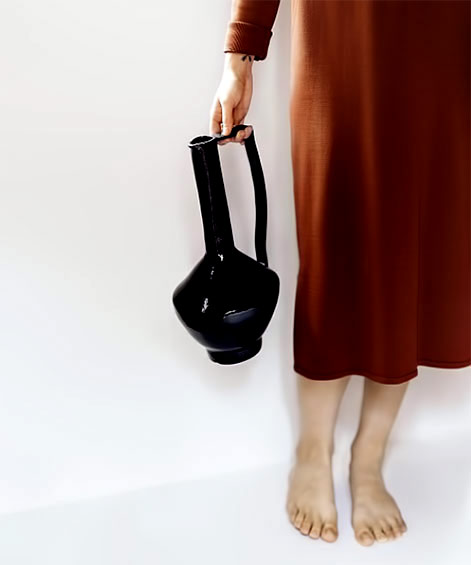
South Africa creative pottery
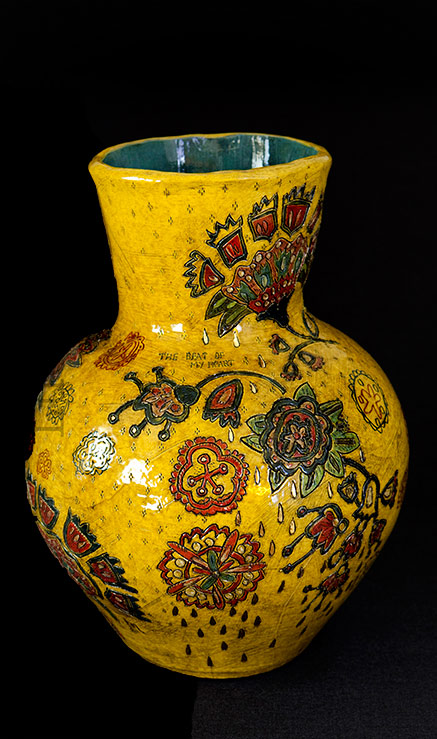
‘The beat of my heart’ yellow vase – Lucinda Mudge
Ikebana vision of transcendence
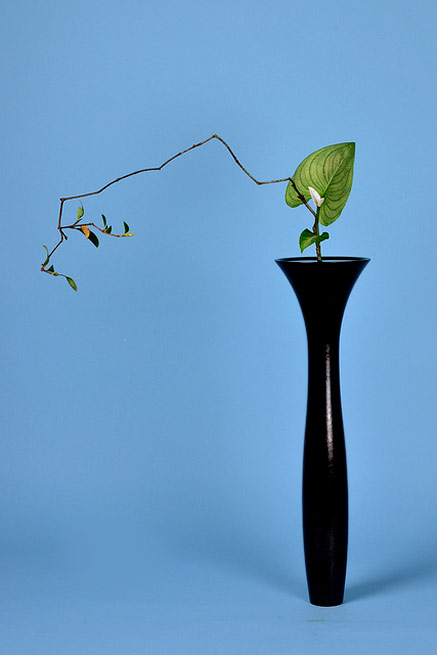
Shoka shimputai ikebana – Lusy Wahyudi
Modernist glass arts – Sweden
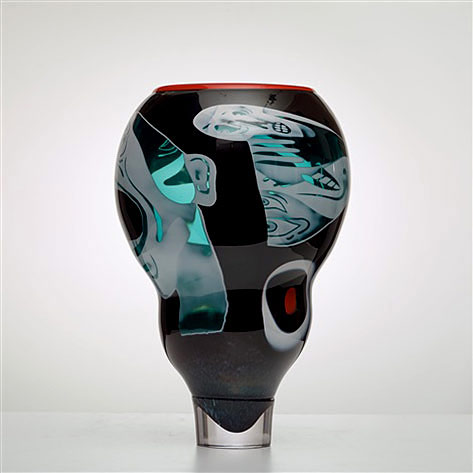
Peter Hermansson
Fortuny Palazzo Museum
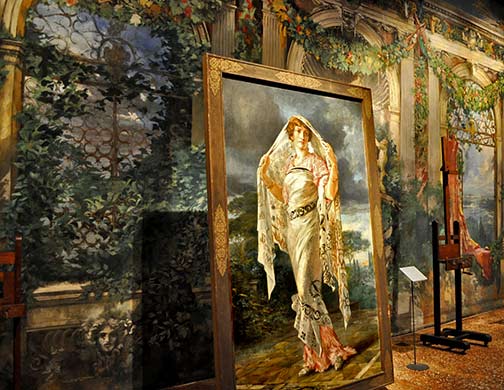
‘Portrait of a muse’ painting by Mariano Fortuny, 1935
Portrait of Henriette Fortuny in Pompeian costume with a Delphos dress and Knossos scarf designed by Mariano Fortuny, printed with geometric, asymmetrical patterns and motifs inspired by Cycladic art
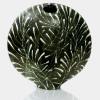
Calming ceramic vessels – greens, white, black
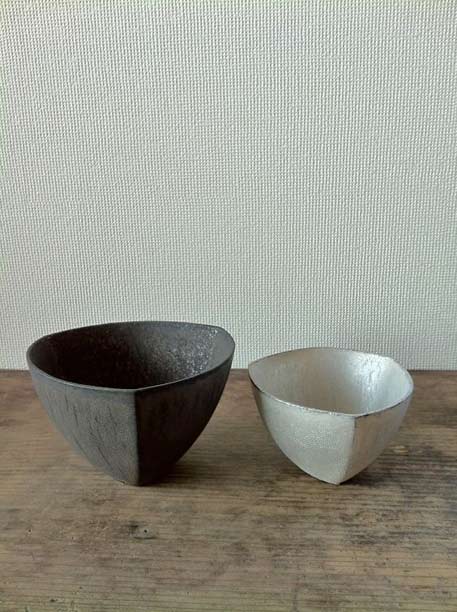
Aoki Ryota
Venice contemporary and modern art
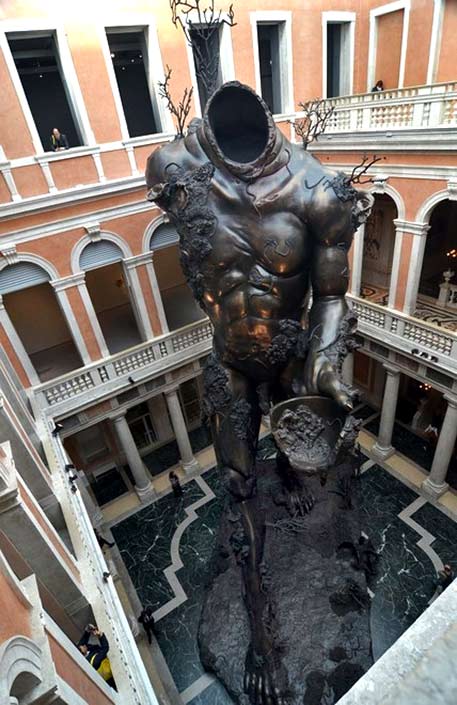
Headless Diablo with bowl – Damien Hirst
Venice-art-Biennale – 2017
Indigenous ethnic potteries – Maghreb and Central America
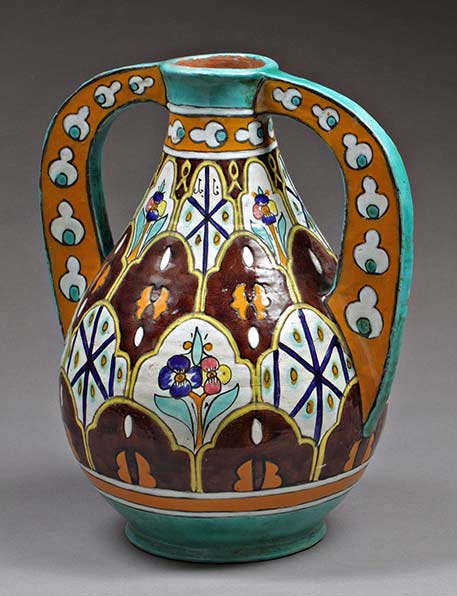
Tunisian geometric design ceramic vase
Nabeul, Tunisia – 1930’s
Africa Shona sculpture
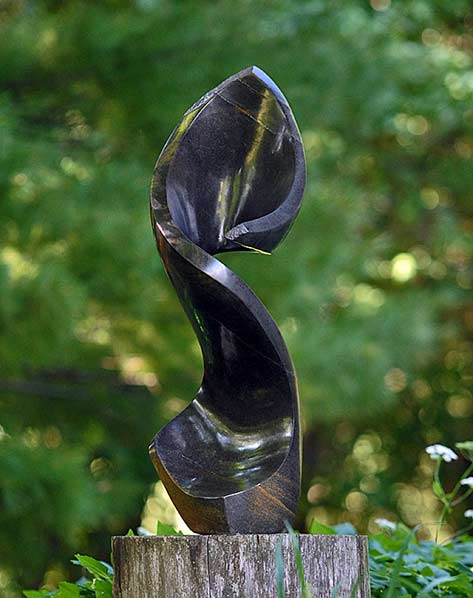
Ocean Wave by Authur Manyengedzo
Mid-century modern interior decor design
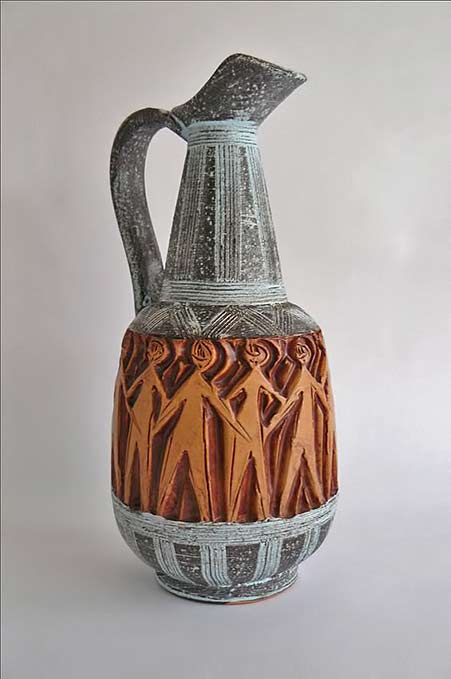
Italian Mid Century pitcher – Fratelli Fanciullacci
Indigenous Australian arts compilation
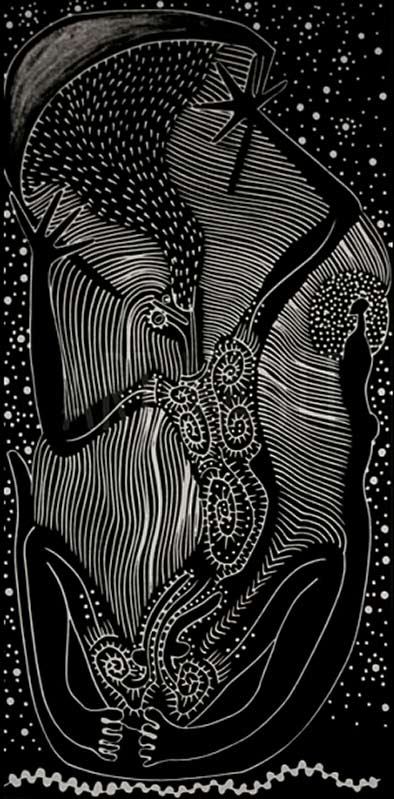
‘Star Ark’ — Arone Meeks
Japanese tea cups, yunomi and guinomi
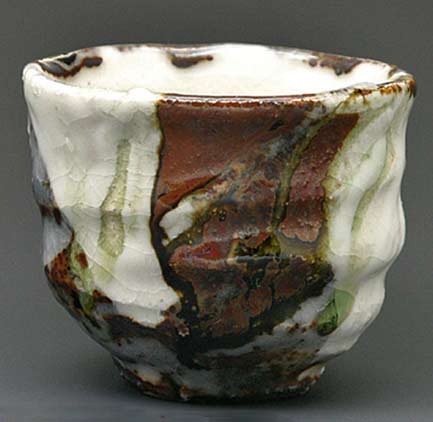
Takuma Murakoshi tea cup
Sculptural Teapot Tempest
Tea here now – one pot, infinite flavors
If you have one teapot
And can brew your tea in it
That will do quite well.
How much does he lack himself
Who needs to have more things?
~Sen no Rikyū
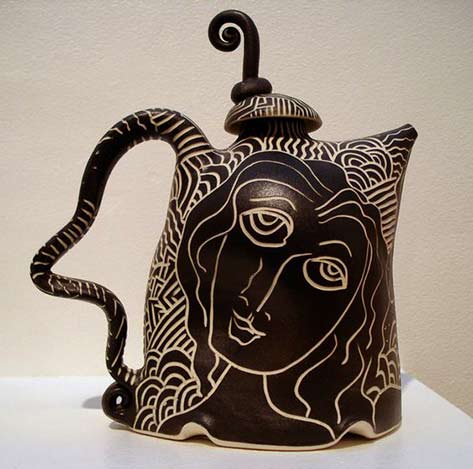
Fuller Craft Museum–Image by Mryipyop via flickr
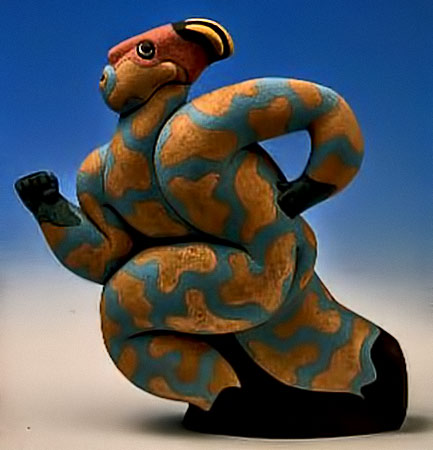
‘Blue and Yellow Running Man’ teapot — Tony Bennett
The Art of ‘ism’s
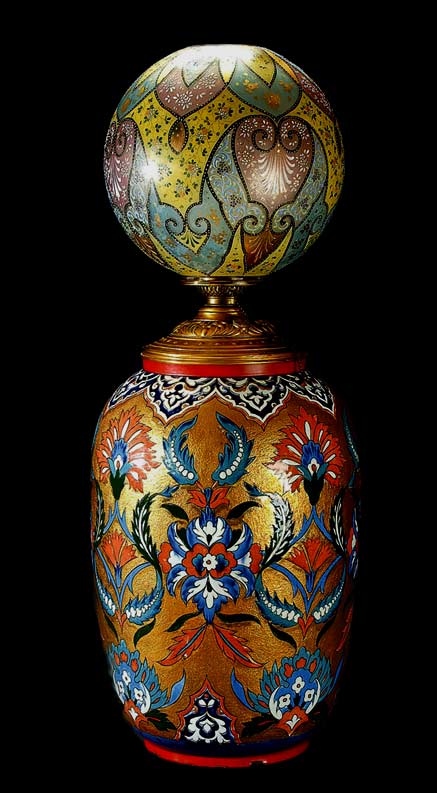
Theodore Deck
Art Deco in the movies
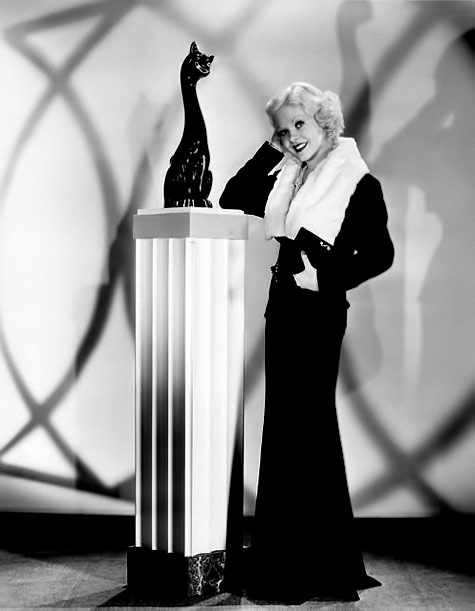
Faye Ray, 1935
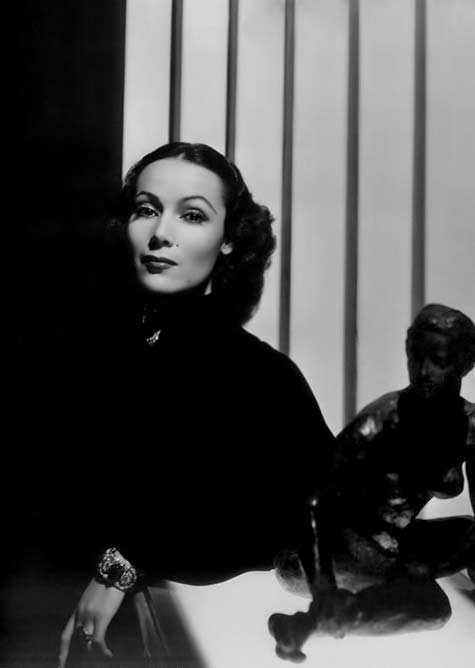
Dolores Del Rio – known as the face of art deco
Garden fountains sojourn
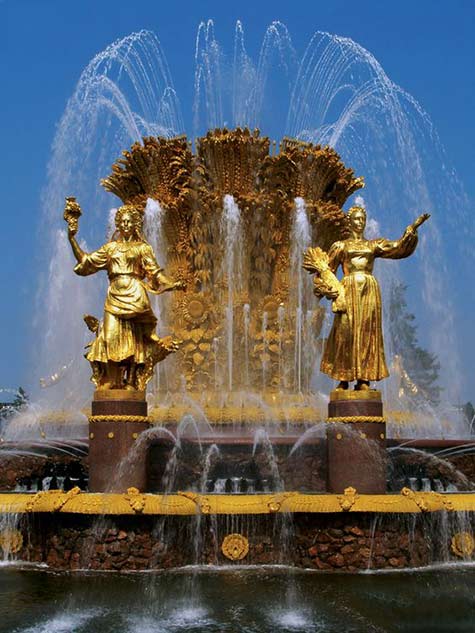
Moscow fountain
African tribal pottery styles
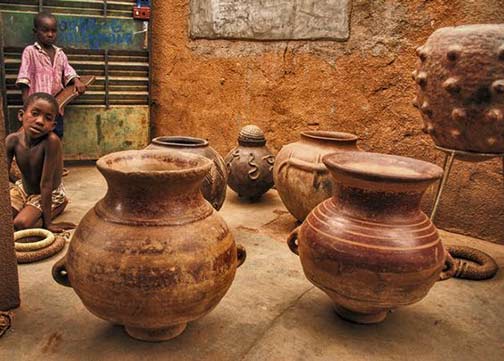
Selection of vintage tribal pottery in Burkina Faso
Danielle Adjoubel lustreware revival
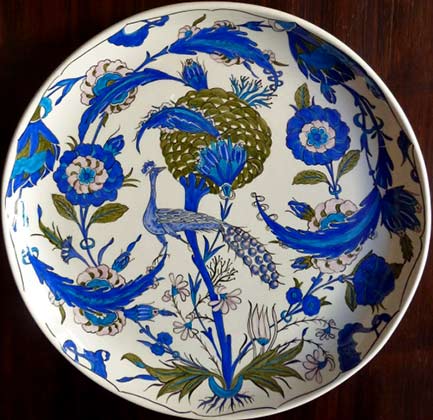
Danielle Adjoubel
Pottery destination Southern France – Le Don du Fel
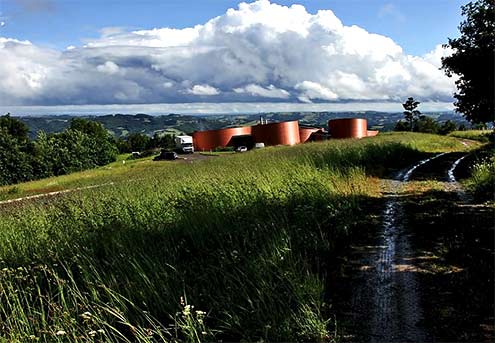
Le Don Du Fel Gallery/Studio
France
Rooster, peacock, phoenix – new dawn rising
There are numerous legends associated with the The Camino de Santiago, also known as the pilgrim’s “Way of Saint James”, involving the portents of rooster resurrection and crowing to prove a man’s innocence.
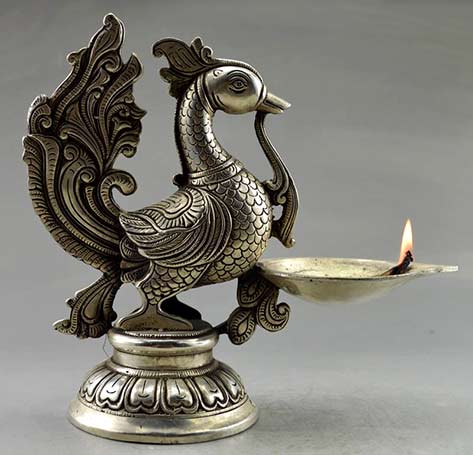
Tibetan Phoenix
Edgy clay art
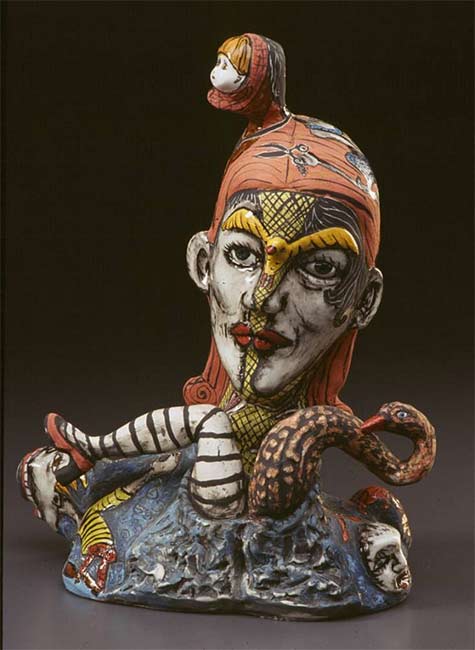
Laura Jean McLaughlin — ‘Down to the River’
Israeli potter sculpture
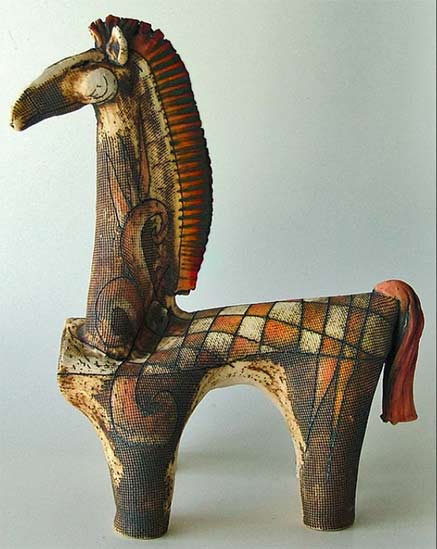
Inna Olshansky
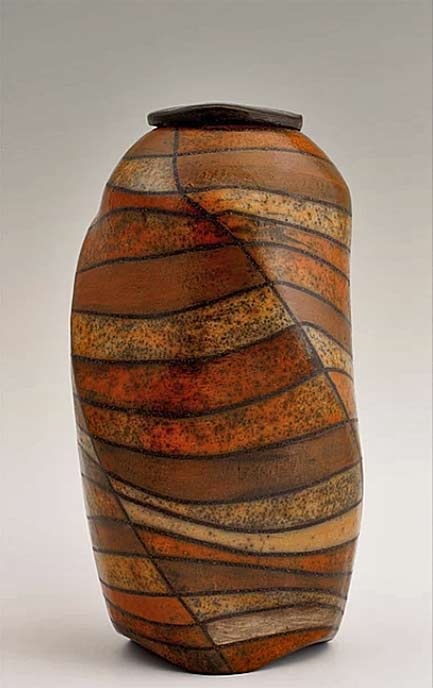
Shamai Sam Gibsh
Mother and Child sculptures
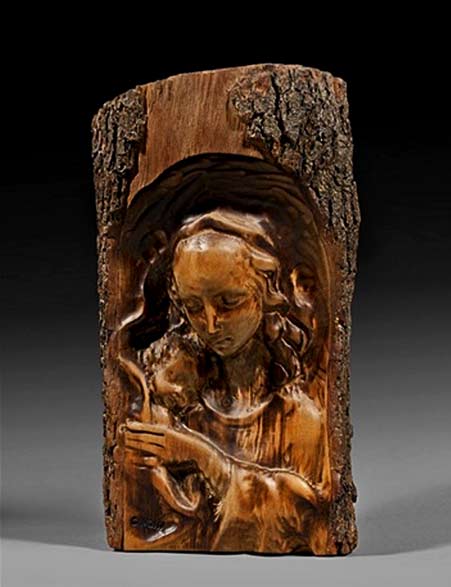
Gustav Adolf Mossa—Oak relief
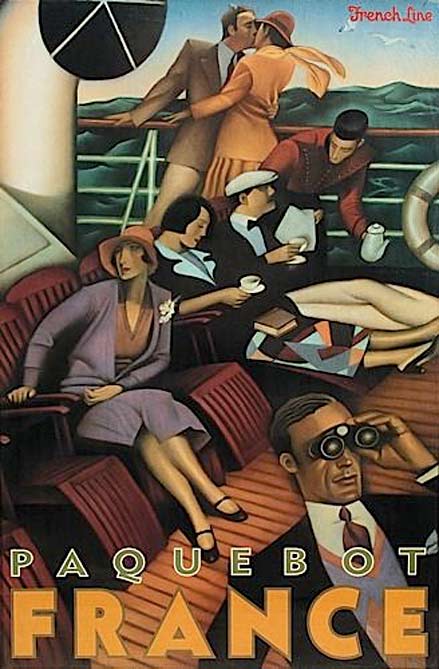
Perusing the poster arts
Exploring light on the Full Moon
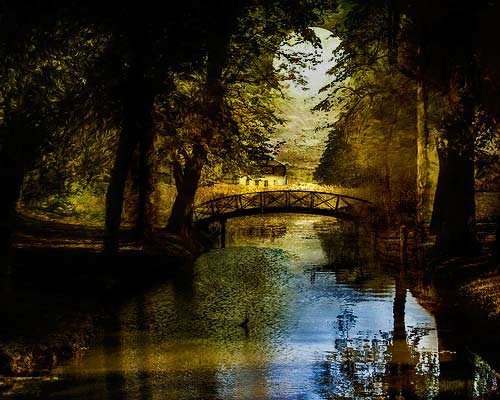
Moon over bridge – Photo by Birgitta Sjostedt – flickr
Steven Forbes deSoule – Raku with lush hues
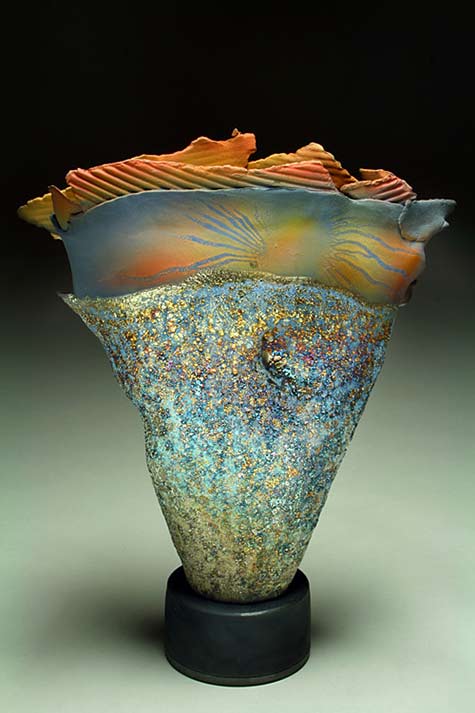
‘Space Rock Monolith’ – Steven Forbes
Diversity of clay designs – South Africa
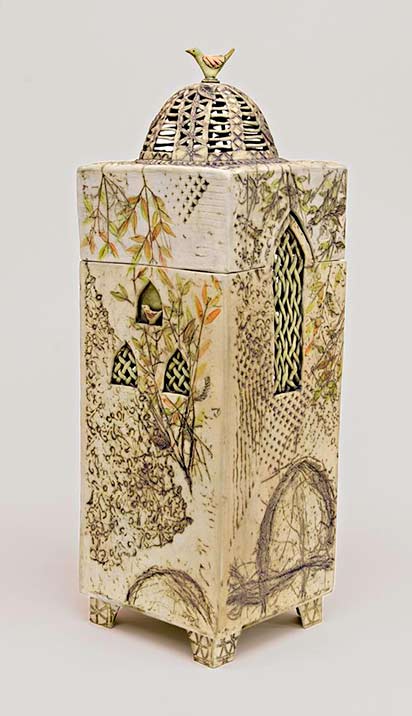
Dream Box ‘spring-celebration’ by Catherine Brennon.
Fashion and Clay – Belgium, USA
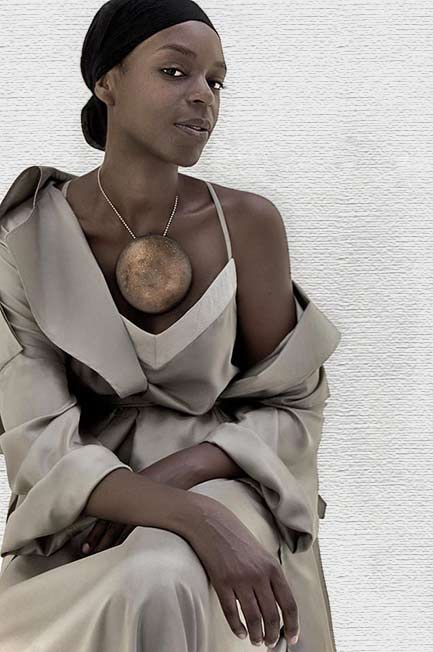
Roger Capron – vivacious Vallauris ceramics
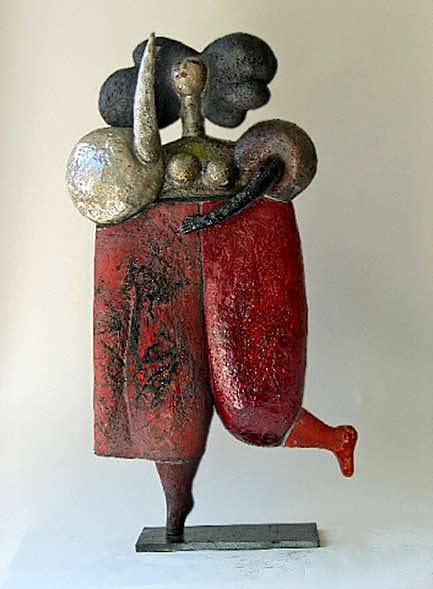
‘Hopping’ – Roger Capron
Contemporary sculptural busts
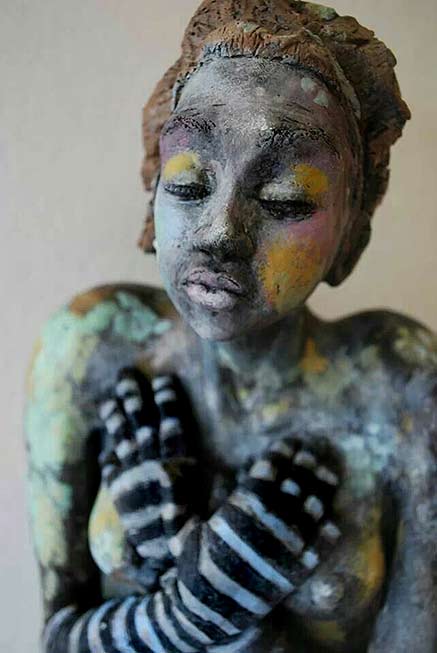
Marnie Gable
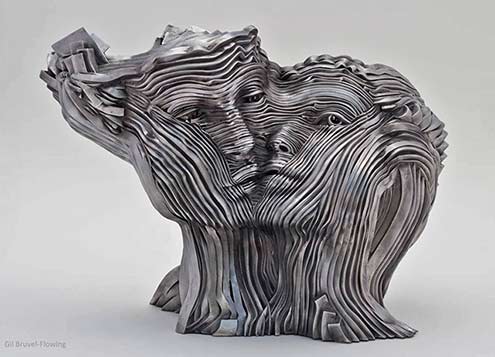
Gil Bruvel – ‘Flowing’
Futuristic utopian fashion innovations
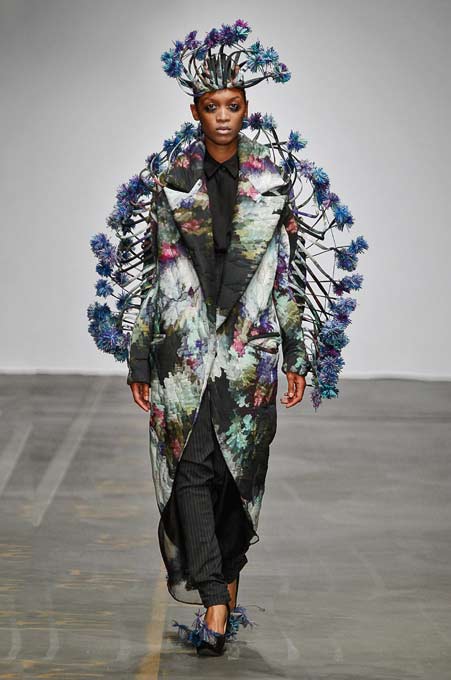
Yojiro Kake Design for The Creatures Factory
Encounter with a mystical spider
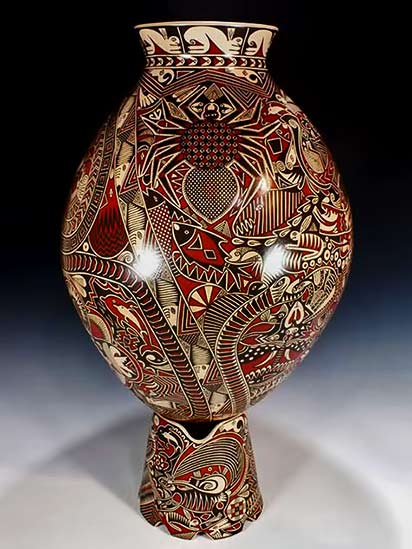
Spider motif olla – Goyin Silveira
Contemporary clayartist concepts
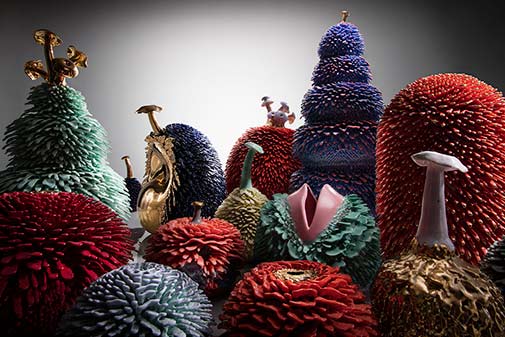
Haas Brothers
Andrea & John Gill – decorative ceramic art
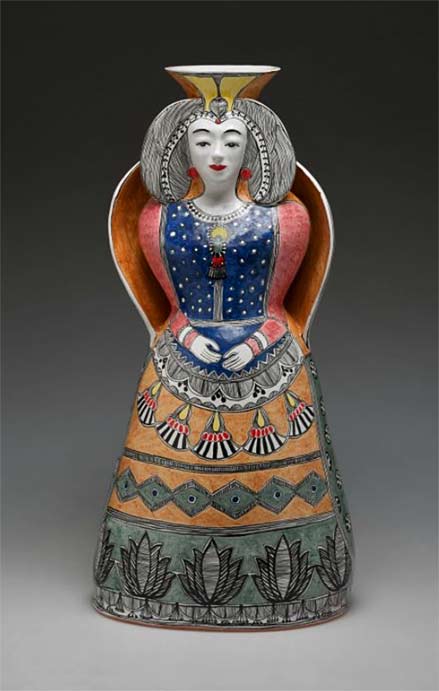
Aussie sculptural landscape
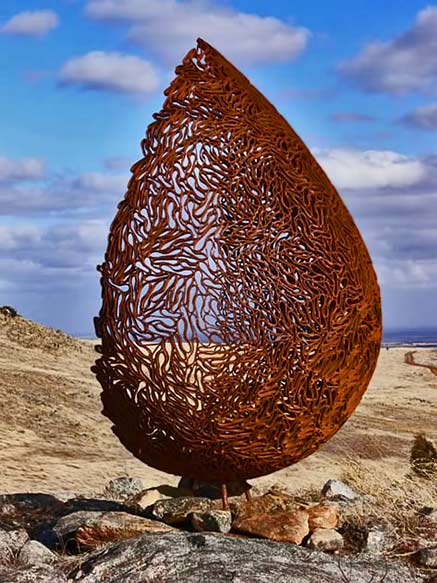
‘Returning to Whole’ – Astra Parker
The ceramic recreations of Munemi Yorigami
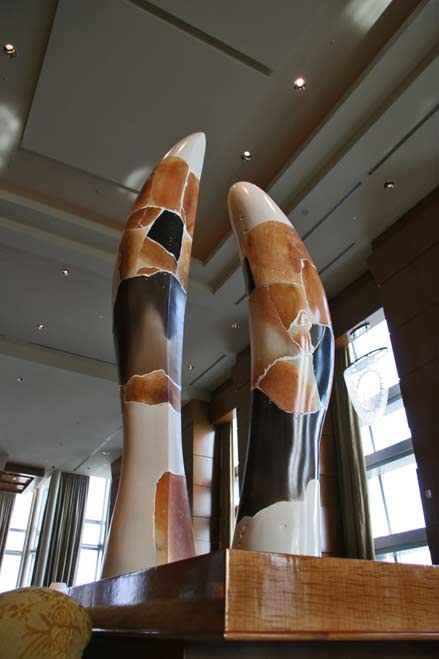
Munemi Yorigami – fragmented sculptures
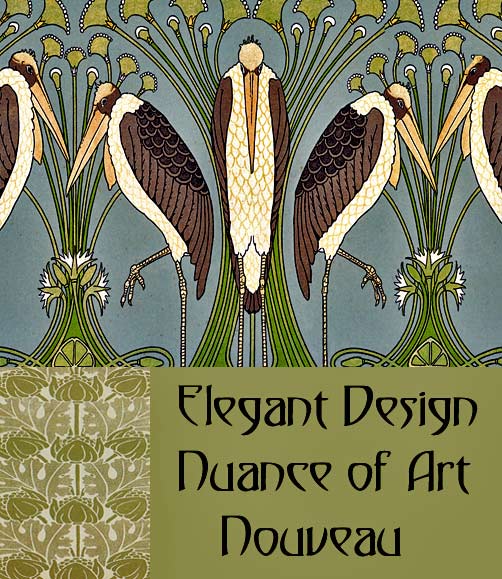
Elegant Design Nuance of Art Nouveau
Art of the Buddha:
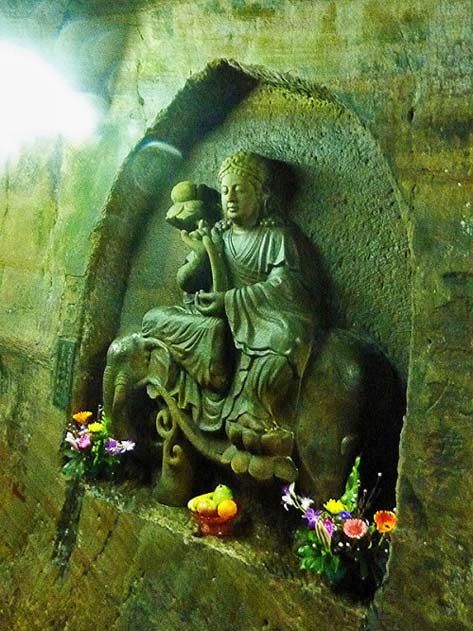
Fairy cave temple, Keelung
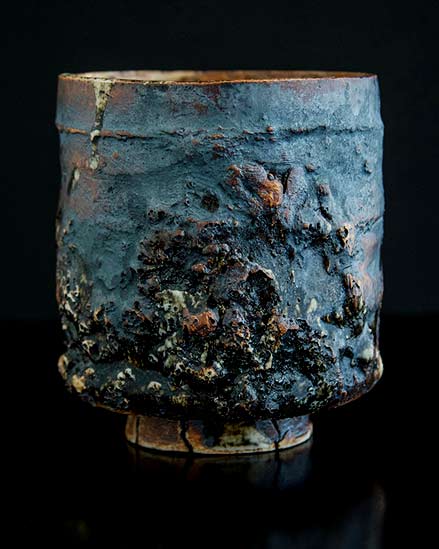
Shino Glaze Diversity – Adam Whatley
Gilded cosmic gyrations of Lina Viktor
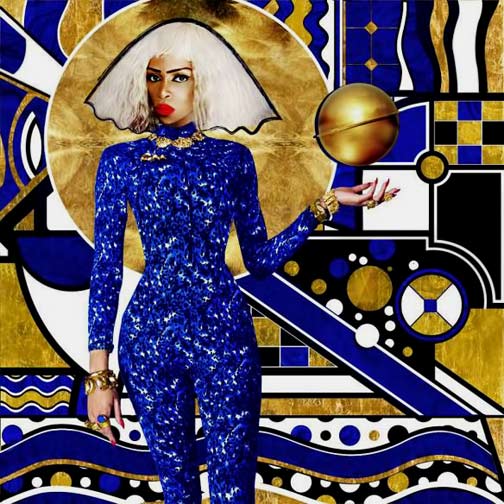
Golden disks, orbs and triangles arranged with an array of sacred precision, iconography and Egyptian art deco geometries, boldly infused with electric blues, white and black to conjure a transcendent whole.
Street Cred Visuals
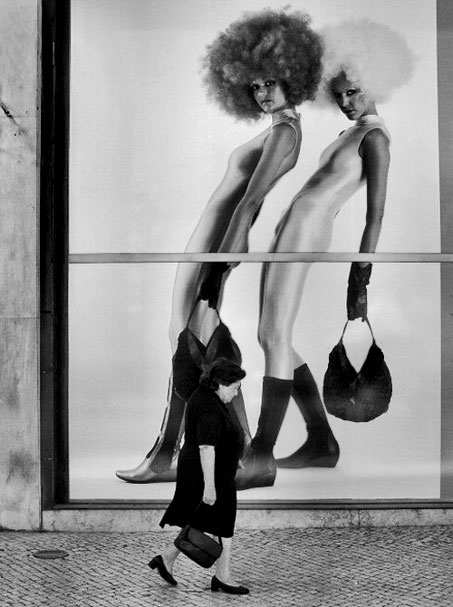
Photographer Rui Palha, Portugal
Mixed Media Ceramic – 2D and 3D
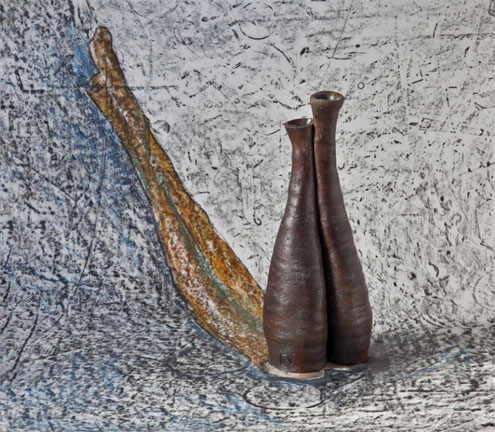
Catherine White
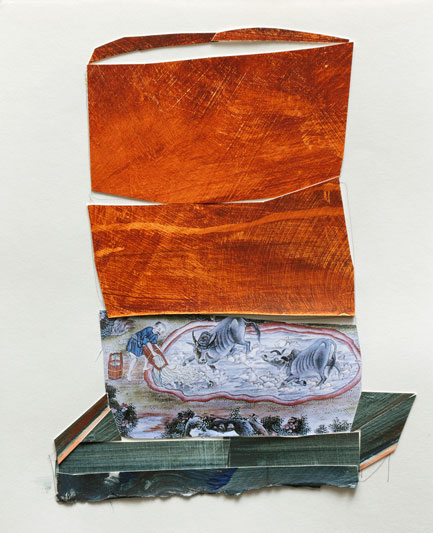
Nancy Selvin
Intriguing Artifacts of the Ancients
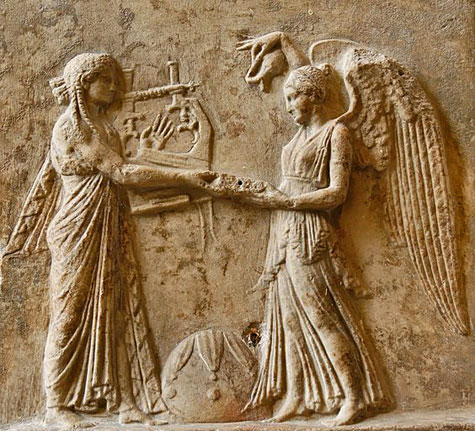
Apollo carrying his kithara holds a phiale (flat cup) for Nike (Victory) to pour a libation into with an omphalos (sacred navel) in between.
Louvre
Interior Design deliberations
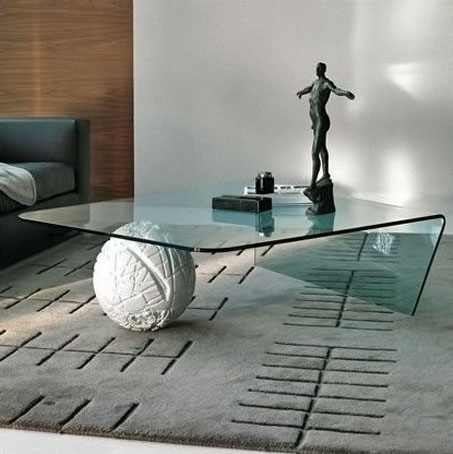
Clays enlightened – contemporary, quirky, surreal
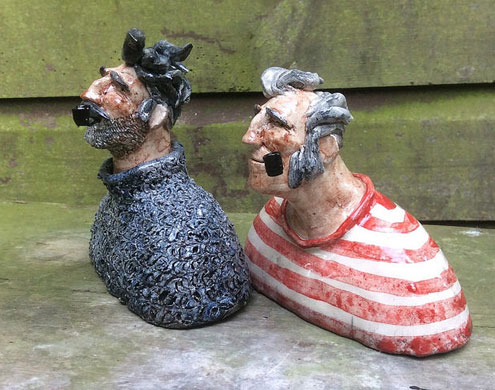
Joe Lawrence
Japanese Geisha’s tradition in art
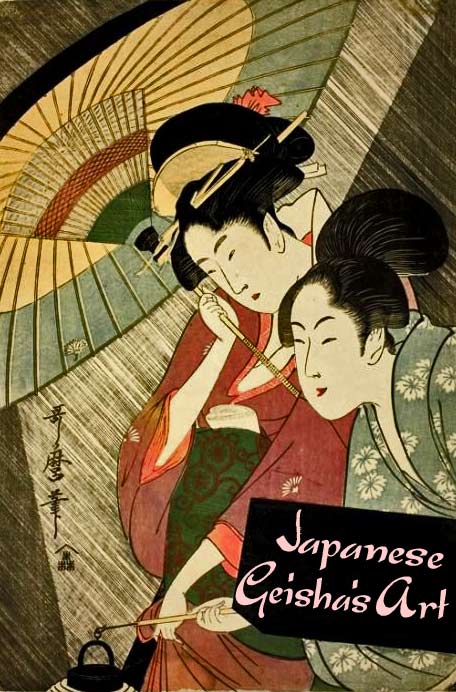
Russell Ackerman Lancaster potter
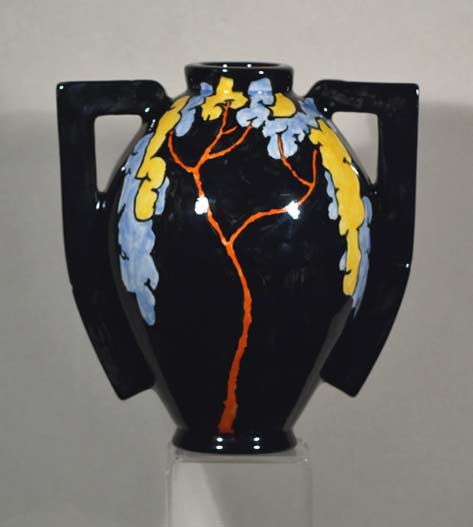
‘Echo Of Deco’ – art deco inspired vase
Daily Pottery Art Feed extended
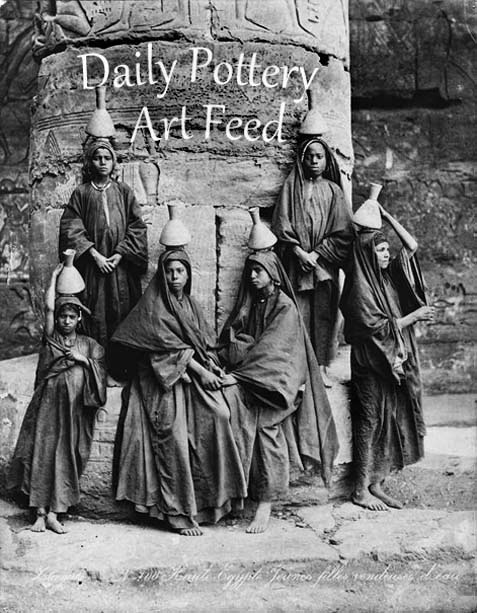
Regular pottery updates
Amazing Octopus Art
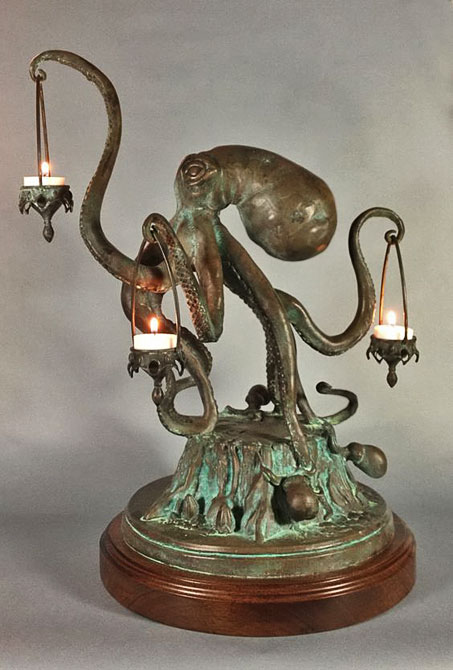
Scott Musgrove Octolamp
Afrocentric Artistry
Cats and Dogs
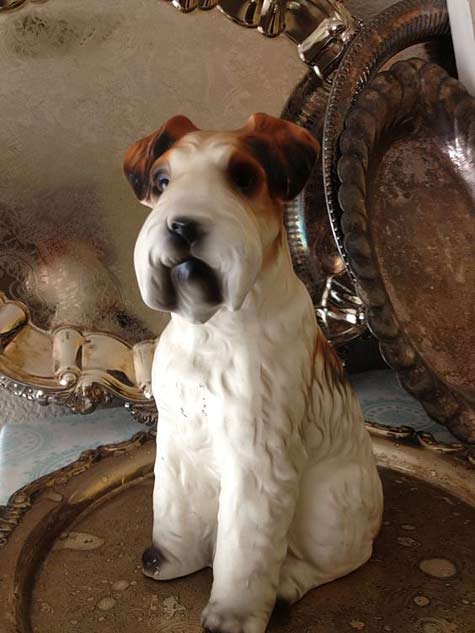
Wirehair Fox Terrier Statue
Sixties quest for the elusive eden
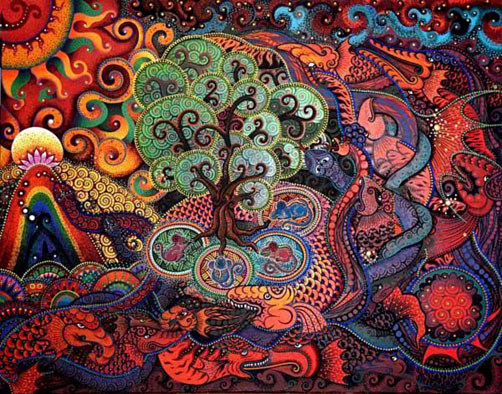
Intriguing Clayart Oddities and Obscuria’s
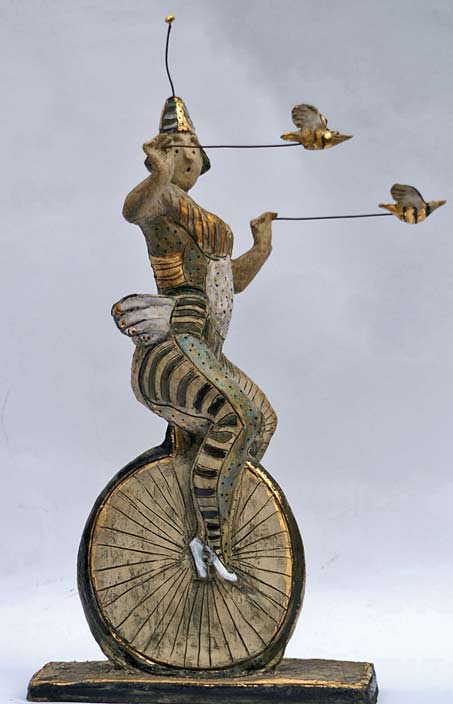
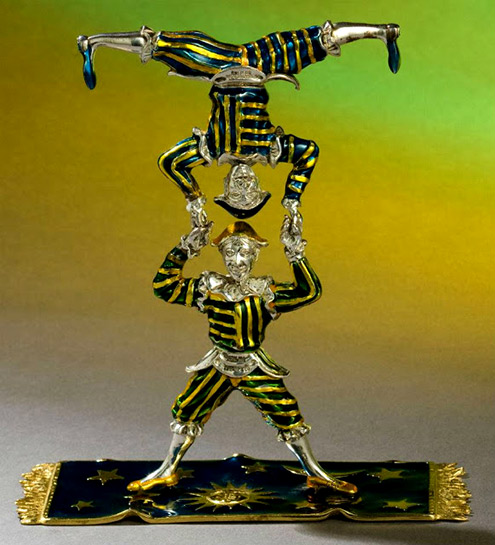
Circus performer – Hermien Buytendijk
‘Obscurio’ is a term I use for pieces that arouse curiosity but have their meaning obscured, either by vague, incongruous visuals, lack of information in the title or deliberate concealment.
Flight Of Bunjil
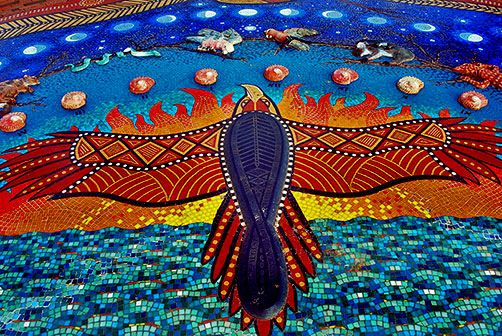
Mosaic sundial, Torquay
Ceramics – subdued palette, matt surface
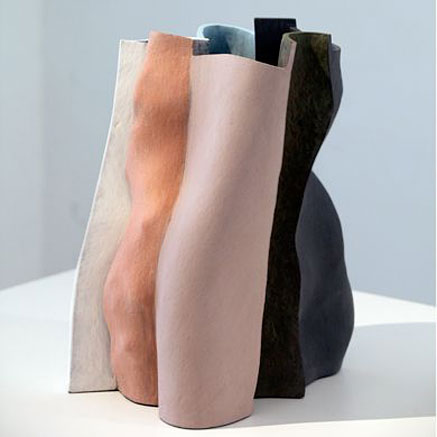
Ken Eastman
Sculptures Of Abstraction
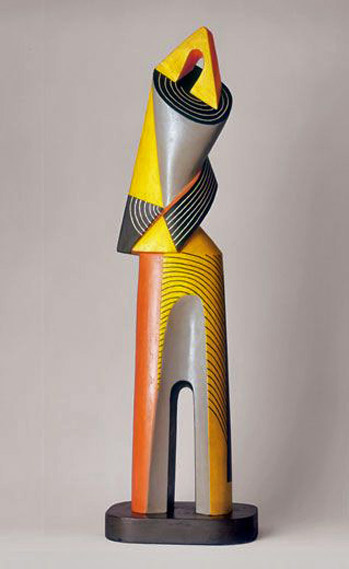
Alexander Archipenko, ‘Architectural Figure’
Portuguese Azulejos Art Grandeur
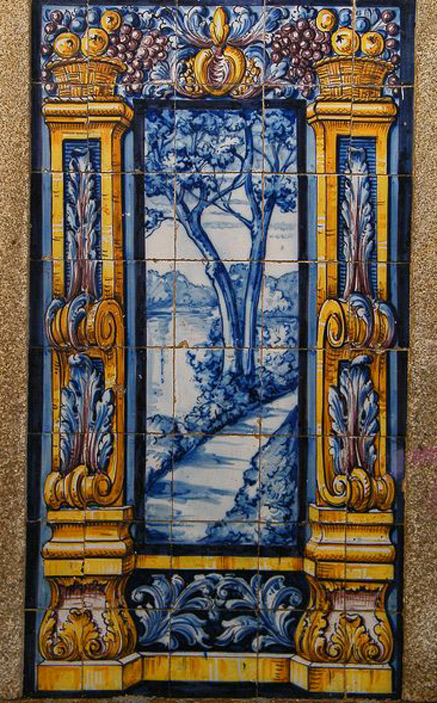
Mural street art
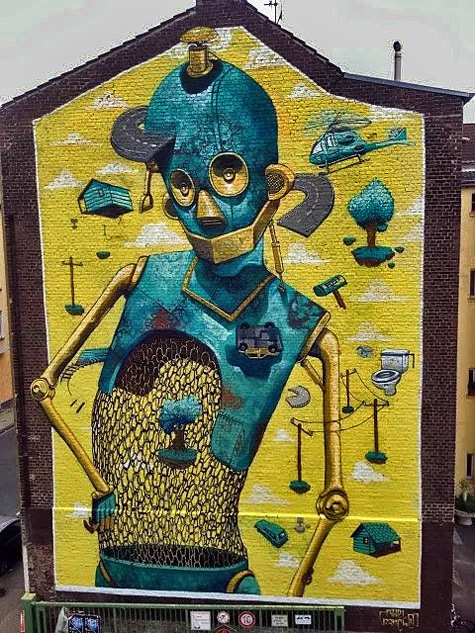
Pixel Pancho
Contemporary art plates and platters
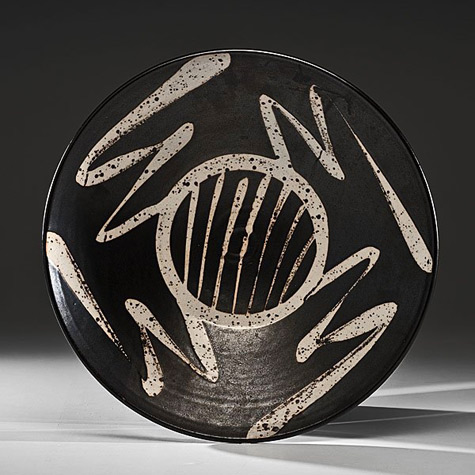
‘Black and White Charger #1’ – David Nelson
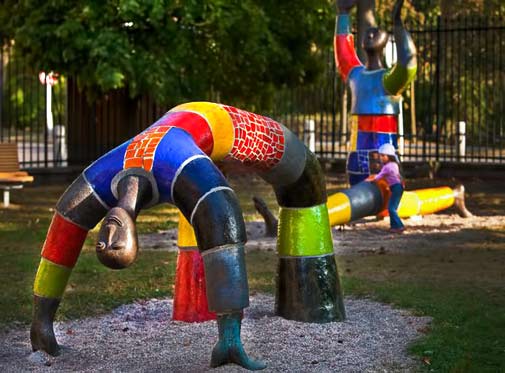
Fun sculptures of the playground
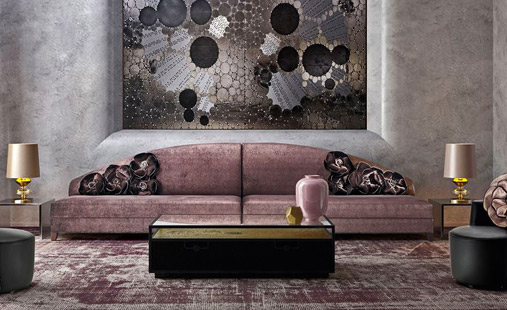
Inspired Decor Dynamics
Art Deco Dandy
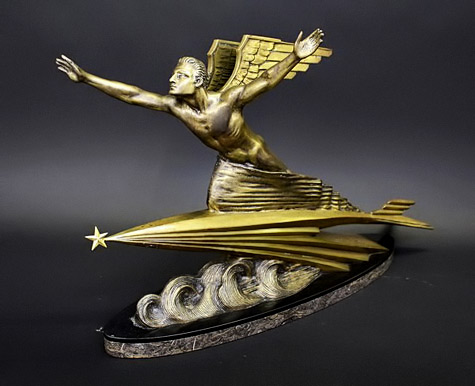
‘L’Aviation’ – Frederic Focht
Aficionado coffee sets design
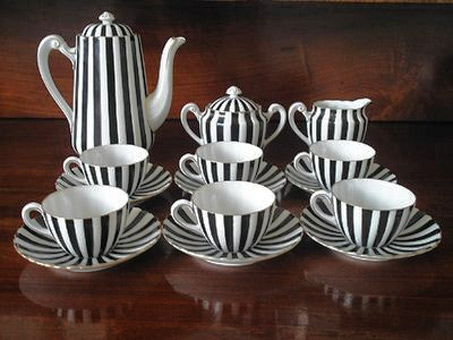
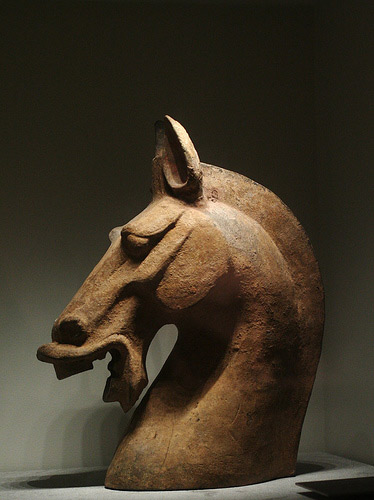
Awesome Horses In The Arts
Contemplating Zen floral design
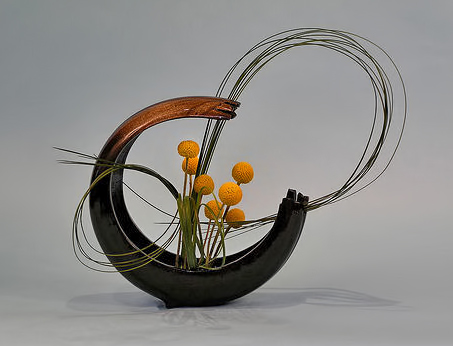
Infinite Ikebana
Eternal Spring
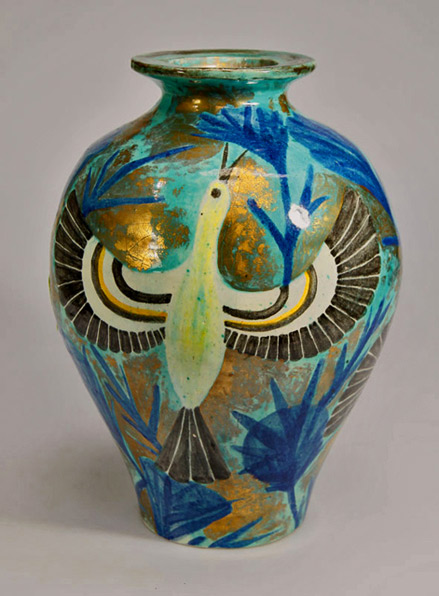
Edouard Cazaux
Modern Italian Mosaics Design – SICIS
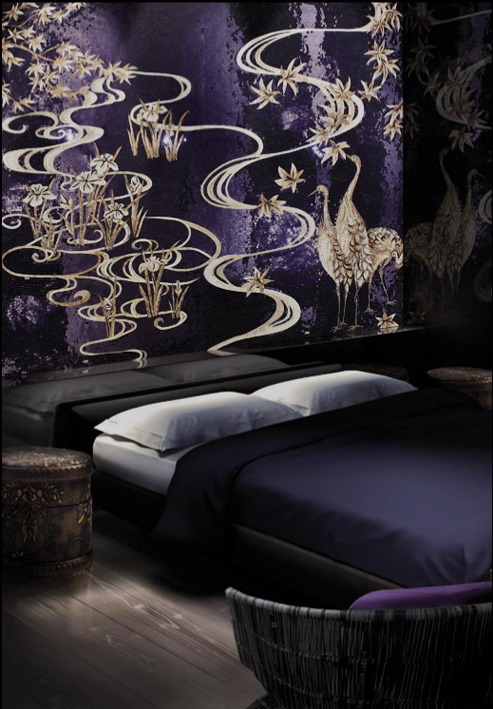
Mystical gardens and sculptures tour
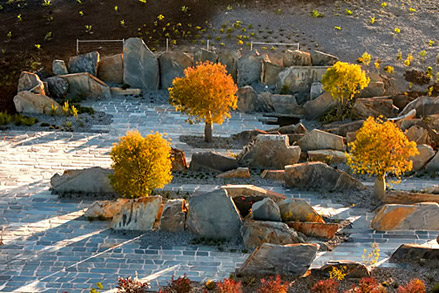
Australia Contemporary Garden
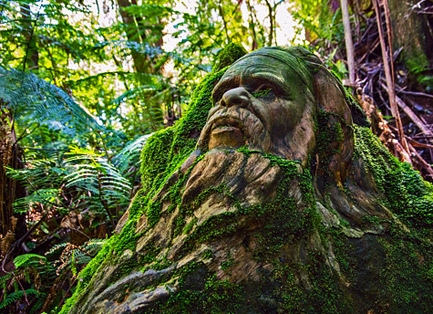
William Ricketts Sanctuary
Ceramic Narratives
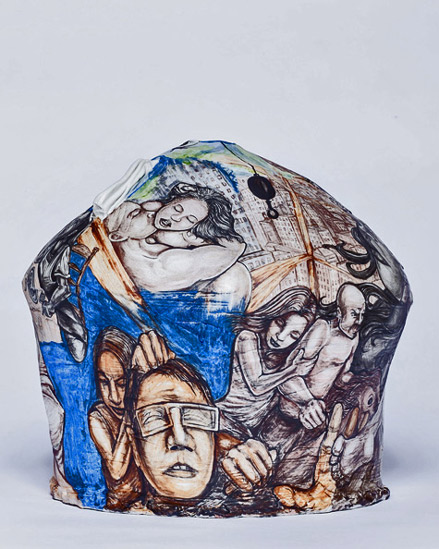
Gerardo Monterrubio – 2014
Sally Hook – bush ceramics
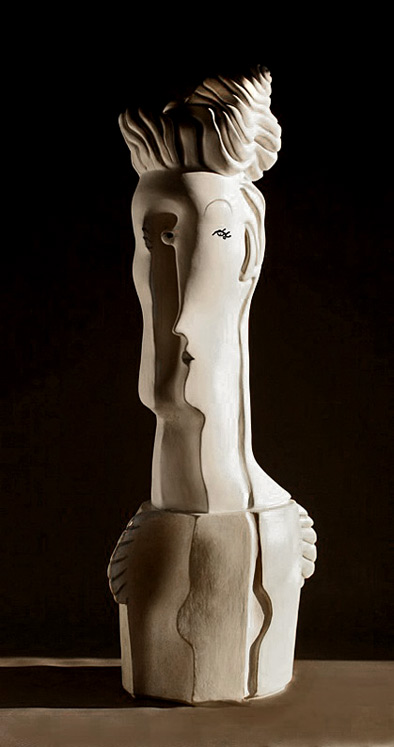
Highness – Sally Hook
Mosaic Sculptural Art
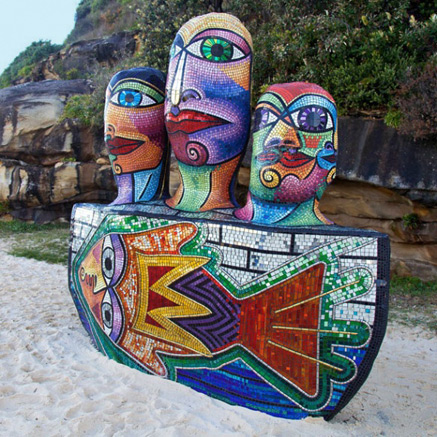
‘Ship of Fools’ by Deborah Halpern
The Doctor visits Vincent
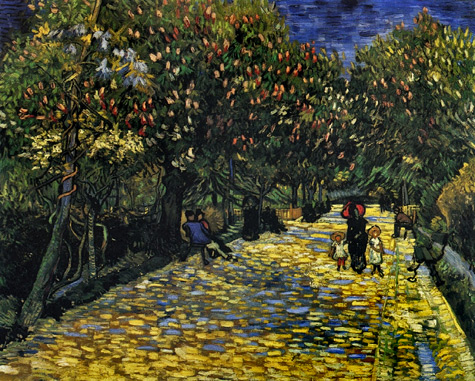
Balombini and Bollini – mixed media arts
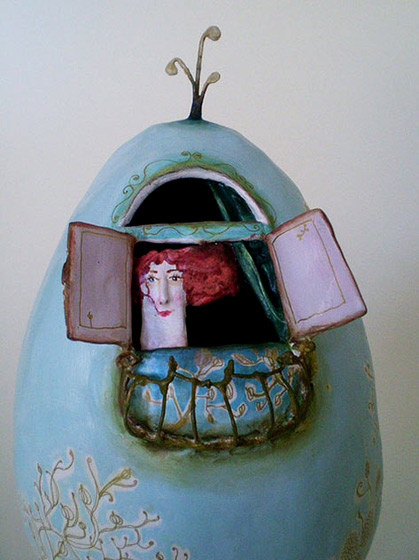
Woman in Window – Juliana Bollini
A teapot charm offensive
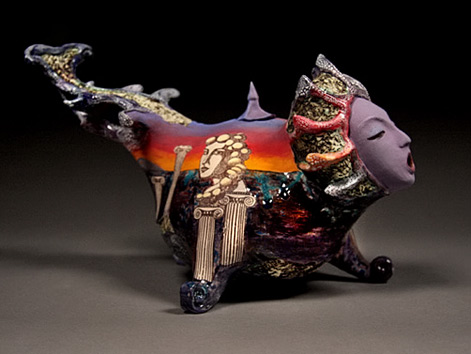
Natasha-Dikareva – ‘Between East and West’
Dhokra Tribal Art
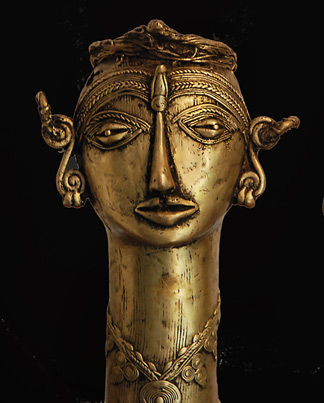
Dhokra tribal Art
Roelna Louw sculptures
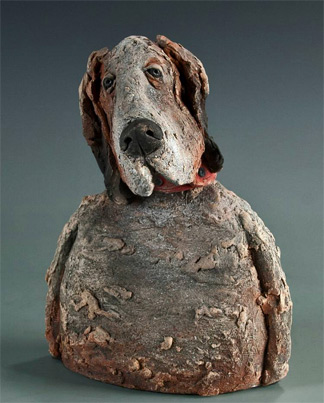
Roelna Louw sculptures
Modernist marvels from the Mid-Century
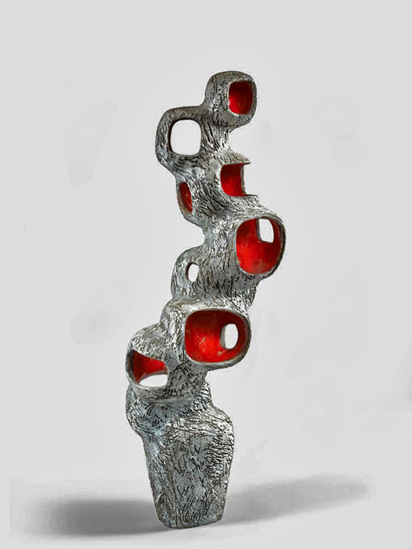
André Aleth Masson, France
Venice Art Edge, USA
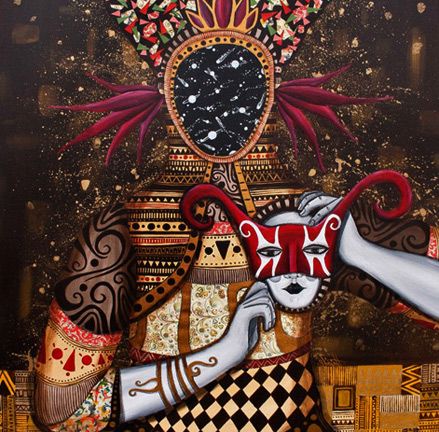
“Inner Universe” – Skount (Spain)
C.A.V.E Gallery Venice, CA
Exotic Egyptian Art Deco
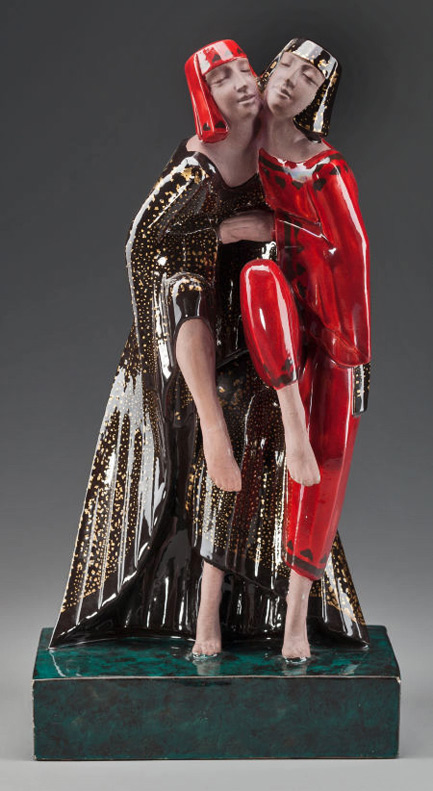
Art Deco dancers figurine – Marc Guillard, Paris
1920
Art – contemporary OZ
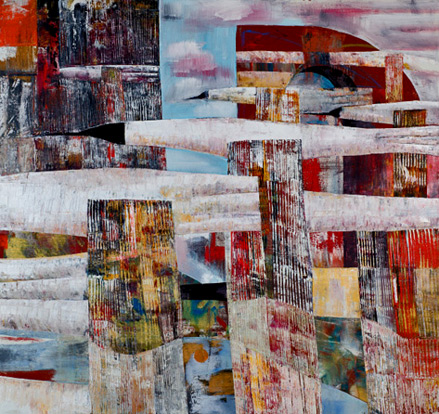
‘Ibis In Flight’ — Kate Elsey
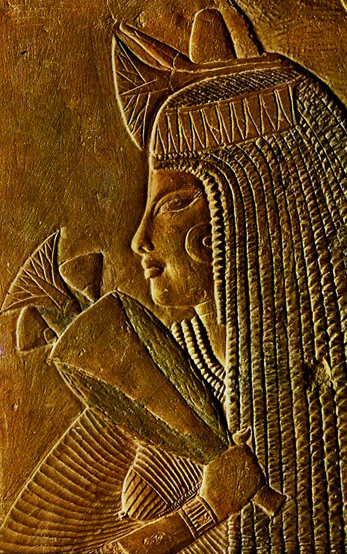
Relief Art Egypt
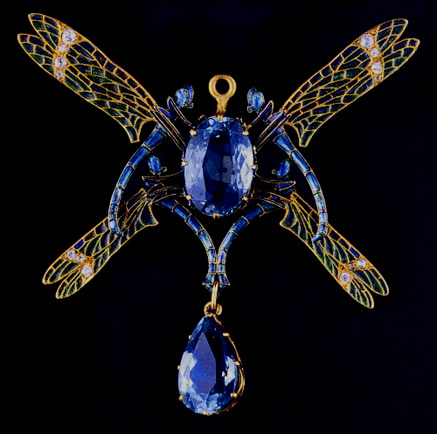
Lalique – French sublime design
Entering the elegant world of Rene Lalique can be spellbinding and it’s easy to be off with the fairies, sirens and nymphs in a forest of serpents, dragonflies, ravens, swans, bats, gazelles, butterflies and other exotic creatures from the Nouveau repertoire.
Pottery resurrection Mata Ortiz
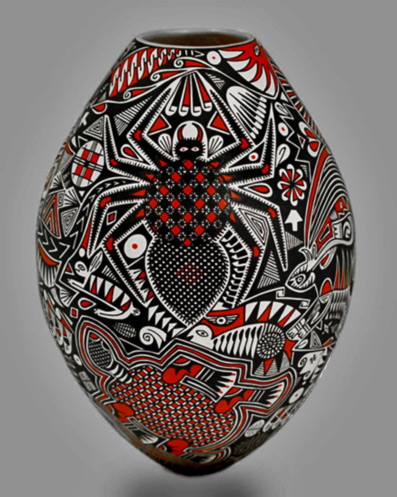
Goyin Silveira — ‘Tarantula Olla’
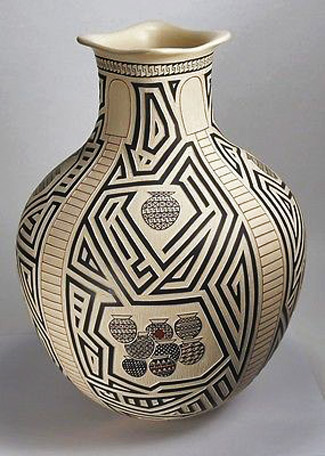
Roberto Olivas Sgraffito Olla
Gardens with sculpture
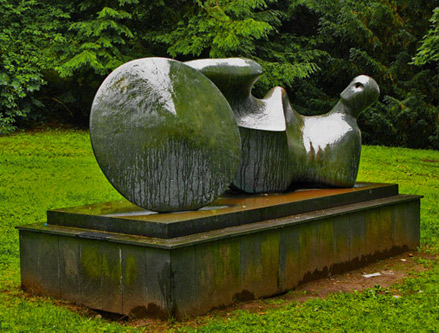
‘The Goslar Warrior’ – Henry Moore
Futurist Fervor
Unleashing the futurist dynamic:
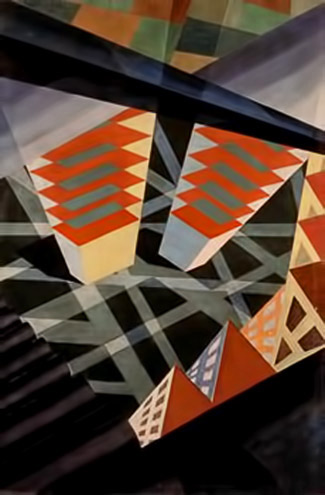
‘Perspectives in Flight´– Futurist Fedele Azari
1926
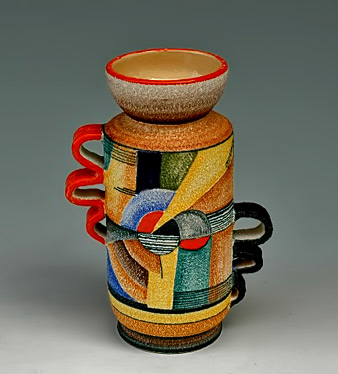
Mazzotti vase
French Designer Jean Dunand
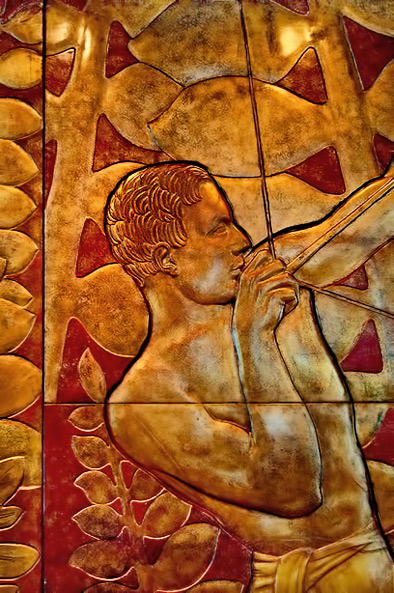
Jean Dunand—lacquered panel from ‘La Chasse’
Contemporary sculptures from Greece
The contemporary art of three Greek sculptors – Theodore Papayannis, Yiannis Nanouris and Yannis Koutsouradis.
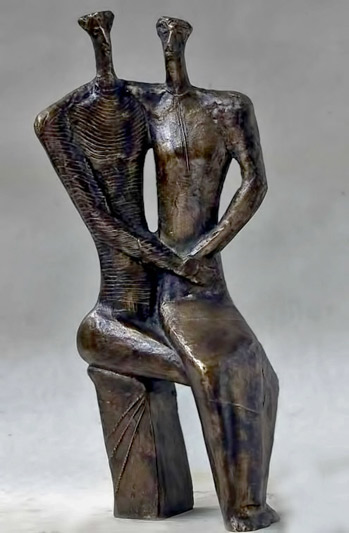
Theodore Papagianni
Hideaki Miyamura
Creating a new glaze has been a lifelong passion for Hideaki Miyamura, his newest glaze being a ‘crystalescent’ yohen.
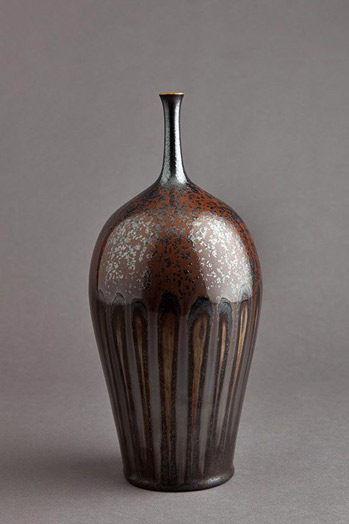
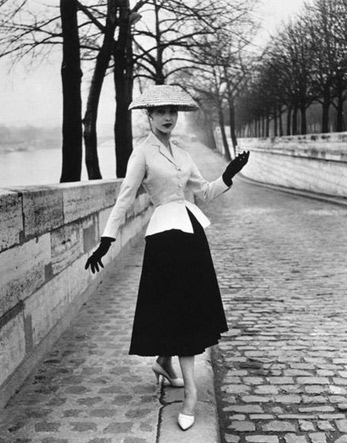
Sculptural Couture
‘Convo’ Rescue interior decorating
Circus Performance in the Arts
Contemporary Clay In Santa Fe
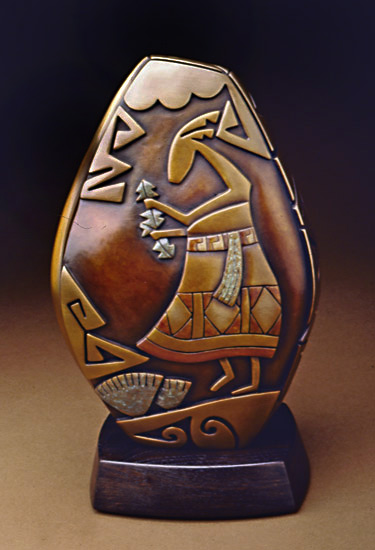
‘Kokopelli’ – Tammy Garcia
Street Sculpture
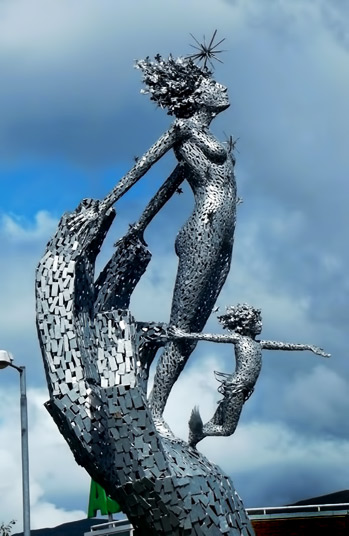
‘Lifeline’ by Andy Scott
Ceramic Wine Pots
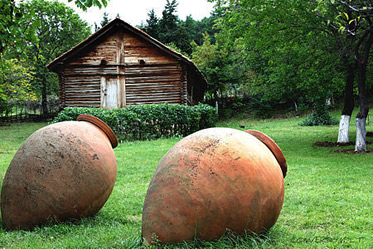
Qvevri wine pots from Georgia
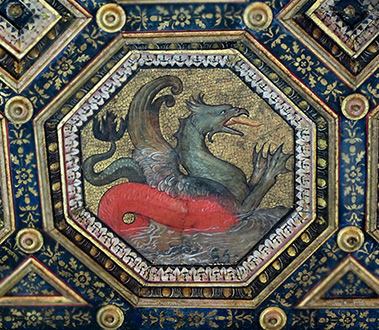
Dragons In The Arts
Josephine Baker Captivates the Jazz Age
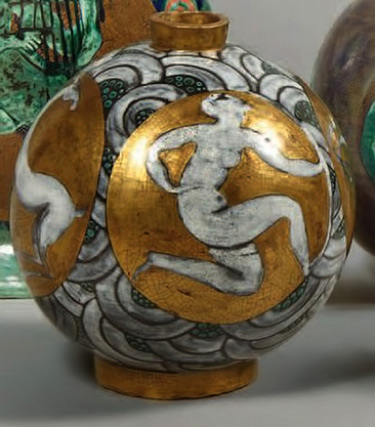
Edouard Cazaux Jazz Age vase
AMOCA – American Museum of Ceramic Art – 10th Anniversary
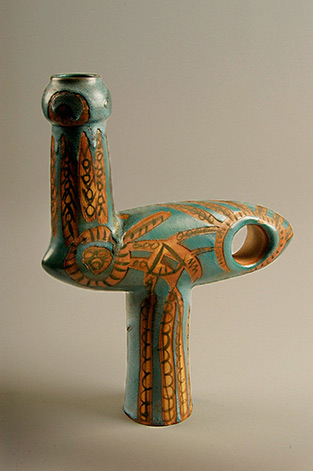
Mid Century sculpture – 1959
Public Sculptures – Canberra Australia
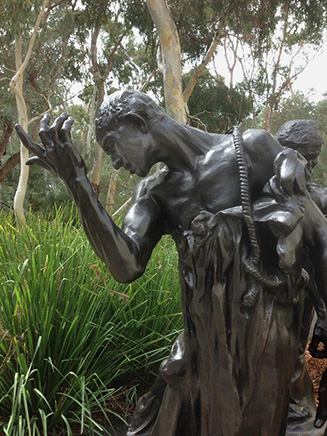 Auguste Rodin sculpture in Canberra
Czech, Bohemia Clayarts
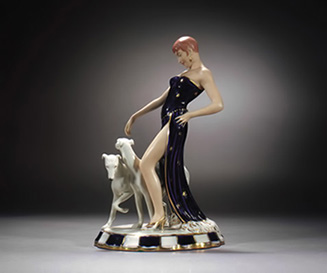
Czechoslavakia is blessed with a fascinating history of ceramic design which developed rapidly after the introduction of porcelain in the 1790’s.
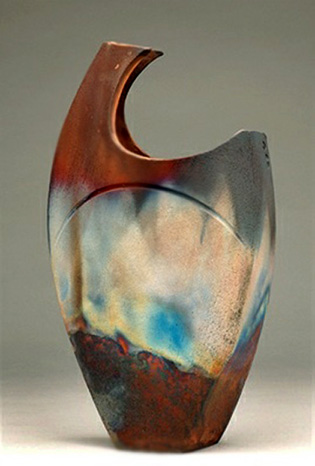
Pottery Raku Rapture
The originator of raku in Japan was Sasaki Chojiro, who first produced raku pieces for the Japanese tea ceremony in the 16th century. He learnt the technique from his father Ameya, who was trained in the Ming Dynasty Sencai pottery tradition and was brought to Kyoto, Japan from China.
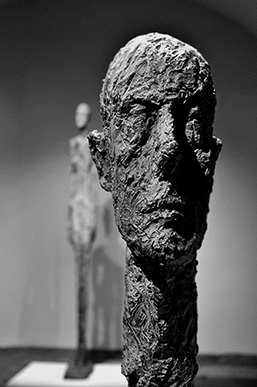
Unique Clayart
Sea Sculptures
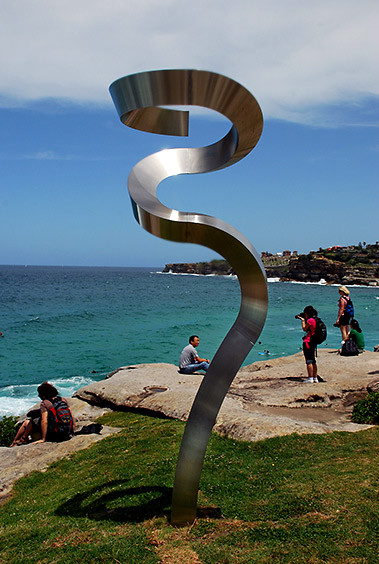
Transfiguration Screw IX by Mitsuo Takeuchi
Egyptian Revival Art
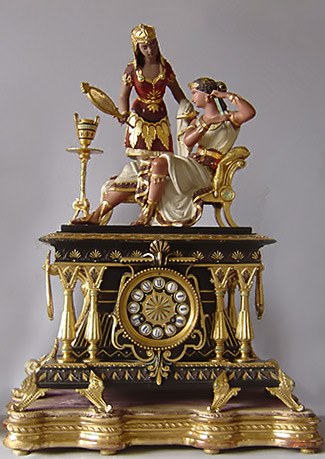
The Roman rule of Egypt from 30 BC to 395 AD led to Roman decorations incorporating Egyptian motifs and an increased interest in Egyptian culture. During the Italian Renaissance “Egyptomania” resurfaced.. read more
Pottery Arts – The Masters
Celebrating the potters and pottery companies that have been recognized for their contribution to the ceramic arts with their unique designs, innovations and classic creations and their influence in introducing new styles and movements in the field of ceramics.
Ceramics Moderno – Marcello Fantoni
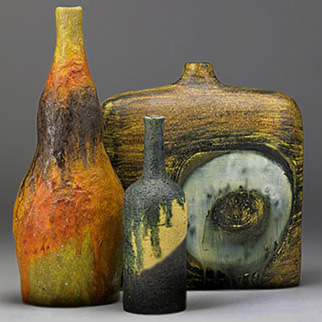
Many Mid-Century collectors covet a Marcello Fantoni piece for their flair and originality. Fantoni’s ceramic designs came to embody the timeless appeal of classic and traditional Italian pottery merged with challenging modernist and progressive movements. Read More
Stream of white
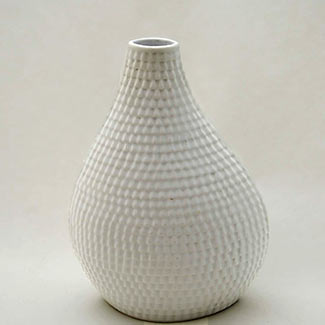
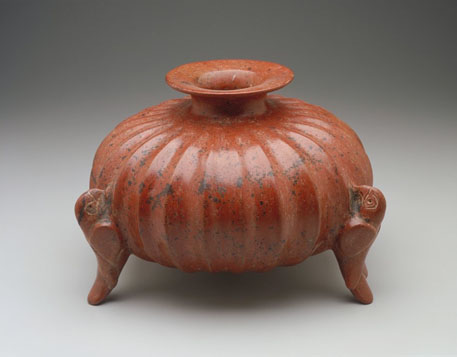
Elephant Ceramics — Michele Michael
7 Koans, 30 unknown artists
Koan : Once a division of the Japanese army was engaged in a sham battle, and some of the officers found it necessary to make their headquarters in Gasan’s temple. Gasan told his cook: “Let the officers have only the same simple fare we eat.” This made the army men angry, as they were used to very deferential treatment. One came to Gasan and said: “Who do you think we are? We are soldiers, sacrificing our lives for our country. Why don’t you treat us accordingly?” Gasan answered sternly: “Who do you think we are? We are soldiers of humanity, aiming to save all sentient beings.”
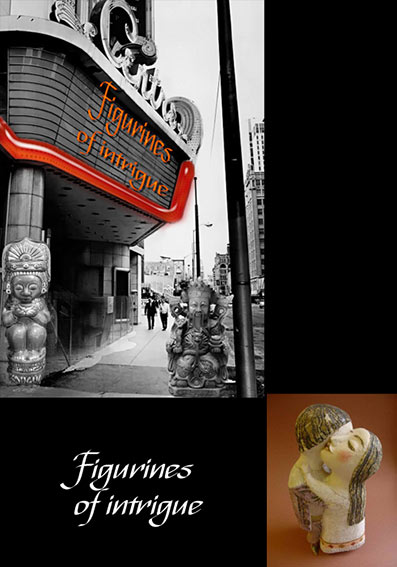
Figurines Of Intrigue
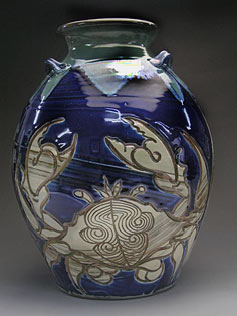
The Okinawan Clayart Bio Chi
The Okinawan’s believe they are teenagers up to the age of 50, which is probably the most distinctive quality in their mindset compared to the West.
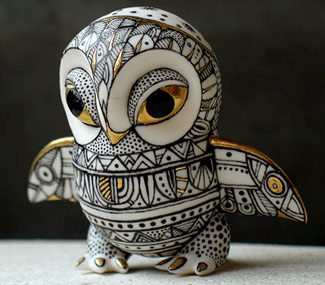
Ukrainian painted porcelain sculptures :
Anya Stasenko and Slava Leontiev
Egyptian pottery :
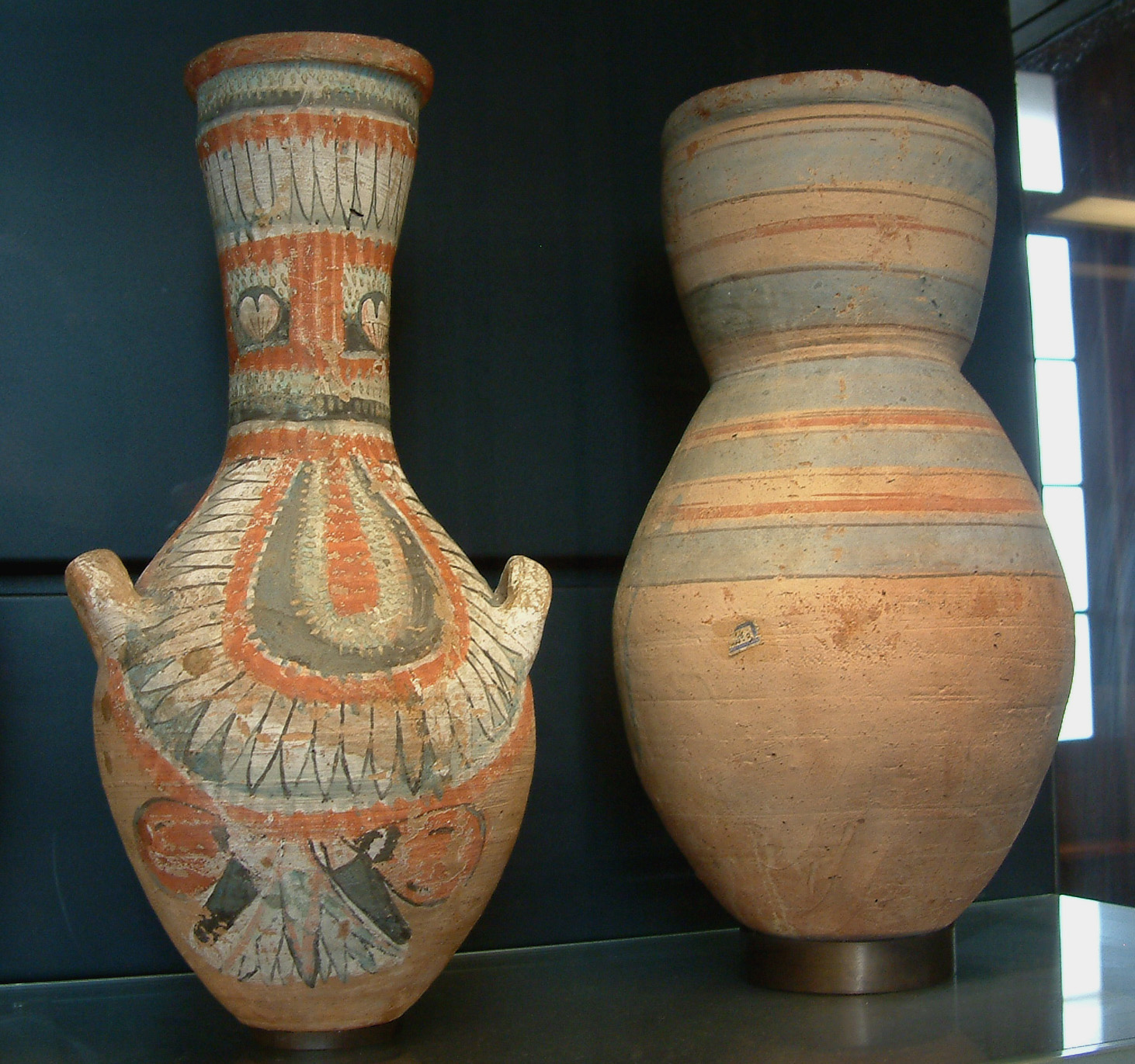
The ancient Egyptians were gifted artisans and pottery was an art where they excelled. Egypt in the pre dynastic period produced pottery of very high quality From 3000BC on their pottery was decorated with depictions of animals, humans, boats and various other patterns and symbols. Two main veins of pottery existed during this period, pottery from Nile clay ( red/brown after firing ) and pottery from marl clay ( usually polished to give a lustrous look ).
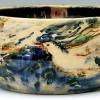
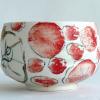
The bowl in the top right corner of this page was created and photographed by ceramicist/photographer Philippe Buraud at la porte du soleil