
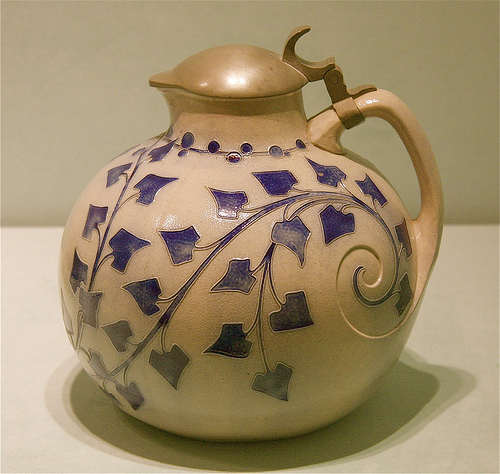
The style of pottery referred to as salt glazed or salted is created by adding common salt, into the chamber of a hot kiln. When kiln temperatures reach the melting point of common salt, approximately 900 C (1660 degrees °F), granulated or rock salt can be introduced into a kiln through peepholes or other openings. It vaporizes and combines with the silica and alumina in the clay to form the glaze on the surface of everthing it touches in the kiln during the firing. This results in a surface blush of colour formed on the ware body. At higher temperatures, over 1280°C (2350°F), the salt fumes have a remakable effect on clay under heat.
The unique characteristics of salt glazing were discovered in Germany in the 14th century. As many things go, it was most likely come upon by accident. Perhaps some salt soaked wood (from pickling barrels?) was tossed into the kiln for the wood fuel. The salt vaporized and glazed the pieces inside the kiln. It was a great time saving measure. No need to glaze the pieces before they went into the kiln. Initially, the process was used on low fire earthenware and later was adapted to salt glazed stoneware ( 15th century ) Salt fired glazing is still widely used today and there are numerous commercial enterprises using the method. Salt glazes usually can be recognized by the “orange peel effect ” which gives the ware a pebbly, glossy, glazed surface.
.
Not unlike Raku, salt glazes are somewhat unpredictable, but that is part of the charm of employing this method , which sometimes delivers extraordinary results. Salt glazed ceramics are fired to temperatures of Cone10 ( 2381 F ), are extremely durable and can be used safely with food and beverages.
The English company Denby Pottery, is still in production after 200 years and used salt glazing techniques to manufacture durable kitchenware and decorative pieces to great effect.
Due to the corrosive nature of salt , they aren’t really suitable for metal kilns and really require a kiln with non-corrosive surfaces. The myriad of parameters that influence the outcome of this process sometimes makes it impossible to duplicate results. Don’t place the ware directly on the kiln surface because it will fuse .
There are numerous recepies for the salt mix and the technique definitely lends itself to creative experimentation. Happy firing.
” Morning Ritual “
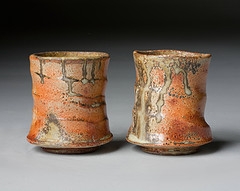
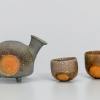
Wood Fired Paul McCoy Salt Glazed Mugs
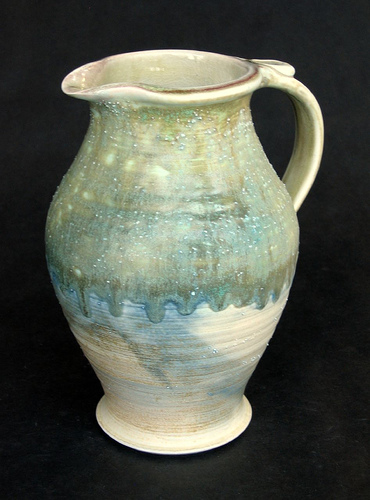
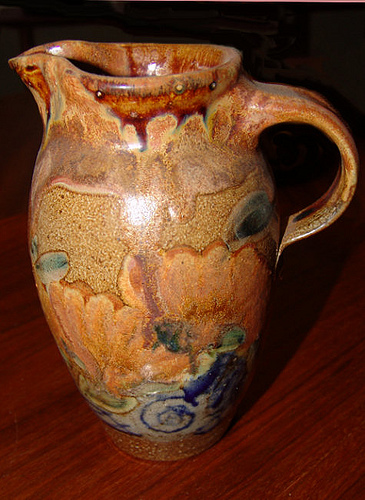
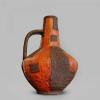
Salt Glaze Pitcher
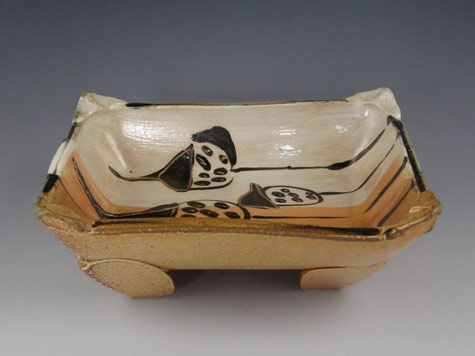
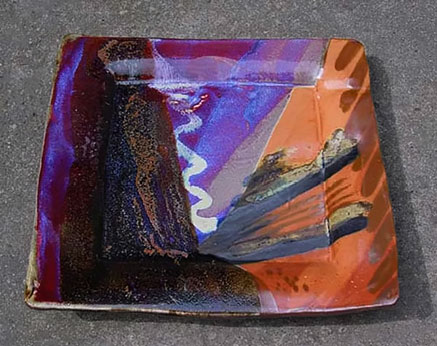
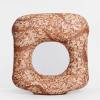
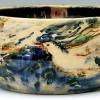
Suze Lindsay salt glaze slab dish ( shambhala pottery )
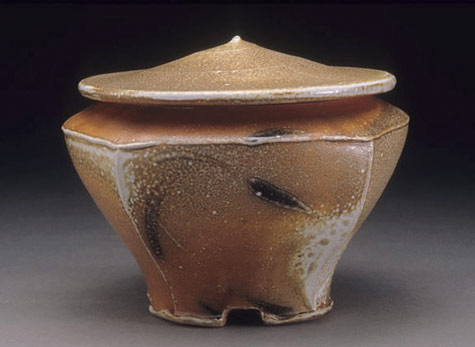
Linda-McFarling
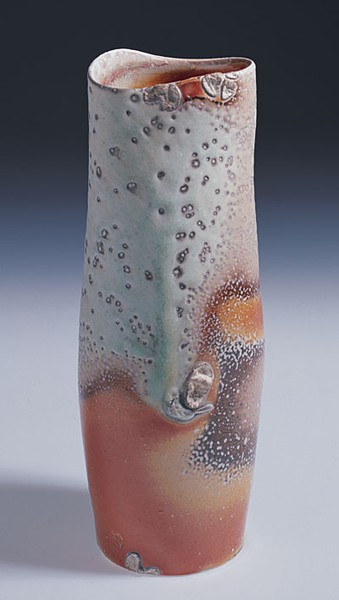
Image -Ceramic Arts Daily
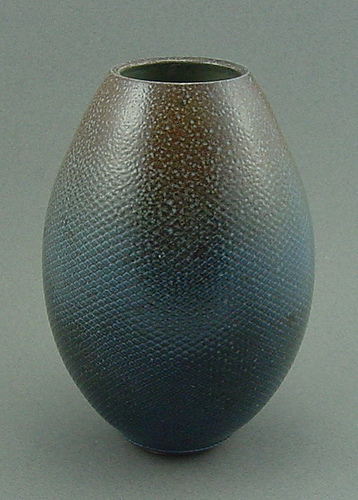
Jason Bloom – site here
Stoneware with blue engobe sprayed over resist. Salt-fired to cone 10 in reduction.
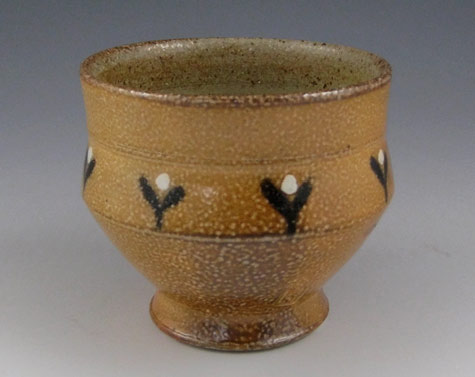
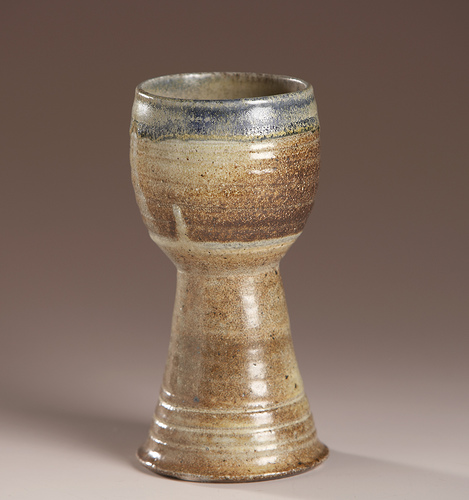
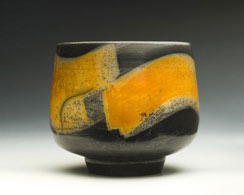
Kyle Carpenter Salt Fired Cup
( shambhala pottery )
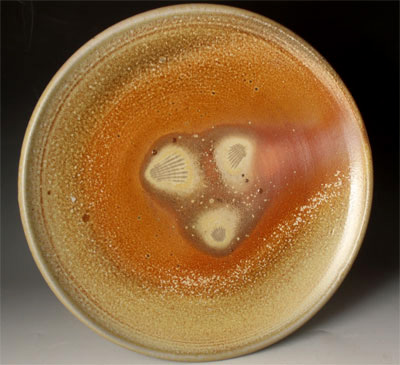
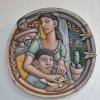
Karen Winograde salt glazed plate
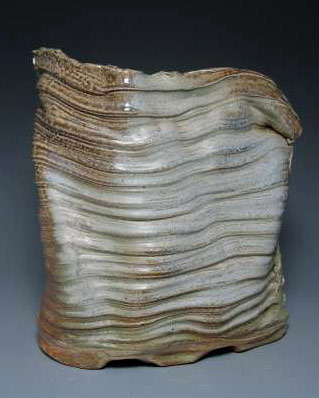
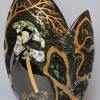
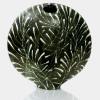
Karen Winograde salt glazed stoneware vase
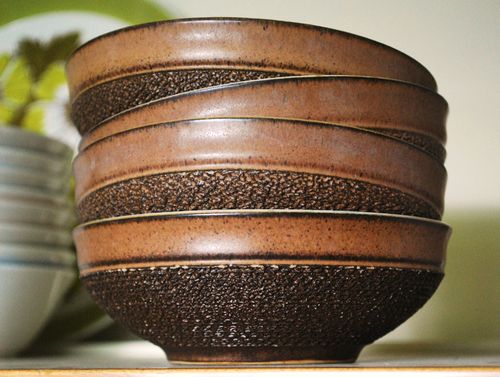
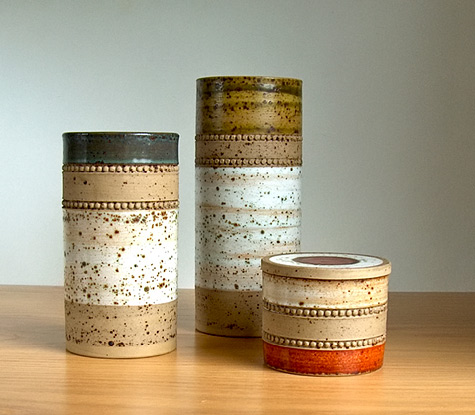
Denby ” Potters Wheel ” series
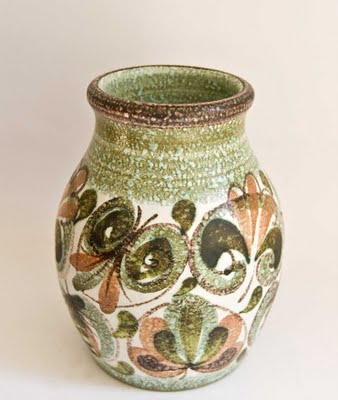 Glynbourne Vase
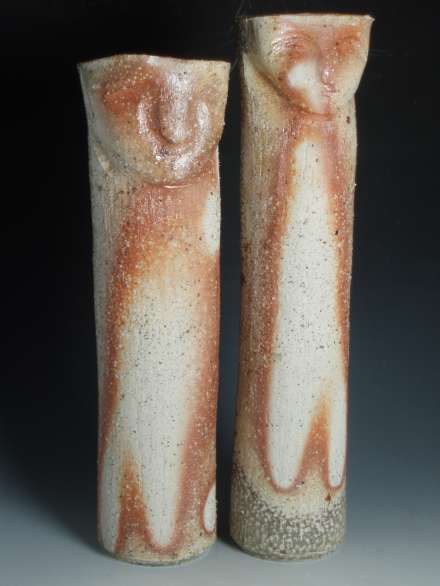
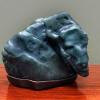
K. Winograde Mirror Image Face Vases { Salt Glazed Tumble Stacked Kaolin }
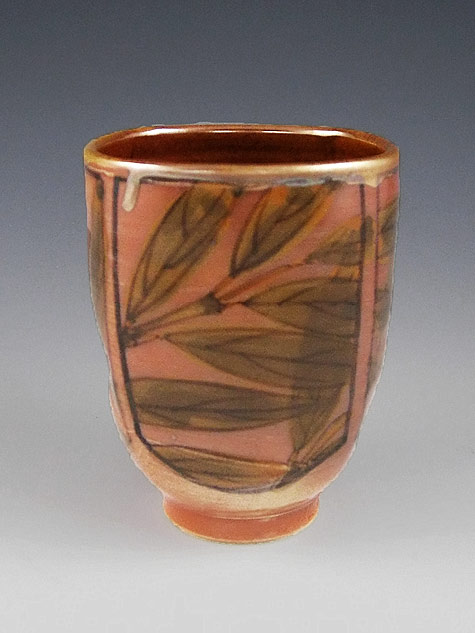
Cathi Jefferson salt glazed cup.
( shambhala pottery )





























2 Comments
whose author of this article?
Hi, I am the author of this article
cheers
Robbie Hood