
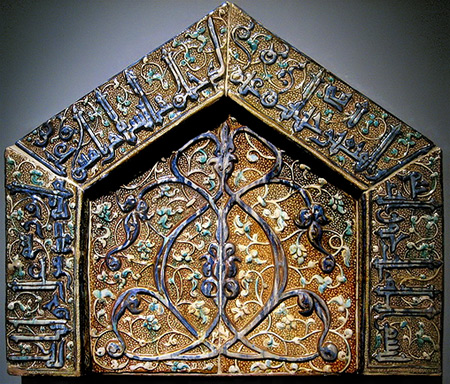
 Section of a 14th century Mihrab, Kashan, Iran
LACMA
Ceramic tile evolution
Originating in the Middle East, the earliest evidence of ceramic tile art decorations dates back to Ancient Egypt to around 4,700 BCE. There have been further findings of enamel tiling uncovered in what was Assyria (near ancient Nineveh) and Babylon; these date back to the 7th Century BCE. The art of tiling finally spread further west, becoming popular in Europe during the eleventh century, when mosaic floorings and panels became prevalent. At first it was used to decorate and adorn their churches and other religious establishments. Then much later it was used by the wealthy to decorate and beautify their homes. The Spanish and Italians made beautiful and elaborate designs in numerous geometric shapes and sizes, examples of which can be found in Spain at the Alhambra palace and also the Great Mosque in Cordoba.
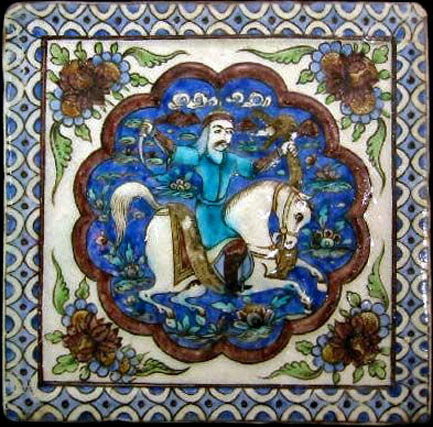
Persian Azulejos tile
The Islamic potters, led by the Persians, revived an ancient Egyptian technique, in which an artificial body material was made up from ground quartz with a small admixture of white clay and glaze. The soft paste body was then covered by thin alkaline glaze. The ‘frit’ body was white translucent when thin and capable of a wide range of decorative techniques. The tiles and wares had a fine white body, unequal to porcelain only in its softness, and a close-fitting brilliant glaze that allows a vibrant range of colors.
The invention of under glaze painting, however was very significant for the history of ceramics. The under glaze painting technique required a glaze stable enough to prevent the pattern from blurring during firing; it was discovered in the use of the virtuous alkaline glaze coating (formulae unknown). For the first time the potters were able to paint freely directly on the frit body under a protective layer of glaze. The new alkaline glaze enabled the artisan to decorate the ‘frit’ ware with precision and delicacy. Also this technique did not have the disadvantages of the earlier lead-glaze wares, which involved great expense in fuel and labor.
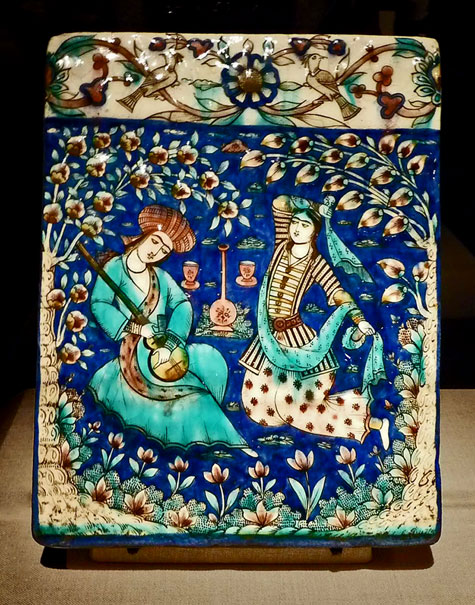
Persian glazed tile
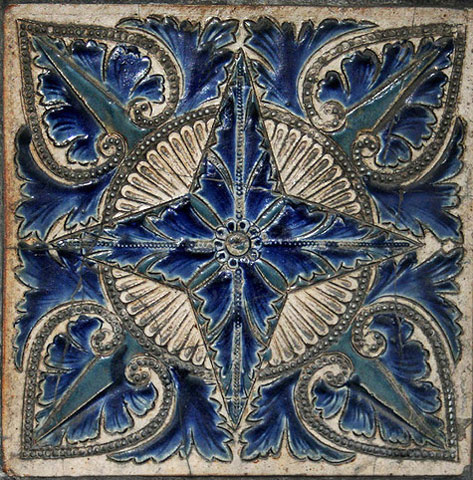
A tile from 23 Black Prince Rd. London, where Royal Doulton’s offices were originally located.

Panel of Tiles cobalt blue – ( Brooklyn Museum )
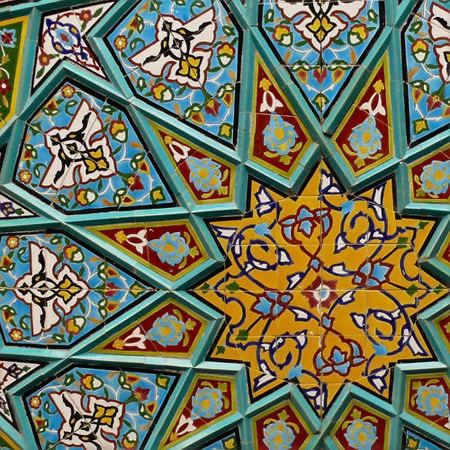
Persian ceramic tiles decorating the Shah Sheragh Shrine at Shiraz, Fars province, Iran. Image Courtesy – dynamosquito / Flickr
- Copper giving turquoise blue (but overfired can go green or even brown)
- Cobalt, used in conjunction with magnesia, can give pinks and purples
- Iron giving blue
The Dutch arrival on the scene in the 17th century was very important to the development in the European tile production. It came about when the Dutch East India Company began importing Chinese blue and white porcelain ware into Holland, which became very popular, so they set up a factory to try to imitate the Chinese porcelain, but their efforts failed. However, they were able to arrive at a very high quality earthenware, which became known as delft blue. Eventually an international market was developed and delftware was exported throughout the world.
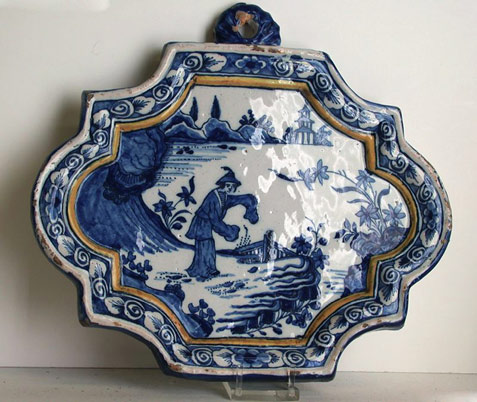
Dutch Delft Blue Tile – 1730
The Spanish and Italian Majolica tradition, (mainly used as floor tiles until its durability began to be questioned, was then applied to the walls instead) and the Dutch delft tiles, all have a very important place in the history of European tile production. Britain’s arrival on the tile production scene was comparatively late. However, when they arrived they established factories in two English cities, York and Winchester, where they began to mass-produce ceramic tiles, which brought about a reduction in price, making it more widely available and affordable.
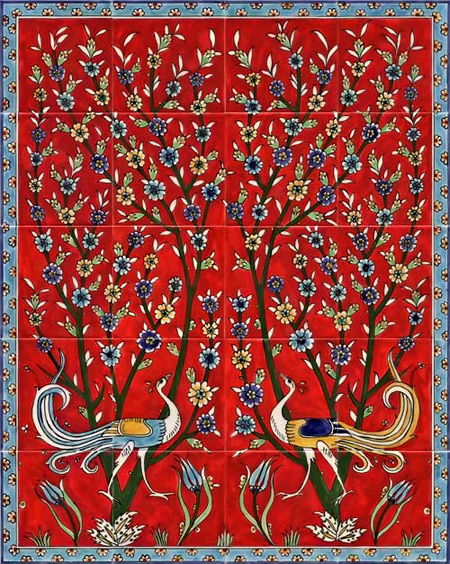
Peacocks splash tiles
Handmade tile art can be truly timeless and contribute to exceptional interior design elements. Some tiles themselves are free form – not square or rectangular as one would expect. Often the shapes are subtle representations of the subject itself. These works are tactile, one wants to touch them and feel their shapes and brilliant colors.
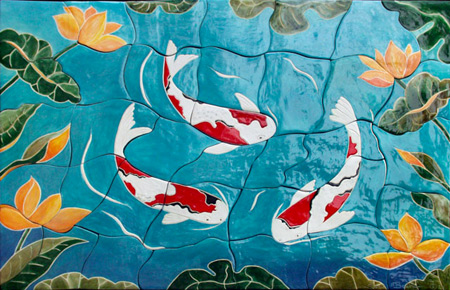 Koi Mural – Susan Beere
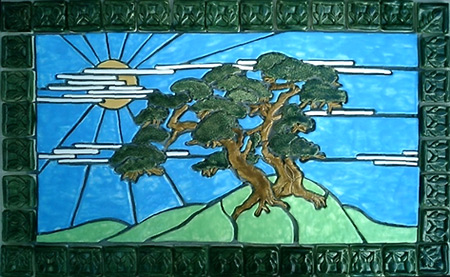 Trees in sun – Swanson Studios
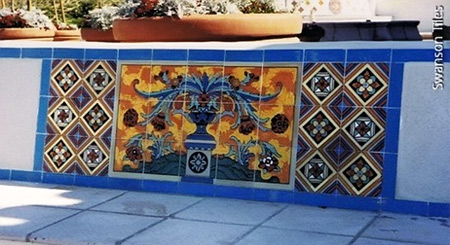
Outdoor tiled mural – Swanson Studio
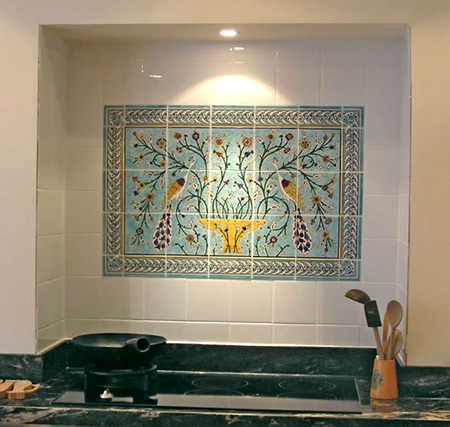 Backsplash tiles with symmetrical peacocks and botanical decoration
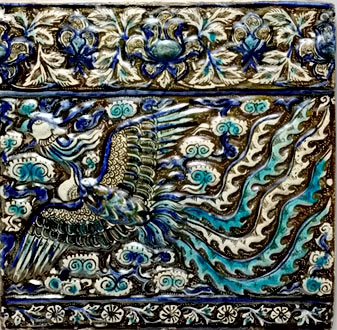
Frieze tile with phoenix, ca. 1270s
Iran
Fritware, overglaze luster-painted ( The Met )
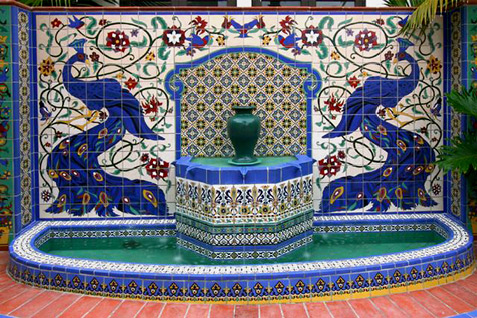
Twin peacock tile mural fountain
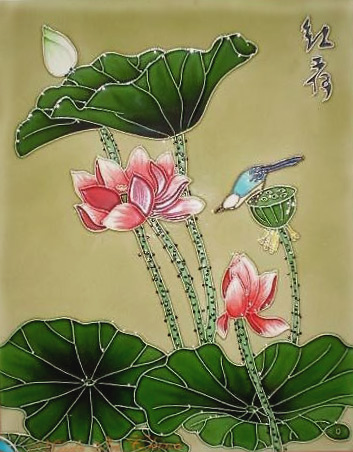 Chinese hand painted ceramic tiles
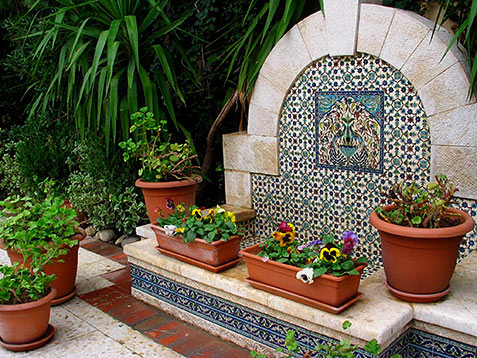
Armenian Ceramic Balian
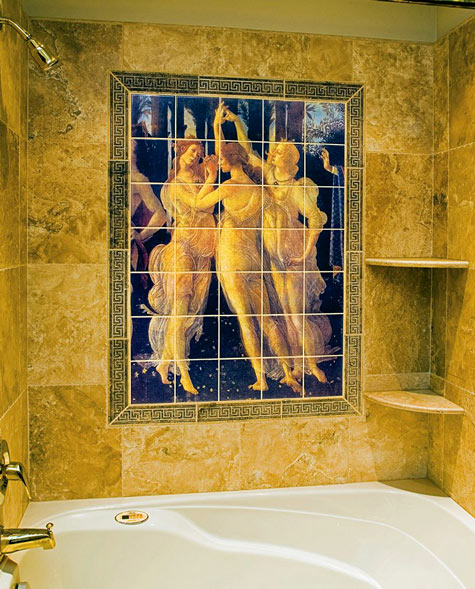
Armenian Ceramic Tile and Murals of Jerusalem – Balian
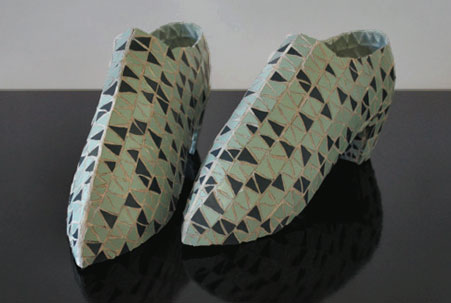
Martha Graham – ‘Lamentation’
” do anything you want but don’t step on my mosaic tiled shoes “
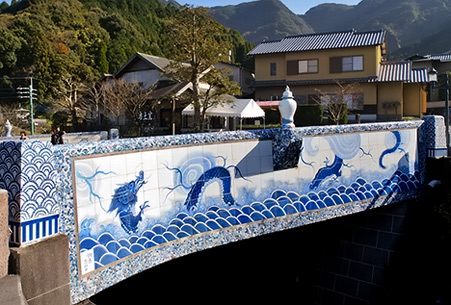 Porcelain tile bridge, Japan
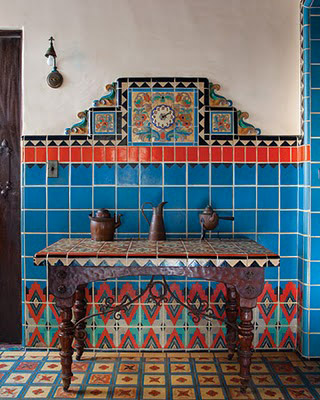
Pueblo Deco geometric patterns, and a ceramic clock in the kitchen, Adamson House, Malibu.
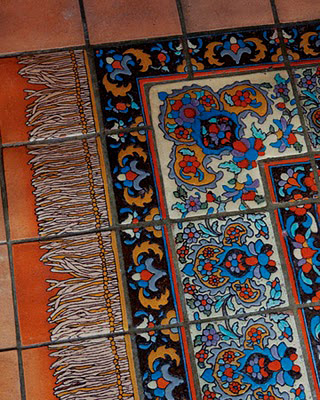
Persian style “ceramic tile” carpet . The elaborate pattern which uses more than 670 tiles was created using cuerda seca glazing.
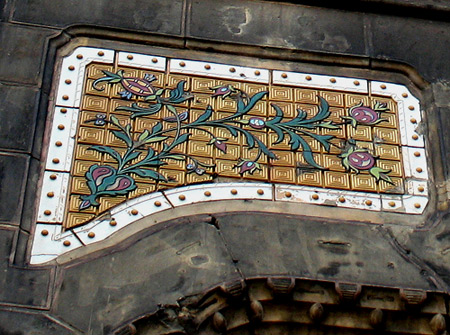
Zsolnay Ceramic Tiles, Hungry
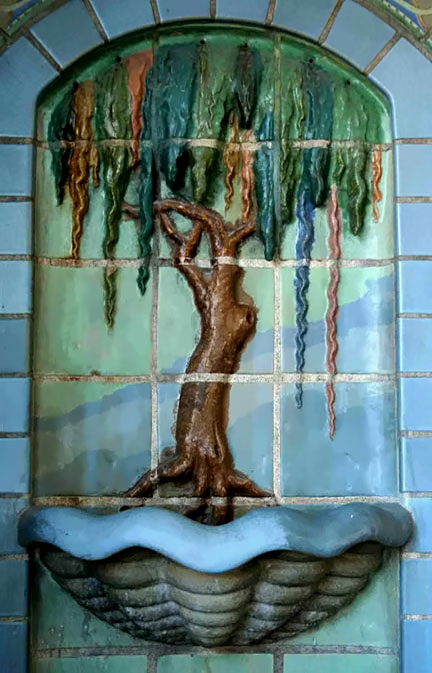
Wheatley Tile Co tiled wall
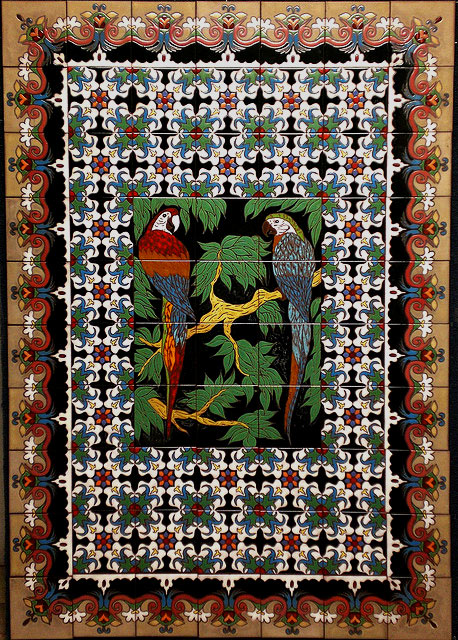 Jungle Parrots – Malibu Tiles
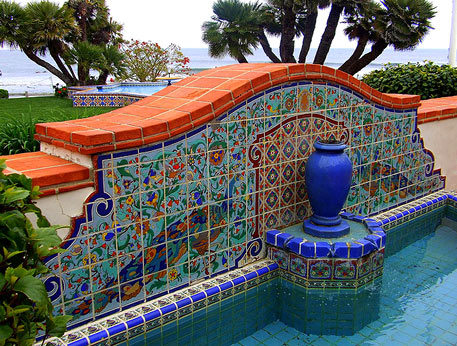 Tiles from Malibu Potteries, 1932 ( Adamson House )
Tile Artistry Flickr

Public tiled mural of two dragons
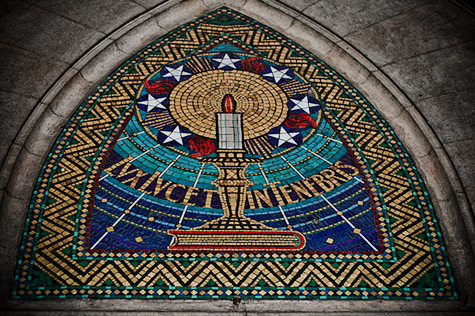
Tiled mosaic in a church arch

Ceramic Tiled Wood Fired Heater
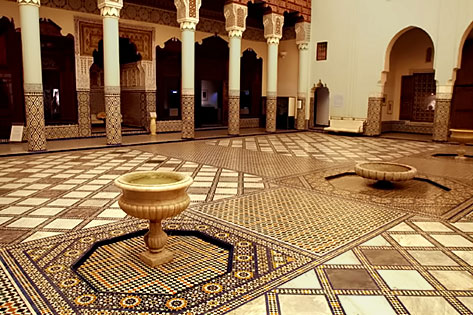
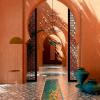
Tiled courtyard – Marrakech, Morocco
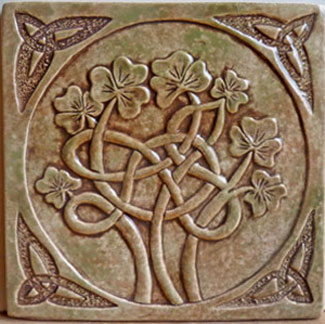
Shamrock – Earthsong Tiles
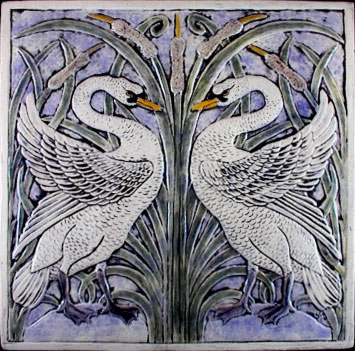
Swans – Earthsong Tiles
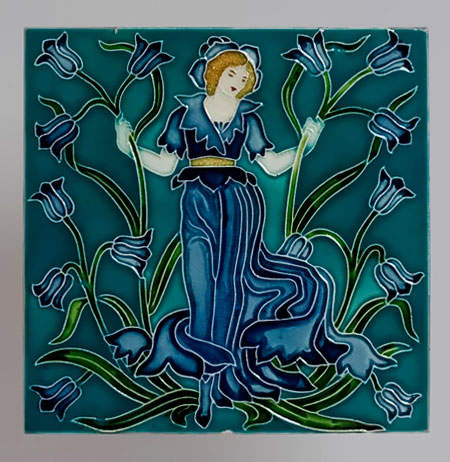
Walter Crane
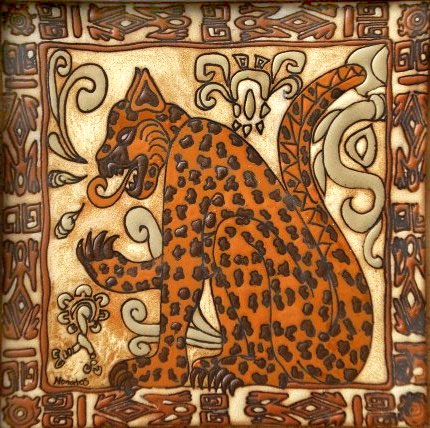
Aztec Cougar tile
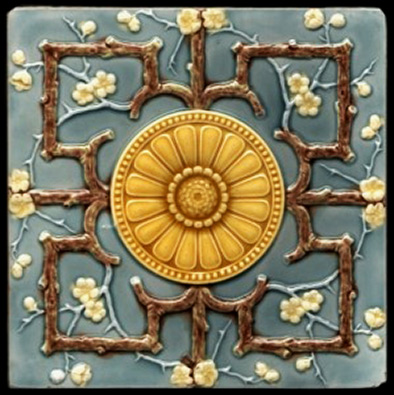
French Japonisme ceramic tile
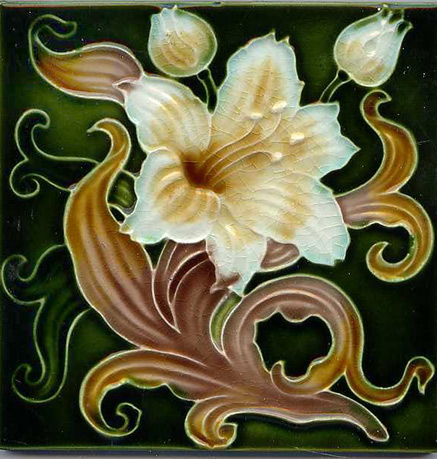
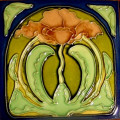
English Art Nouveau Hibiscus Majolica –1890-to-1910

Noble King Fisher -Micheal Menashy
Benaya Art Ceramics
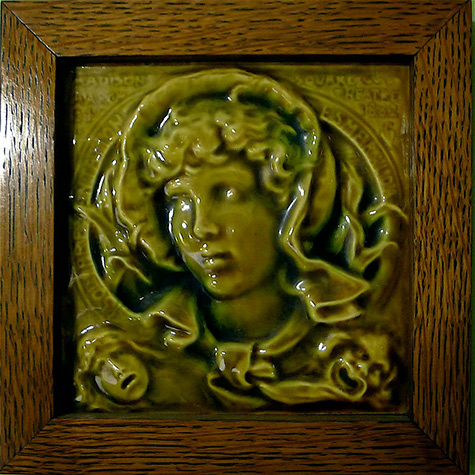
Elihu Vedder-Esmeralda tile produced by Low – 1882
( http://tilesinnewyork.blogspot.com.au/ )
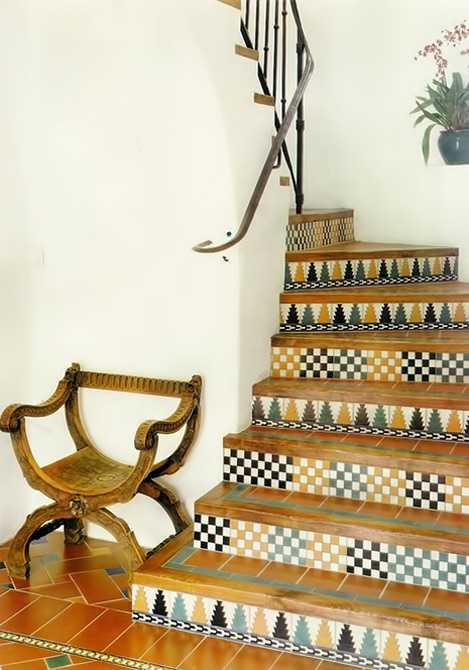
Moroccan Art Deco tiles by Ceramic-Concepts
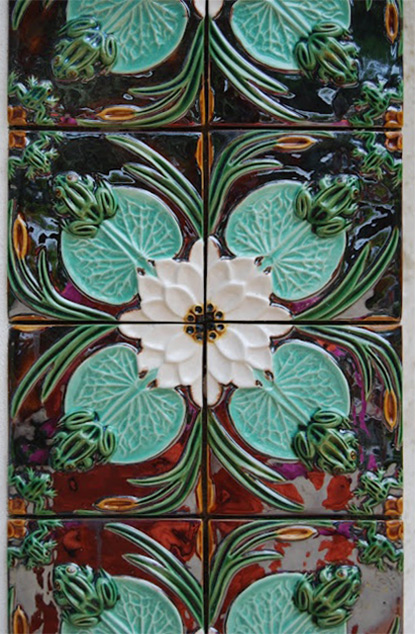
Portuguese tiles by Bordalo Pinheiro
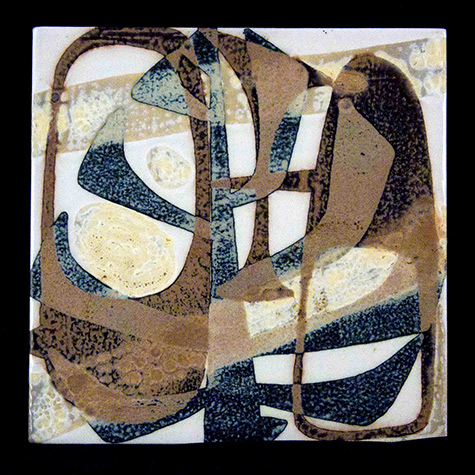
Thorsson Royal Copenhagen Abstract Tile
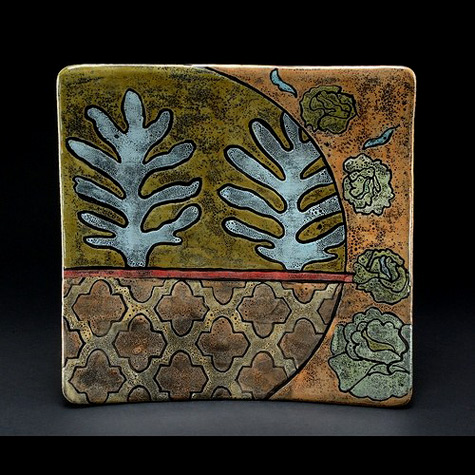
Ceramic art tile – Susannah Lints, USA
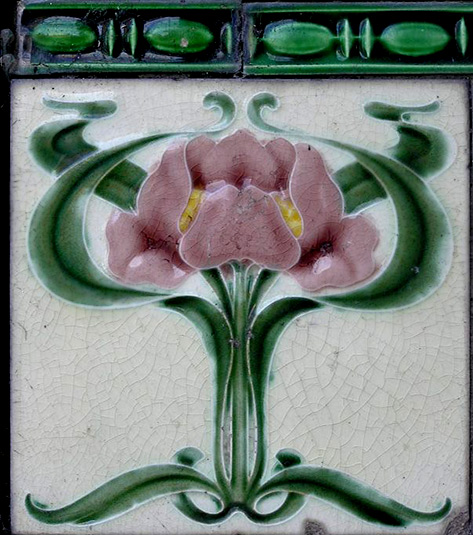
French Art Nouveau Ceramic Tile
A tile from the Qajar dynasty of the late Persian Empire
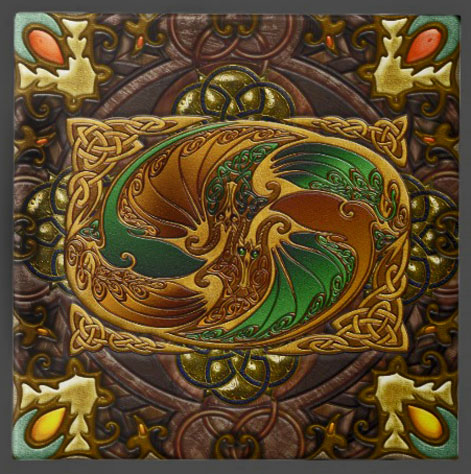
Two Celtic dragons ceramic tile – Joseph Maas
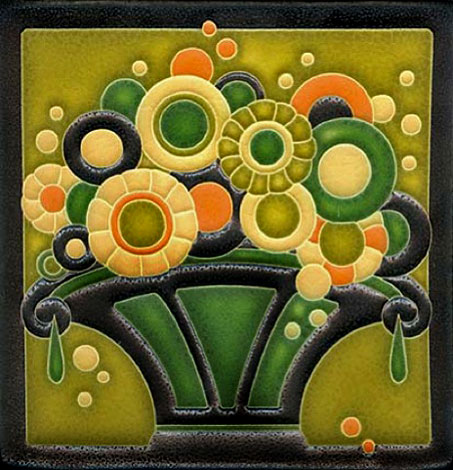
‘Button Basket Tangerine’ – Motawi Tiles
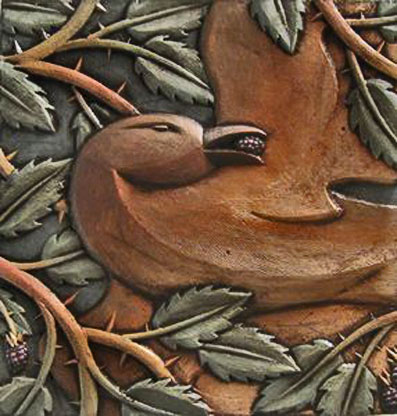
‘Bird in Thorns’ by Steve Gardner
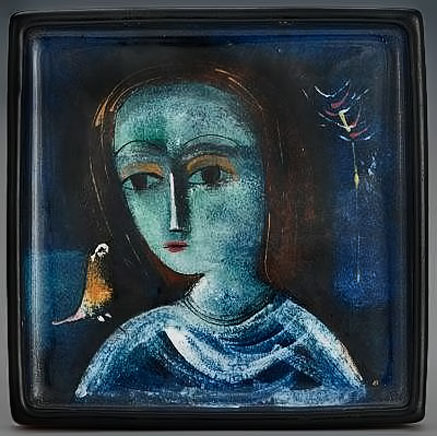
Polia Pillin
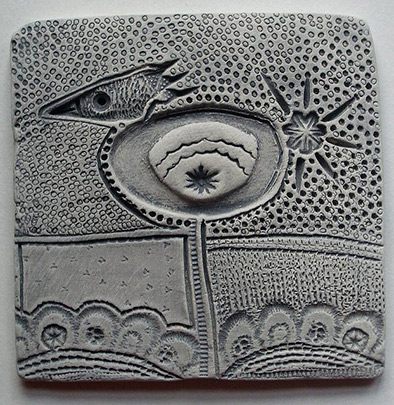
Abstract bird clay tile by Heidi Soos — Highland Fairy on Flickr
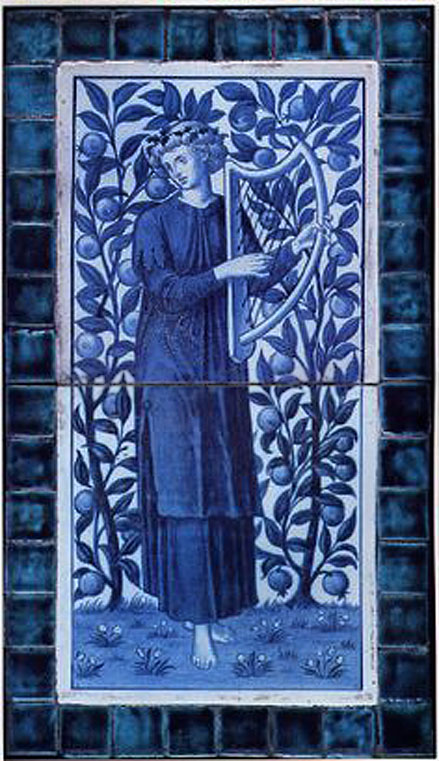
Minstrel Playing harp – Morris and Company
1872-1874
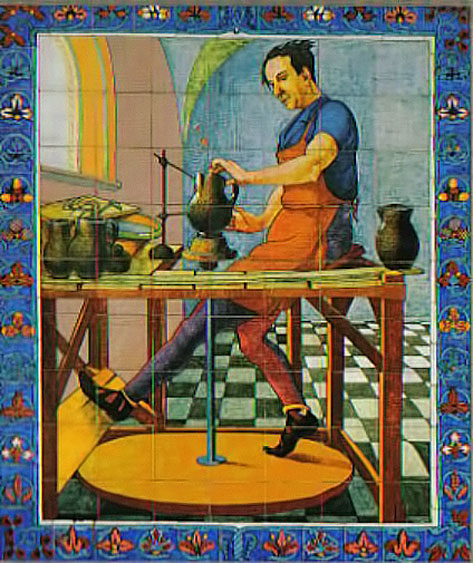
Ceramic tiled panel – Tiled and painted by Domenico Liverani Giannetto Malmerendi




































3 Comments
wow .. its amazing
Indeed many amazing creations in ceramics as all that has been shown in the image above
The collective designs have a unique and beautiful detail of there own. They are amazing.
One Trackback
[…] of archers,glazed tiles,H:200 cm Detail of two life-size archers (515 BCE) from the palace of Dareios the Great (522-486 […]