
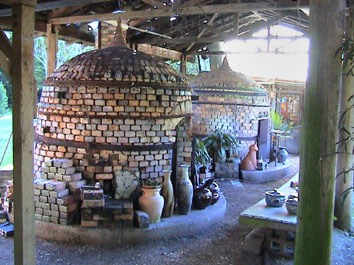
The region of Shigaraki in Japan has been producing wood fired pottery since the 12th century. Shigaraki is an old pottery center in the mountains, which produces an excellent clay with relatively low iron content. Pottery here is fired in an Anagama, the translation meaning “cave kiln” ( the oldest type of kiln in Japan ). This can take from between a few days up to several weeks to create natural ash deposits on the pottery. The pottery is exposed directly to the smoke from the fire at temperatures up to 2500F and the fly ash, volatile salts and clay metamorphize to create an ash glaze. In medieval Japan Anagama furnaces were built on slopes to achieve better thermal properties from the terrestial insulation, the kilns literally dug into the clay as caves. Traditionally the pieces were stacked on shelves built into the walls of the kiln.
The Niho kougei-kai group based here (a group of traditional craftsmen ) strive to maintain the traditional techniques and a sense of Japanese beauty while maintaining the functionality of the pottery. This firing technique is similar to Raku in that no two firings deliver the same result leading to surprising effects. Wood firing kilns create colors and effects that no other firing technique can produce. Below are some examples of this Anagama created by Shiho Kanzaki. Shiho always uses a 10 day wood firing.
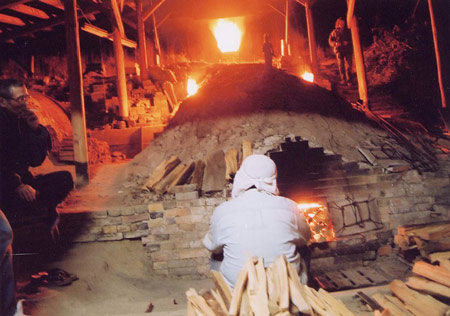
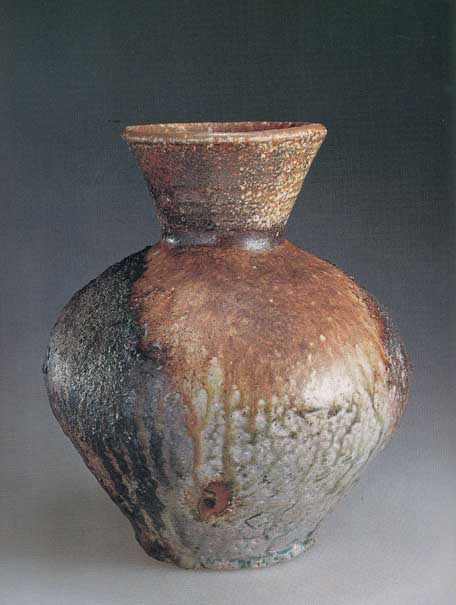
The local sandy clay that originates from the bed of Lake Biwa helps to give the pots their warm orange colour and makes them extremely durable. Their irregular shape probably originates in Sue wares and their decoration relies alot on the firing process. The firing technique allows air admission into the kiln and this leads to iron oxides within the clay to form a significant part of the colouring process. The free movement of air results from the anagama (or cave) kilns that are used. They are typically constructed on the side of hills and their single chamber has a sloping tunnel shape. Wood must be constantly added to achieve the high temperature required and this also adds minerals that give the wares their typical richness of surface

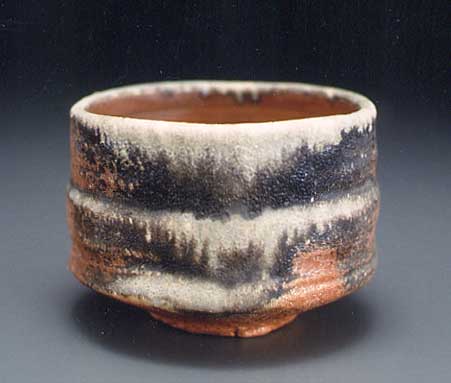
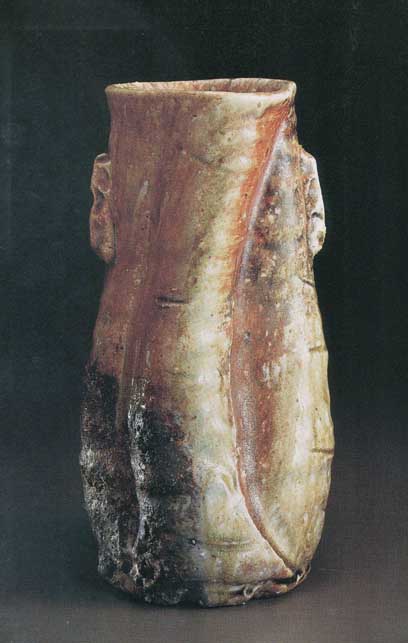
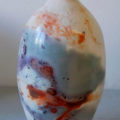
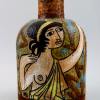
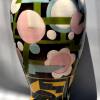
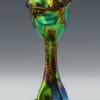
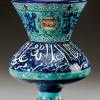
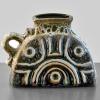
Shigaraki Vase
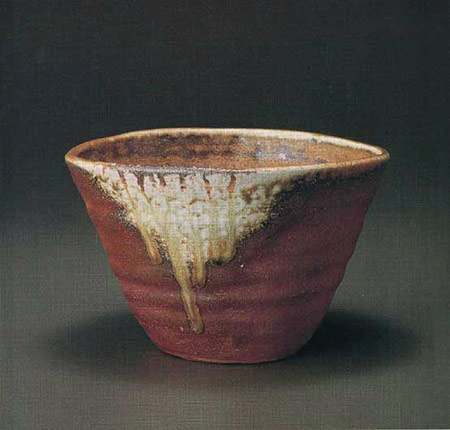
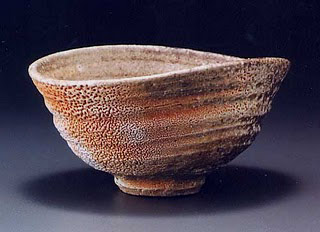
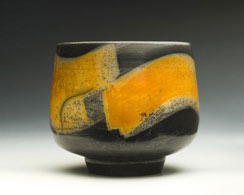
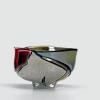
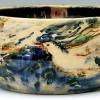
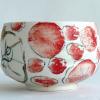
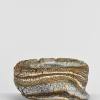
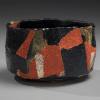
Chawan Shiho Kanzaki
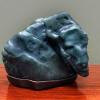
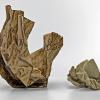
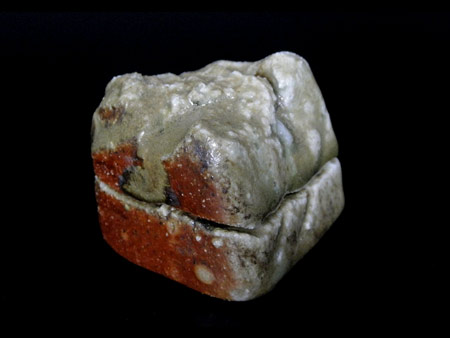 Here is a wonderfully fired and mountain form Shigaraki kogo-incense case by the world-renowned Kanzaki Shiho. The natural ash glazing is deep and rich and the form is as of it was simply dug out from the ground; both born only from a true master.
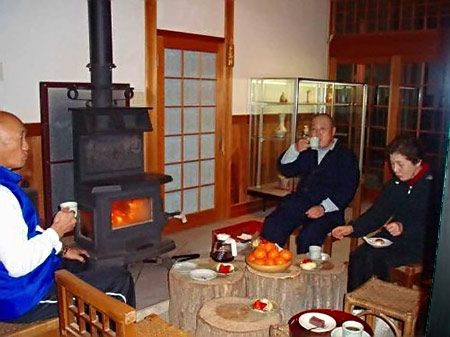 Studio tea break- Shiho, wife and friend.
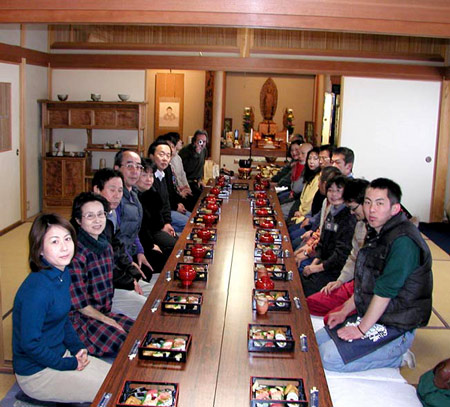 Lunch-break unloading day.
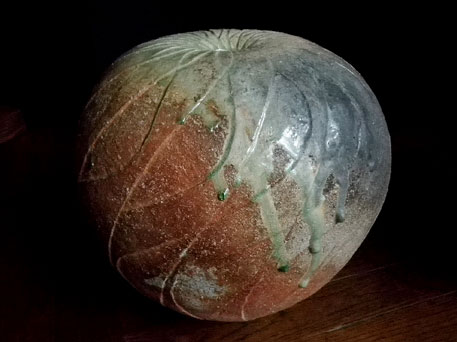
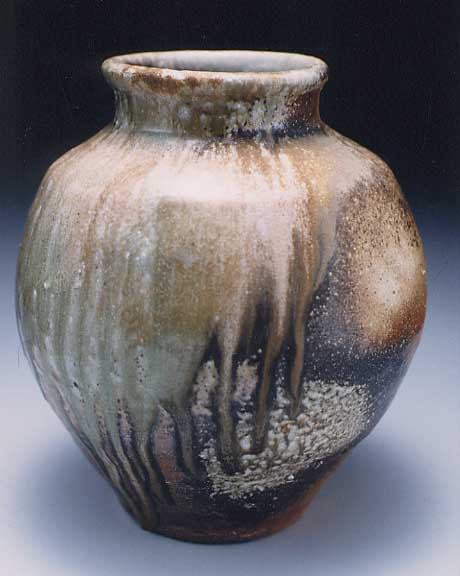
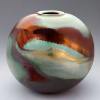
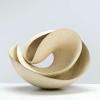
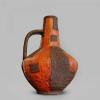
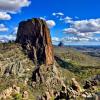
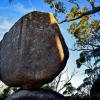
Shigaraki Tsubo-Jar by Kato Takahiko
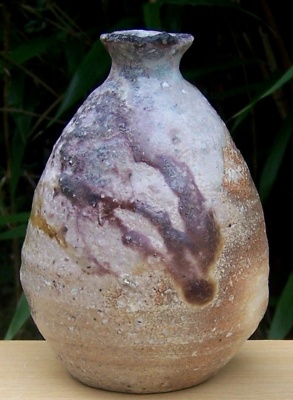
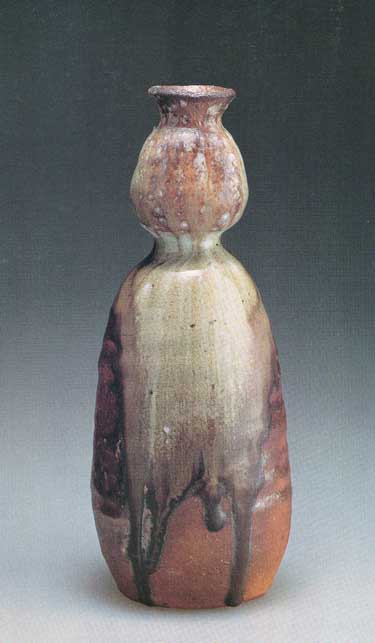
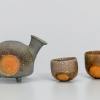
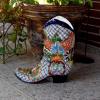
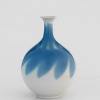
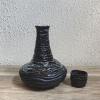
Shigaraki Tokkuri ( Saki Bottle ) – Kato Hajimu
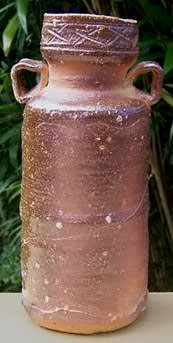
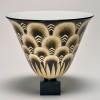
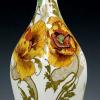
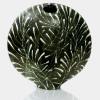
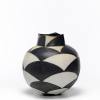
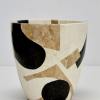
Shigaraki Anagama Vase – Okuda Eizan
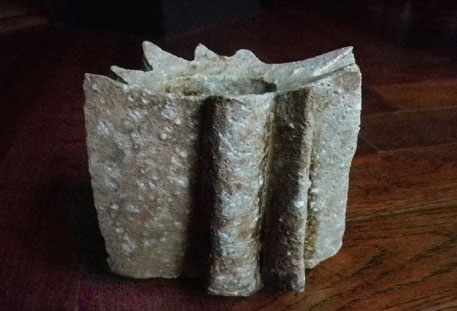
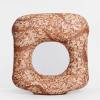
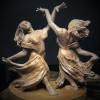
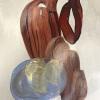
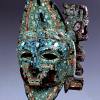
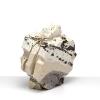
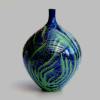
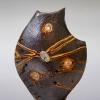
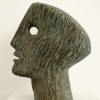
Shigaraki Sculpture-Vase by Kohyama Yasuhisa ( 75YO )
( Robert Yellin Gallery )
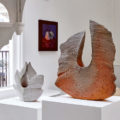


















2 Comments
This is a fantastic web site, might you be interested in doing an interview about just how you designed it? If so e-mail me!
Fascinated by the Shigaraki pottery and wood fired kilns. Thank you. I would love to build a cave kiln my self but maybe a little late for me, I’m 76. I am very fortunate to have found a beautiful kame jar with a pinkish stoneware body and lots of yellow glaze with olive green trails meandering from top to bottom. It’s unmistakeable as Shigaraki with it’s surface bumped with quartz and or feldspar. It’s quite thick walked and heavy. It’s a moving piece.
It stirred me to investigate it’s origin and led me here. Thank you for adding to the knowledge I am gaining which further adds for the respect I have for the art and effort that created such beauty. I’d gladly share a photo of the piece. Believe it’s a possible renewal piece, it looks fresh, but unsigned. Be great to know who the creator was.